Choosing the right wood treatment for outdoor use involves balancing protection against moisture, UV exposure, and pests with ease of application and environmental impact. This guide reviews top options that are well-suited for decks, fences, furniture, and structural wood outdoors. Each product is evaluated on penetration, durability, and finish quality to help you select the best fit for your project.
| Product | Brand | Primary Benefit | Best For |
|---|---|---|---|
| Valhalla Wood Preservatives | VALHALLA WOOD PRESERVATIVES | Non-toxic, lifetime treatment that permanently modifies wood structure | Marinas, houses, decking |
| Howard SunShield Beeswax Furniture Polish | HOWARD | UV protection with natural waxes for outdoor furniture | Outdoor wood furniture |
| PenaShield Preservative | Nisus | Deep penetration with termiticidal and fungicidal protection | Decks, attics, wood projects |
| Hope’s Tung Oil | HOPE’S | Natural oil finish that penetrates and protects | Indoor/Outdoor projects requiring a natural finish |
| Eco Wood Treatment EWT5 | Eco Wood Treatment | No-maintenance, organic wood stain that lasts | Outdoor wood exteriors |
Valhalla Wood Preservatives: Lifetime Non-Toxic Treatment
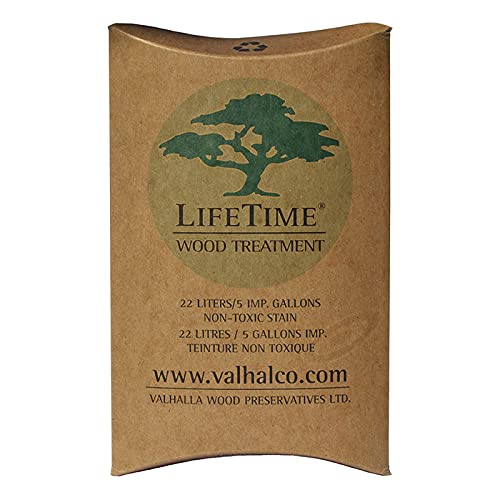
Valhalla Wood Preservatives offer a lifetime, non-toxic wood treatment designed to permanently modify wood fibers. This solution is particularly noted for use in marine environments, houses, and decking, where long-lasting protection is critical. The product’s natural substances claim to penetrate deeply into wood fibers, creating a durable, invasive defense against moisture ingress and decay. This makes it suitable for exterior structures exposed to harsh weather and potential moisture migration. The non-toxic profile also supports safer handling around living spaces and pets.
In performance terms, the treatment aims to alter the wood’s internal structure to resist rot and deteriorating moisture. For those seeking a one-and-done solution, this option prioritizes longevity and minimal maintenance. Application guidance typically emphasizes thorough surface prep and consistent coverage to ensure penetration depth and uniform color retention. While some users might expect staining or sealing options elsewhere, Valhalla’s emphasis remains on permanent structural modification and reduced reapplication frequency.
Howard SunShield Beeswax Furniture Polish

Howard SunShield Beeswax Furniture Polish combines UV inhibitors with carnauba wax, beeswax, and orange oil to protect outdoor wood finishes from sun exposure, temperature swings, and moisture. This product is designed to prevent further drying and fading, helping maintain the depth and beauty of the wood grain. While it provides a protective layer, it also enhances color and texture, yielding a richer appearance for outdoor furniture and decorative pieces. The wax-based formula tends to leave a breathable finish that can be reapplied as needed.
For outdoor use, this polish serves as a maintenance step that complements sealants or stains rather than replacing them. It is best applied to clean, dry wood, with attention to wiping away excess to prevent a sticky residue in hot weather. The emphasis on UV protection makes it a practical option for decks, patios, and outdoor furniture subjected to sun and humidity throughout the year.
PenaShield Preservative: Deep Penetration and Pest Protection

PenaShield is a penetrating wood preservative with a borate-based solution designed to protect against termites, carpenter ants, wood-boring beetles, and decay fungi. The ready-to-use formula supports easy application via spray or brush directly onto untreated wood surfaces, including decks and attics. A key advantage is deep penetration, which provides long-lasting indoor and outdoor protection without discoloration or staining once dry. This makes PenaShield suitable for projects where a natural wood appearance is preferred but pests pose a risk.
Users should plan for proper ventilation during application and ensure treated wood cures fully before final finishing. Because it dries without leaving visible residue, it provides a convenient pathway to paint, stain, or seal after treatment. Its one-gallon size offers broad coverage for mid-sized projects and can be a cost-effective solution for frequent outdoor wood maintenance tasks.
ChemWorld Outdoor Wood Boiler Treatment

ChemWorld Outdoor Wood Boiler Chemical Treatment is designed to inhibit boiler rust and protect outdoor boiler systems. While its primary application is in boilers and closed-loop systems, the treatment helps manage corrosion and extend the life of outdoor mechanical wood-burning equipment. It is particularly suited for installations where metal components are exposed to water and heat cycles. This option is not a traditional wood finish but addresses a crucial longevity concern for outdoor heating setups and exposed plumbing in outdoor structures.
Pros include rust prevention and compatibility with typical outdoor boiler configurations. Potential considerations are ensuring correct dosing and compatibility with existing coatings on adjacent wood surfaces to avoid unintended chemical interactions. For homeowners managing exterior heating equipment, this product provides a targeted protective measure beyond surface finishes.
Hope’s Tung Oil: Natural Wood Finish and Sealer

Hope’s 100% Pure Tung Oil offers a premium, food-safe wood finish that penetrates deeply into the wood fibers to create a flexible, non-film protective layer. This natural oil finish is particularly favored for outdoor and indoor projects where a hand-rubbed appearance is desirable. Tung oil is known for its durability against moisture and everyday wear, with long-lasting protection that outperforms simple mineral oil or wax in many scenarios. The oil penetrates rather than simply coating the surface, helping sustain the wood’s natural look.
Application involves wiping on the oil and allowing it to cure at room temperature. For outdoor use, regular reapplication or maintenance may be required to maintain appearance and moisture resistance, especially in harsh climates. Tung oil is valued for its warm, natural finish and compatibility with a variety of wood species, making it a versatile choice for outdoor furniture, doors, and trim near exterior spaces.
Eco Wood Treatment EWT5: No-Maintenance Outdoor Stain
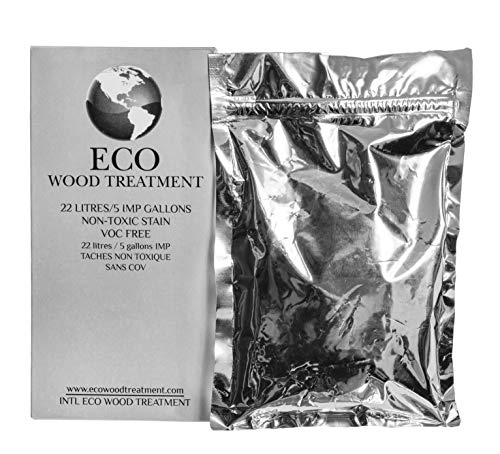
Eco Wood Treatment EWT5 is marketed as a no-maintenance wood stain that provides a long-lasting, semi-transparent finish with a silvery patina. The formula is described as organic, made from 100% mineral-derived substances, with no solvents or harmful residues. The treatment migrates and covers wood as cracking occurs, helping to preserve the wood’s natural beauty while delivering consistent color and protection against weathering. A notable claim is that a single application can reduce the need for ongoing staining, offering a cost-effective maintenance approach over time.
Considerations for selecting Eco Wood Treatment include climate compatibility (as with any exterior finish), the desired aesthetic (semi-transparent with a silvery tone), and environmental considerations. While maintenance needs may be reduced, periodic checks for wear or uneven fading are still prudent, particularly on high-traffic or exposure-prone surfaces such as decks and fences.
Smart BioHemp Plant-Powered Protectant

Smart BioHemp Plant-Powered Protectant is a plant-powered treatment designed to protect outdoor and indoor wood from water and UV damage. It emphasizes USDA bio-preferred status and university-tested performance, offering a durable barrier against moisture and environmental wear. The product’s patented and tested technology aims to deliver long-lasting protection with a focus on sustainability and eco-friendliness. Coverage estimates indicate suitability for a range of outdoor furniture, decking, and marine-grade applications, depending on surface porosity and application method.
Key considerations when evaluating this option include the availability of documentation on performance tests, the specific wood species, and the expected maintenance cycle in your regional climate. The plant-powered formulation can be appealing to environmentally conscious homeowners seeking an effective outdoor treatment without synthetic-heavy formulations.
Buying Guide: Key Purchase Considerations for Outdoor Wood Treatments
- Purpose and environment: Determine whether you need long-term structural protection, UV shielding for aesthetic reasons, or pest resistance. Outdoor settings (decks, fences, marine installations) demand deeper penetration and moisture defense.
- Penetration vs. film-forming finishes: Treatments that penetrate wood fibers help preserve natural color and reduce surface cracking, while films can provide a robust surface seal but may peel over time with wood movement.
- Safety and toxicity: If you have children, pets, or nearby living spaces, prioritize low-toxicity or non-toxic formulations. Some borate-based products offer pest protection with careful handling.
- Maintenance cycle: Some products promise long intervals between reapplication, whereas others require regular maintenance. Consider your willingness to recoat or reapply and the associated labor.
- Finish aesthetics: Semi-transparent versus clear finishes affect the wood’s natural look. Aesthetics should align with your project goals, whether preserving grain visibility or achieving a uniform color.
- Compatibility with existing finishes: When applying over previously finished wood, ensure compatibility to avoid issues like poor adhesion or discoloration.
- Environmental considerations: Organic and mineral-based products reduce chemical runoff and residue. Look for certifications or documentation supporting eco-friendly claims.
- Application method and climate: Some products are spray-ready, others brush-on. Weather conditions during application (temperature, humidity) influence cure times and final results.
- Wood type and condition: Softer woods may absorb treatments faster, while pressure-treated or resinous woods may require specific products designed for those substrates.
- Cost vs. coverage: Compare coverage rates per gallon and expected maintenance intervals to estimate total cost of ownership over the life of the project.