Gardening success often starts with a simple tool: weed barrier fabric. The right weed matting can block unwanted growth, improve soil moisture retention, and reduce maintenance across flower beds, veggie patches, and pathways. This guide highlights five durable options, detailing design features, permeability, and installation tips to help American gardeners choose the best fit for their space and climate.
Summary of Selected Products
| Product | Brand | Key Benefit | Size |
|---|---|---|---|
| LGJIAOJIAO 3ft x 50ft Weed Barrier | LGJIAOJIAO | Premium weed barrier with high tear resistance; supports water and nutrients flow | 3 ft x 50 ft |
| LAVEVE 4ft x 100ft Weed Barrier Landscape Fabric | LAVEVE | High-density, permeable and easy to cut with clear guides | 4 ft x 100 ft |
| Happybuy 6.5ft x 300ft Weed Barrier | Happybuy | Very long roll for large beds; excellent permeability and soil protection | 6.5 ft x 300 ft |
| Pattiumo 3x300ft Weed Barrier | Pattiumo | Dense cross-woven polypropylene; strong yet breathable | 3 ft x 300 ft |
| GDNaid 4ft x 100ft Weed Barrier | GDNaid | Durable and water/nutrient permeable; keeps landscape tidy | 4 ft x 100 ft |
LGJIAOJIAO 3ftx50ft Weed Barrier Landscape Fabric
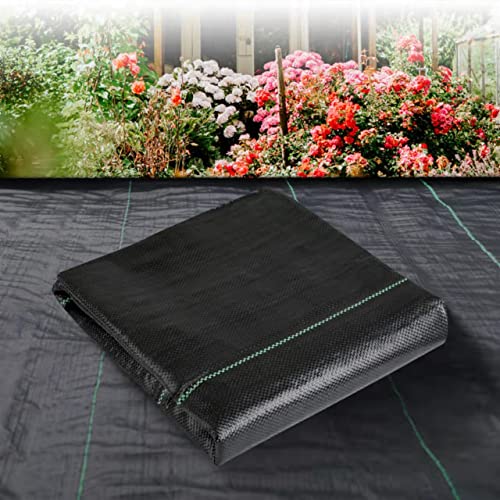
Overview: LGJIAOJIAO’s 3×50-foot heavy-duty weed barrier is a woven geotextile fabric designed to suppress weeds while allowing essential water and nutrient flow. Its 3.2 oz weight indicates durability for areas with foot or light vehicle traffic. The fabric uses polypropylene, a material known for weather resistance and longevity, making it suitable for long-term garden beds or under pathways. Users can expect strong weed suppression without fully sealing the soil, maintaining soil health and moisture balance.
Key Features: The material emphasizes high tensile strength and tear resistance, enabling robust performance through different seasons and weather conditions. It’s designed to block weed growth effectively while ensuring water penetration and root-zone aeration. This balance helps plants thrive when used as underlayment for mulched areas or base layers in garden renovations. Installation is straightforward, with standard rolls that can be cut to fit irregular bed shapes.
Performance notes: The fabric’s permeability supports moisture and nutrient movement into the soil, which helps prevent drought stress in hot climates. For heavy-duty settings, such as driveways or high-traffic borders, this product can provide reliable weed control without obstructing irrigation or rainfall.
LAVEVE 4FT x 100FT Weed Barrier Landscape Fabric

Overview: LAVEVE’s 4×100-foot weed barrier fabric uses a dense, woven polypropylene construction that emphasizes high permeability and UV resistance. The cross-weave design supports airflow while blocking weed sprouts, helping soil remain healthier and less prone to erosion. The fabric is designed to be cut easily with common tools and laid out with adjustable edges to match irregular garden shapes. A green guideline pattern assists with precise installation for rows and bed borders.
Key Features: Permeability is a core attribute—air and water pass through to the soil, reducing surface pooling and promoting healthy root zones. The material is robust enough for garden beds, walkways, or under gravel accents where weed growth is a concern. Compatibility with pegs or stakes ensures secure placement during wind events or heavy rainfall.
Installation tips: Use household scissors or a craft knife to tailor the fabric. Align walls, curves, and bed borders along the grid lines for a neat finish. Secure with U-shaped pegs to prevent shifting, particularly in windy locations or on slopes.
Happybuy 6.5Ft x 300Ft Premium Weed Barrier

Overview: Happybuy offers a long 6.5-foot by 300-foot roll of 3 oz landscape fabric, designed to cover large garden beds and driveways. The width and length make it a practical choice for expansive landscapes or community garden plots. Its construction emphasizes tear resistance to endure heavy foot traffic and occasional vehicle exposure in driveways or utilitarian spaces.
Key Features: High permeability reduces surface runoff and puddling while still inhibiting weed growth. The fabric’s black color provides effective shading to suppress weed emergence, and the material remains stable under various weather conditions. The 3 oz weight balances durability with flexibility for easier handling and installation.
Usage notes: Ideal for perimeters, raised beds, and long border lines. It can be paired with mulch or gravel to create clean, defined landscaping edges while maintaining soil moisture for desirable plant health.
Pattiumo Weed Barrier Fabric 3x300FT

Overview: Pattiumo provides a 3×300-foot landscape fabric with a 3.2 oz weight, built to withstand heavy foot traffic and vehicle exposure. The cross-woven dual-layer polypropylene construction yields an opaque barrier that blocks light to suppress weed germination while allowing air and water penetration.
Key Features: The fabric’s dual-layer design enhances durability, reducing the risk of tears during installation or heavy use. It’s designed to be cut to fit irregular shapes and covered with mulch or soil for lasting weed control. The material’s opacity contributes to effective weed suppression across extended bed areas.
Practical considerations: For large beds or commercial landscaping projects, Pattiumo offers a cost-effective solution that minimizes weed growth and supports long-term soil health. As with other fabrics, correct anchoring and overlapping seams improve overall effectiveness.
GDNaid 4ft x 100ft Weed Barrier

Overview: GDNaid’s 4×100-foot fabric emphasizes durability with a 3.2 oz construction, designed for long-term ground coverage in gardens and landscapes. The fabric’s heavy-duty weave resists tearing even under foot traffic or equipment exposure, making it suitable for larger plots or pathways.
Key Features: The product maintains soil health by allowing water and nutrients to permeate while still suppressing weed growth. Its sturdy polypropylene composition is designed for longevity, providing a stable base for mulch and planting beds. Installation is straightforward and adaptable to various bed shapes and sizes.
Buying Guide: Key Purchase Considerations
Weed barrier fabrics come in a range of weights, densities, and permeability levels. When choosing the right matting for a garden, consider these factors:
- Weed suppression vs. porosity: Higher weight fabrics (3.2 oz) typically offer stronger weed suppression and durability but may reduce soil aeration if overly dense. Look for a balance that suits the local climate and irrigation plan.
- Permeability and drainage: The ability of the fabric to allow water, air, and nutrients to reach roots is essential for healthy plants. Permeable designs help prevent soil compaction and erosion.
- Durability and traffic: For driveways or high-traffic beds, choose heavier, tear-resistant fabrics that stand up to foot and occasional vehicle use. For ornamental gardens, lighter options can suffice.
- Ease of installation: Clear guidelines, pre-scored cutting lines, and green guide marks minimize installation time and waste. Consider rolls that are easy to cut to fit curved or irregular beds.
- Installation accessories: Studs, stakes, and clips help secure the fabric in place against wind and weather. Some bundles include stakes, which can reduce overall project cost.
- Sizing and coverage area: Larger rolls reduce seams and gaps, but ensure the fabric can be transported and handled easily in your space. Plan for overlaps and edge sealing to maximize weed control.
- Environmental impact: Look for UV resistance and long-term durability to minimize replacement frequency. Recyclability and chemical safety are additional considerations for edible gardens.
Practical guidance: For vegetable beds, place the fabric with the black side down in most cases, then cover with mulch or decorative stones to improve aesthetics and promote soil moisture retention. Overlap seams by several inches and secure with stakes along the edges to prevent migration during rain or wind. In areas with heavy rainfall, ensure the fabric is not trapping water on the soil surface by providing adequate slope and drainage channels.
Additional considerations: If you plan to install irrigation lines, choose a permeable fabric that allows driplines to function without blockage. For ornamental displays, prioritize fabrics with clean edges and easy-to-cut lines for precise alignment with garden contours. Regular inspection and reseeding may be needed in areas with persistent weed pressure or soil disturbances.