Windbreaks defend properties from harsh winds, reduce soil erosion, and improve microclimates for gardens and lawns. The following selections focus on rapid establishment, tall growth, and evergreen foliage to maintain year-round shelter. This guide highlights five suitable choices, spanning towering conifers to fast-growing willows, with practical notes on site needs, hardiness, and expected performance in typical American landscapes.
Summary at a glance: the table below lists five windbreak-ready options, including growth tendencies, typical spacing, and suitable planting zones. Use this as a quick reference when planning a hedge or shelter row around driveways, livestock yards, or open yards.
| Product | Brand | Key Benefit | Typical Use | Zones |
|---|---|---|---|---|
| 3 Giant Sequoia Live Starter Saplings | CitronellaKing | 6–8 | ||
| Premium Italian Cypress Seeds | Wily Fox | Zones with mild winters | ||
| Hybrid Willow Tree Cuttings | CZ Grain | Privacy screens, wind protection | Cool to temperate | |
| Green Wall Willow Cuttings (10) | CZ Grain | Natural borders, living fences | Zones with adequate moisture | |
| Austree Hybrid Willow Trees (100) | CZ Grain | Massive windbreaks, long driveways | Wide range depending on soil |
3 Giant Sequoia Trees in 2.5” Nursery Cubes for Windbreaks

CitronellaKing provides three Giant Sequoia live starter saplings (Sequoia gigantea) in compact 2.5-inch nursery cubes. These evergreens arrive fully rooted and ready to plant, making them suitable for large landscapes and windbreak arrangements. In cultivation, sequoias are generally cold-hardy in USDA Zones 6–8 and can mature to substantial heights with a broad trunk in favorable conditions. They prefer full sun and well-draining soil, with thick bark and dense foliage that helps dampen wind. While sequoias are iconic, they require space to reach their dramatic eventual size, making them ideal as a long-term focal element in expansive windbreaks or park-like settings.
Site planning should consider eventual mature height and width, with ample space between trees to prevent crowding. Early pruning or shaping can help guide a strong, straight growth pattern. This trio is best placed where the wind comes from a consistent direction, giving the trees time to establish strong root systems and anchor the windbreak over decades.
Premium Italian Cypress Seeds for Privacy Hedge

The Premium Italian Cypress Seeds by Wily Fox offer a classic tall, slender evergreen look that forms a distinct columnar silhouette. When grown as a privacy hedge or windbreak, these trees provide immediate structure along borders, driveways, and pathways. Starting from seed can take longer than planting established saplings, but the seeds are well-suited for outdoor cultivation in well-drained soils with full sun. Proper spacing is essential to ensure air circulation and healthy growth, reducing competition among nearby specimens. This choice is ideal for homeowners who want a traditional, elegant green barrier that ages gracefully and remains visually striking year after year.
Maintenance is straightforward: keep soils evenly moist during establishment, protect young plants from extreme early-season frosts, and consider occasional mulching to conserve moisture. The European cypress family tends to tolerate drought once established but appreciates consistent moisture during root development. Those planning long hedges should map planting intervals to achieve a dense screen within a few seasons while respecting eventual mature width.
Hybrid Willow Tree Cuttings – Fast Growing Privacy & Shade

These Hybrid Willow Cuttings by CZ Grain are marketed as fast-growing, easy-to-root living stakes designed for rapid privacy and shading. They are sold as live cuttings, selected for vigorous rooting and quick establishment. Gardeners often report visible growth and foliage within weeks when planted properly, making them a practical choice for urgent wind protection along fences, borders, or property lines. For best results, plant in well-drained soil with adequate moisture, and provide regular watering during the initial rooting period. Willows generally tolerate a range of soils, provided they stay moist, which supports rapid canopy formation in the windbreak role.
Because growth is robust, planning for eventual height and width is important to prevent encroachment on structures or neighboring zones. Routine monitoring for pest and disease pressure helps maintain canopy health as the plants mature. This option is particularly appealing for those who want fast results and the ability to scale a windbreak quickly across longer boundaries.
Green Wall Willow Privacy Tree Cuttings – 10 Pieces

The Green Wall Willow Cuttings deliver a rapid route to a dense privacy screen. This batch emphasizes a living wall effect, with slender willows that quickly fill in to create a barrier from wind, noise, and observers. Planting in 2–3 foot intervals along a line helps ensure strong root establishment and a continuous screen as the cuttings strike roots and sprout leaves. Willow cuttings are known for their robust growth in suitable moisture conditions, and their flexible wood often responds well to pruning and shaping for a tidier hedge profile. This option suits gardeners seeking a fast, scalable windbreak with natural aesthetics.
Maintenance involves consistent moisture during the rooting phase, occasional feeding, and pruning to encourage dense branching. Expect rapid fill-in over a single season, with continued improvement in density and height in subsequent years. This choice pairs well with other evergreen or semi-evergreen windbreaks to extend coverage through seasonal variability.
Austree Hybrid Willow Trees – 100 Live Plants
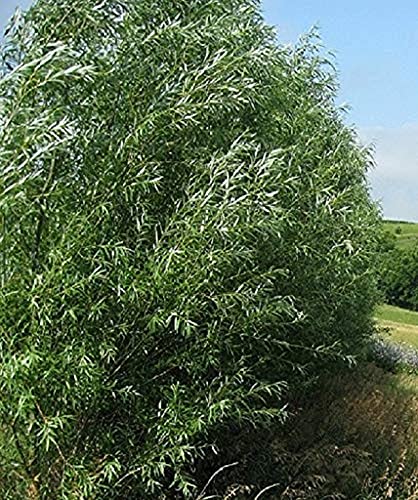
Austree Hybrid Willow Trees are presented in a bulk pack designed for rapid windbreak construction across longer boundaries. These trees are known for accelerated growth, often achieving substantial height within a few seasons, which translates into earlier wind protection and shading. The bundle format makes it feasible to line a driveway, fence line, or field edge with uniform, fast-growing individuals that can be thinned or shaped as needed. They adapt to a wide range of soils and climates when moisture is managed, enabling extensive windbreaks or privacy screens on larger properties or commercial landscapes.
Plant spacing is a critical consideration for maximizing wind reduction and ensuring uniform canopy development. Regular maintenance—mulching, irrigation during establishment, and selective pruning—helps sustain vigor and promotes strong structural form. The sheer number of trees supports flexible design, from dense screens to more open, wind-protective corridors along fields and yards.
Buying Guide: Key Purchase Considerations for Windbreaks
- Growth rate and mature size: Choose a mix of fast-growing species for rapid wind protection and slower-growing evergreen conifers for long-term stability. Consider space and anticipated utility length for your windbreak.
- Hardiness and climate fit: Verify USDA zones and microclimate compatibility. Zone 6–8 species like Giant Sequoia may require supplemental protection in harsher winters; willows generally prefer moist soils and temperate climates.
- Soil and moisture requirements: Willows tolerate moist soils and establish quickly with consistent moisture. Sequoias and Italian cypress prefer well-draining soils; ensure irrigation during establishment for all evergreen varieties.
- Planting density and layout: For a dense windbreak, plan staggered rows or multiple staggered lines with appropriate spacing. Taller, slender trees offer vertical wind shielding, while broader evergreens fill mid to lower canopy.
- Maintenance needs: Mulching and regular watering during establishment are essential. Pruning can shape growth, reduce competition, and maintain a healthy, uniform appearance over time.
- Longevity and aesthetics: Some species present dramatic, iconic forms that mature into striking focal points. Align plant choices with desired year-round aesthetics and landscape goals.
- Bulk vs. single plants: Bulk packs (like Austree willow or cane cuttings) support large-scale installations quickly, while starter saplings provide quicker establishment with more managed spacing.
- Source and provenance: Buy from reputable suppliers that guarantee live plants, provide care guidance, and offer post-purchase support for successful rooting and growth.
Windbreak design benefits from diversity. Combining a tall evergreen with fast-growing willows or Italian cypress can yield a layered barrier that protects vegetation, livestock, and property while delivering visual interest. Always tailor your planting plan to your site’s sun exposure, soil type, drainage, and maintenance capacity to maximize shelter and long-term performance.