Choosing the right topsoil is essential for growing a healthy and productive vegetable garden. Quality topsoil provides the perfect balance of moisture retention, nutrient content, and drainage to support root development and plant growth. Below is a summary table of the top-rated topsoil products selected to enhance your vegetable garden’s performance, suitable for both in-ground and container planting.
| Product | Brand | Features |
|---|---|---|
| Michigan Peat 40 Pound Garden Magic Organic Potting Top Soil | Michigan Peat | Drainage with moisture retention, reed sedge peat blend, ideal for indoor/outdoor gardening |
| Michigan Peat Company Baccto Top Soil for Lawns & Gardens | Michigan Peat | Premium peat and sand blend, loosens heavy soils, balanced moisture and microbe support |
| Espoma Organic Vegetable & Flower Garden Soil | Espoma | Organic with earthworm castings and MYCO-TONE mycorrhizae, ideal for transplanting |
| Wakefield Premium Biochar Blend Organic Potting Soil | Wakefield Biochar | Biochar enriched, humic acid, supports microbial health, great moisture control |
| Burpee Premium Organic Potting Natural Soil Mix | Burpee | Organic coconut coir blend, nutrient feeding for 3 months, moisture retention |
Michigan Peat Garden Magic Organic Potting Top Soil

This general purpose potting mix is designed for both indoor and outdoor planting, making it versatile for vegetable gardens. The blend includes reed sedge peat, perlite, and sand to ensure excess water drains properly while retaining essential moisture. Use it to loosen dense clay soils or build moisture retention in lighter soils. It can also fill voids in lawns and garden beds. This soil mix supports robust plant health and vibrant growth for gardeners at any experience level.
Michigan Peat Company Baccto Top Soil for Lawns and Gardens
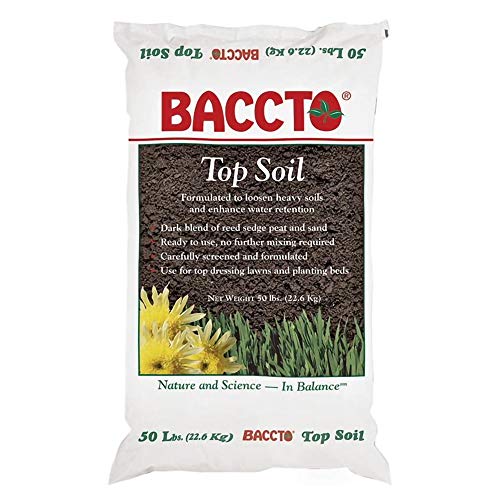
This topsoil is carefully crafted with a premium blend of reed, sedge, peat, and sand, ideal for planting beds, patching lawns, and transplanting shrubs or trees. Its formula maintains a balance of moisture, microbes, and nutrients crucial for lasting soil health. The finely screened texture loosens heavy soils effortlessly, improving aeration and root penetration, beneficial for vegetable gardens needing rich, well-structured soil.
Espoma Organic Vegetable & Flower Garden Soil

Espoma’s organic mix is enhanced with earthworm castings and a proprietary blend of endo and ecto mycorrhizae (MYCO-TONE), which fosters strong root systems and nutrient absorption. It’s formulated for use during planting or transplanting to improve native soil quality. This natural blend supports sustainable gardening practices and improves soil biodiversity, encouraging vibrant vegetable and flower growth in organic gardens.
Wakefield Premium Biochar Blend Organic Potting Soil

This innovative soil is designed for superior garden performance using biochar combined with humic acid and proprietary CarbonBoost technology. It significantly improves root health, soil aeration, and nutrient uptake, especially in raised beds and containers. The blend maintains optimal moisture levels while preventing overwatering, ideal for both sensitive and hearty vegetable plants, providing long-term fertility improvements.
Burpee Premium Organic Potting Natural Soil Mix

Burpee’s mix contains plant food and sustainable coconut coir, supporting seed and root growth. OMRI listed for organic use, it provides slow-release nutrients for up to three months. The coconut coir enhances moisture retention between watering, making it ideal for container gardening or raised beds. This well-rounded potting blend feeds vegetables, flowers, and herbs effectively throughout their growing cycle.
Buying Guide for Choosing the Best Topsoil for Vegetable Gardens
Soil Composition and Ingredients
Look for topsoil blends that combine organic matter such as peat, coconut coir, or biochar with mineral components like sand or perlite. Organic additives improve nutrient content and microbial activity, while minerals enhance aeration and drainage. Biochar-enriched soils can boost long-term fertility and root health.
Moisture Retention and Drainage Balance
Healthy vegetable plants require soil that retains enough moisture to nourish roots without becoming waterlogged. Choose soils engineered with moisture control capabilities, ensuring excess water drains away while maintaining consistent hydration. This balance is especially crucial for container gardening and raised beds.
Organic Certification and Additives
For organic gardening, selecting OMRI-listed or certified organic soils is vital. Look for natural amendments like earthworm castings, mycorrhizal fungi, and natural fertilizers to enrich soil quality. These ingredients promote sustainable practices and healthy plant growth.
Usage Purpose: In-Ground vs. Container Gardening
Certain topsoil mixes are formulated specifically for in-ground gardening, while others suit containers or raised beds. Soil mixes intended for containers often include lightweight materials and enhanced drainage to prevent root rot. Assess your garden setup before selecting soil.
Nutrient Release and Fertilizer Content
Topsoil with slow-release nutrients or integrated feeding formulas can reduce the need for frequent fertilization. Look for soils that feed plants for several months, providing a continual nutrient supply essential for sustained vegetable growth.
Soil Texture and Ease of Use
Fine, screened topsoil blends are easier to work with, promote better seed contact, and improve root penetration. Avoid soils with large clumps or debris that can impede plant development and water flow.
Environmental Impact and Sustainability
Choosing soil products based on sustainable and natural ingredients minimizes environmental impact. Coconut coir, peat alternatives, and biochar are great renewable resources. Organic certification ensures responsible sourcing.