Choosing the right soil is essential for a productive vegetable garden. The following potting mixes are widely used for containers, raised beds, and in-ground amendments, offering organic options, moisture control, and balanced nutrients. This guide highlights five top picks with features that support robust root growth, better drainage, and sustainable gardening practices.
| Product | Brand | Notes |
|---|---|---|
| Back to the Roots 100% Organic Potting Mix (12 Quarts) | Back to the Roots | Peat-free, organic blend; moisture control |
| Miracle-Gro Potting Mix, 16 qt (2-Pack) | Miracle-Gro | Feeds up to 6 months; convenient 2-pack |
| Burpee Premium Organic Potting Mix, 9 Quarts | Burpee | COCO coir; OMRI listed |
| FoxFarm Ocean Forest Potting Soil, 12 qt | FoxFarm | Moisture-rich blend; pH adjusted |
| Miracle-Gro Organic Outdoor Potting Mix, 16 qt | Miracle-Gro | Quick-release fertilizer; OMRI listed |
Note: All products are chosen for vegetable-friendly use, moisture management, and ease of application in home gardens and container setups.
Back to the Roots 100% Organic Potting Mix (12 Quart)
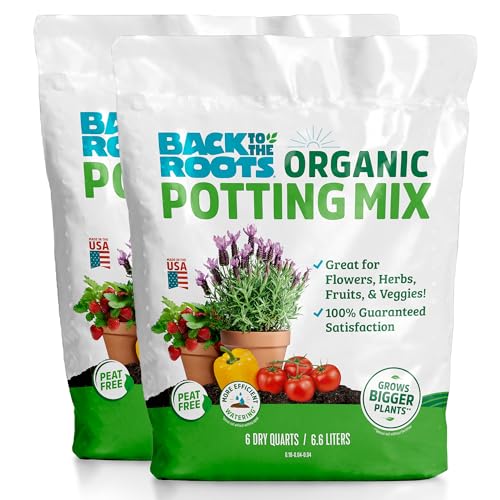
Key Features
- 100% Organic and peat-free: Made from upcycled plant matter and wood fines from across the U.S.; lighter carbon footprint
- All-purpose: Suitable for herbs, veggies, fruits, and flowers; made in the USA
- Better moisture control and pH balance: Includes yucca extract for moisture management and dolomitic limestone for pH balancing
Miracle-Gro Potting Mix, 16 qt (2-Pack)

Key Features
- Feeds container plants for up to 6 months for more blooms
- Bundle includes two 16 qt bags; fills one 12-inch container per bag
- Simple use: fill, plant, and water; promotes robust plant growth
Burpee Premium Organic Potting Mix, 9 Quarts

Key Features
- All-natural mix with plant food and coconut coir; OMRI listed for organic use
- Ideal for containers and raised beds; provides instant feeding then slow-release nutrition
- Moisture retention with coconut coir to support indoor or outdoor potted plants
FoxFarm Ocean Forest Potting Soil, 12 qt

Key Features
- All-in-one potting soil designed for container plants
- Moisture-locking blend with aged forest products, sphagnum peat moss, earthworm castings, bat guano, and fish emulsion
- pH-adjusted for optimal nutrient uptake; supports a wide range of plant varieties
Miracle-Gro Organic Outdoor Potting Mix, 16 qt (2-Pack)

Key Features
- Contains quick-release natural fertilizer for fast feeding
- OMRI listed; suitable for outdoor container plants including vegetables and herbs
- Designed for easy planting and reliable growth in outdoor spaces
Buying Guide: Key Considerations For Choosing Soil For Vegetables
When selecting soil for a vegetable garden, consider the following perspectives to align with your setup and goals:
- Organic vs. conventional: Organic blends avoid synthetic fertilizers and may be preferred for sustainable gardens; check OMRI listings if organic use matters.
- Moisture management: Soils with moisture-retaining components like coco coir, peat (where used), or yucca extracts help reduce frequent watering, especially in warm climates.
- Nutrient delivery: Some mixes include slow-release or quick-release fertilizers. Match with your crop needs and whether you plan to amend with compost or additional nutrients.
- pH balance: A balanced or slightly acidic to neutral pH supports most vegetables; some blends include limestone or pH-adjusting materials.
- Container compatibility: For container gardening, look for blends designed for pots, with good drainage and air porosity to prevent root rot.
- Sustainability and origin: Peat-free and locally sourced ingredients reduce environmental impact and support regional ecosystems.
- Cost and volume: Compare bag sizes and coverage to fit your project scale; two-pack options can be convenient for larger containers or raised beds.
- Certification and safety: If growing for food, ensure the product is suitable for edible crops and free from contaminants.
Bottom line: For a vegetable garden, choose a soil mix that balances moisture retention with drainage, provides essential nutrients, and aligns with your environmental preferences. The options listed above cover a range from peat-free organic blends to nutrient-rich mixes designed for containers and raised beds, enabling healthy root development and productive harvests.