Growing vegetables in raised beds can improve soil quality, drainage, and yields while reducing weed pressure. The following selections highlight sturdy metal and wooden raised garden beds that support a range of crops from leafy greens to root vegetables. Each option emphasizes depth for deeper-rooted plants, ease of assembly, and durable construction, helping you choose a bed that fits your space and growing goals.
| Product | Size / Dimensions | Depth | Material | Notes |
|---|---|---|---|---|
| Best Choice 6x3x2ft Gray | 6×3 ft | 2 ft (24 in) | Powder-coated steel | Bottom panel not included; 269 gal capacity |
| Best Choice 72x24x30in Natural | 72x24x30 in | 30 in | Wood (Chinese fir) | All-wood construction; six drainage holes |
| Best Choice 8x4x2ft Gray | 8×4 ft | 2 ft (24 in) | Powder-coated steel | Open base for improved soil and compost layering |
| Best Choice 6x3x2ft Wood Grain | 6×3 ft | 2 ft (24 in) | Powder-coated steel | Wood grain finish; sturdy steel panels |
| Best Choice 8x2x2ft Gray | 8×2 ft | 2 ft (24 in) | Powder-coated steel | Open base drainage; suitable for mid-to-deep-root crops |
Best Choice 6x3x2ft Gray
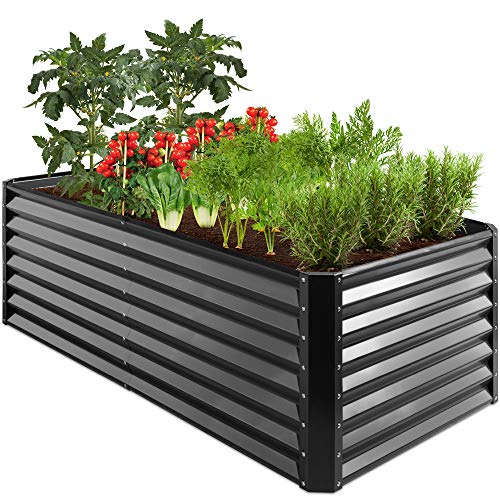
2-foot growing depth (24 inches) accommodates medium to deep-rooting crops such as broccoli and beans, with a capacity of about 269 gallons of soil. The beveled steel panels assemble tool-free using wingnuts and bolts, with rubber edging for safety. Made from powder-coated steel, this bed combines durability with a modern look that resists outdoor elements. Note that it does not include a bottom panel, so gardeners should plan for drainage and root access accordingly.
Best Choice 72x24x30in Natural
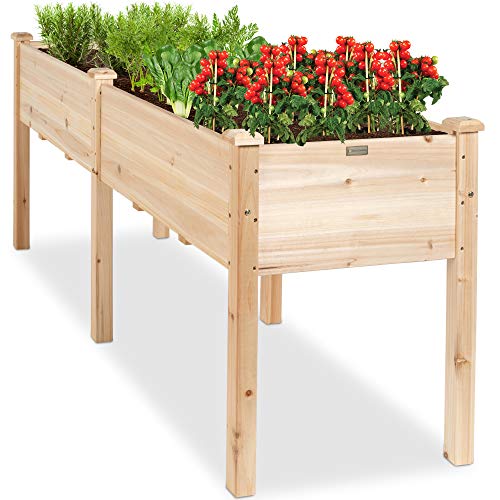
With 8.4 cubic feet of planting space, this elevated bed supports a wide variety of flowers, vegetables, and succulents. Six drainage holes promote root aeration and prevent water pooling, while the all-wood construction using durable Chinese fir offers a natural, weather-resistant frame that resists warping. It provides a stable stand that can elevate garden beds for easier access and maintenance without sacrificing soil depth.
Best Choice 8x4x2ft Gray
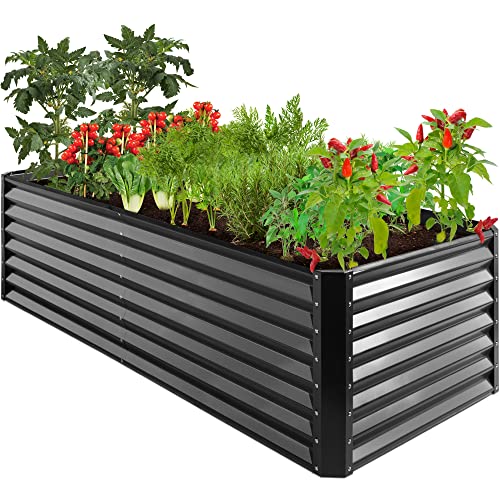
This bed offers 8×4 feet of space with a deep 24-inch soil height, ideal for layering compost and nutrient-rich soil. An open base design supports robust drainage and root access, while tool-free assembly keeps setup straightforward. The powder-coated steel construction yields enduring strength suitable for frequent outdoor use, making it a practical choice for larger vegetable plots and annual plant rotations.
Best Choice 6x3x2ft Wood Grain

This bed maintains a 24-inch depth suitable for medium-depth vegetables and herbs, with powder-coated steel panels and a wood-grain finish that blends with natural outdoor spaces. The steel construction ensures durability, while the included wingnuts and bolts provide a secure, tool-free assembly. The wood grain aesthetic offers a classic garden look without sacrificing modern engineering.
Best Choice 8x2x2ft Gray
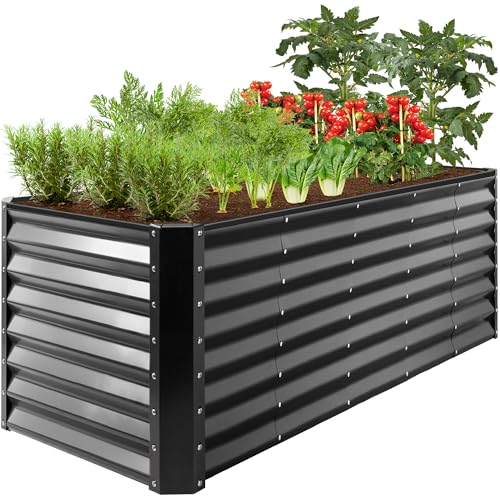
This 8×2-foot bed offers a generous 24-inch depth and an open base for improved drainage. It is designed to support a wide range of plants, from root vegetables to leafy greens. The bed’s steel construction is built to withstand weather stresses, while the open base aids in preventing soil salinity buildup and encouraging steady nutrient uptake by plant roots.
Buying Guide
Selecting the right raised bed involves evaluating materials, depth, drainage, assembly, and maintenance. Consider metal beds for long-term durability and contemporary aesthetics, or wood-frame options for a natural look and potentially lower weight. Depth matters for crop choice: most vegetables perform well in 24 inches or more, with deeper beds supporting root crops like carrots and beets. Drainage is crucial—open bases help prevent waterlogging but may require planning to reduce weed intrusion. Assembly should be straightforward, ideally tool-free, with secure fasteners and protective edging to prevent injuries. A bottom panel affects soil behavior, so decide whether you want a closed bed for containment or an open design for compost layering and improved soil health. Mobility features, if any, can simplify sun-shade management across seasons. Finally, durability and maintenance vary by finish and coating; powder-coated steel resists rust, while natural wood requires protection against moisture and pests. When comparing options, map each bed’s size and weight to your garden footprint, access paths, and lifting capacity to ensure a practical fit and sustainable yields.