Finding the best potting soil for fruits and vegetables is essential for a healthy, productive garden. Quality soil improves moisture retention, nutrient availability, and root development, ensuring robust plant growth. Below is a summary table featuring top-rated organic and nutrient-rich potting soils ideal for container gardening of edible plants.
| Product | Brand | Volume | Key Feature |
|---|---|---|---|
| Back to the Roots 100% Organic Potting Mix | Back to the Roots | 12 Quart | Peat-free, moisture control with yucca extract |
| Miracle-Gro Organic Outdoor Potting Mix | Miracle-Gro | 16 Quart | Quick-release natural fertilizer, OMRI listed |
| Burpee Premium Organic Potting Soil Mix | Burpee | 9 Quart | Contains coconut coir for moisture retention |
| Organic Plant Magic Compressed Organic Potting Soil | Organic Plant Magic | Expandable to 3 Gallons | Compressed, nutrient-dense with worm castings |
| Wakefield Premium Biochar Organic Potting Soil | Wakefield Biochar | 2 Quart | Biochar blend with humic acid for root development |
Back to the Roots 100% Organic Potting Mix
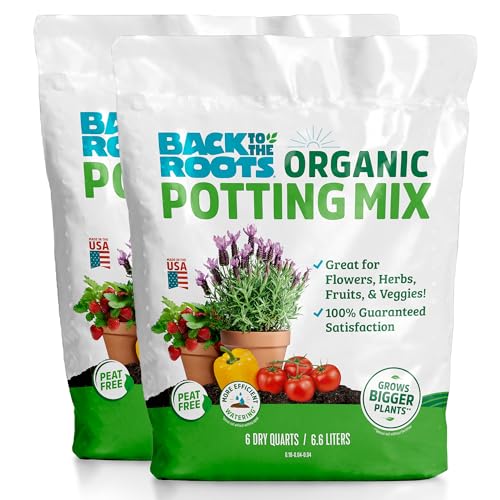
This potting mix is 100% organic and peat-free, crafted from upcycled plant matter and wood fines sourced across the U.S., reducing environmental impact. Designed as an all-purpose soil, it supports herbs, vegetables, fruits, and flowers in containers or raised beds. Key ingredients include yucca extract to enhance moisture control and dolomitic limestone for balanced pH, important factors in nutrient availability and root health. Its lighter carbon footprint appeals to eco-conscious gardeners looking for a sustainable option.
Miracle-Gro Organic Outdoor Potting Mix

Miracle-Gro’s organic mix is formulated with a quick-release natural fertilizer to provide immediate nutrients, feeding plants for up to two months. It is OMRI listed, ensuring it meets organic standards, and made with responsibly sourced peat from certified producers. This soil is intended for outdoor container plants, perfect for vegetables, herbs, flowers, and perennials, making it versatile for home gardeners aiming for healthy plant growth.
Burpee Premium Organic Potting Soil Mix

Burpee’s potting mix uses all-natural ingredients including coconut coir to retain moisture effectively. The mix promotes seed and root growth with plant food that feeds plants instantly and over a 3-month period. Its OMRI listing supports organic gardening practices. This soil is ideal for containers or raised beds, maintaining consistent moisture which is crucial in preventing plant stress, particularly in vegetables and herbs.
Organic Plant Magic Compressed Organic Potting Soil

This compressed soil expands up to 4 times when mixed with water, producing roughly 3 gallons of rich soil. It’s rich in essential nutrients plus over 55 trace minerals from worm castings and natural coconut coir. The formula retains moisture 3 times longer than traditional soils, offering quick nutrient delivery and excellent aeration. This lightweight, space-saving option benefits indoor and outdoor gardeners seeking highly concentrated organic soil.
Wakefield Premium Biochar Organic Potting Soil

Wakefield’s potting soil features a biochar blend with CarbonBoost technology that enhances nutrient uptake and root development, essential for vegetables and tomatoes. This advanced formula improves water retention and soil fertility organically without synthetic additives. It is designed for both indoor and outdoor container gardens, supporting sustainable growth with eco-friendly ingredients, making it an excellent choice for serious vegetable gardeners who want to optimize plant health and yields.
Buying Guide for Potting Soil for Fruits and Vegetables
Choosing the right potting soil for fruits and vegetables involves assessing multiple factors to ensure optimal plant health and productivity.
1. Soil Composition and Ingredients
Look for organic components such as coconut coir, compost, worm castings, and biochar, which improve nutrient availability and soil structure. Avoid soils with synthetic additives or excessive peat, as peat harvesting has environmental concerns.
2. Moisture Retention and Aeration
Effective potting soil should hold moisture well yet allow proper aeration to prevent root rot. Ingredients like coconut coir and yucca extract enhance water retention and moisture control, important for container-grown veggies that can dry out quickly.
3. Nutrient Content and Fertilizer Type
Choose mixes with balanced nutrients and, ideally, slow-release or natural quick-release fertilizers to sustain plant growth over time. OMRI listed products confirm certification for organic gardening practices.
4. pH Balance
Optimal pH, usually slightly acidic to neutral (6.0-7.0), is crucial for nutrient uptake. Some soils include amendments like dolomitic limestone for pH balancing, helping plants absorb minerals effectively.
5. Environmental Impact and Sustainability
Consider the sourcing of ingredients—peat alternatives or sustainably harvested peat and locally sourced organic materials help reduce ecological footprints. Compressed or concentrated soils also offer reduced packaging waste.
6. Intended Use and Plant Types
Ensure the potting soil is suitable for container gardening and matches the specific needs of fruit and vegetable plants. Some soils cater to outdoor use, while others are formulated for indoor growing conditions.
By evaluating these elements, gardeners can select high-quality, nutrient-rich, and environmentally responsible potting soils that maximize healthy growth and abundant yields of fruits and vegetables.