Poly pipe offers a flexible, corrosion-resistant solution for residential and commercial water systems. This article compares five reliable options, highlighting their strengths for drinking water delivery, irrigation, and general plumbing. Each product is evaluated on material quality, pressure rating, and suitability for potable use, helping readers choose the best pipe for their project.
Summary of Selected Products
- Cresline Polyethylene Pipe, 1″ x 100′, 100 PSI, for Drinking Water
- Cresline Polyethylene Pipe, 1-1/4″ x 100′, 160 PSI, for Drinking Water
- Endot Industries Poly Pipe, 1″ x 300′, 100 PSI, NSF Approved
- SharkBite 3/4″ x 300′ PEX-B Water Pipe
- Advanced Drainage Systems Poly Pipe, 3/4″ x 100′, 200 PSI, NSF
Cresline 1-Inch Poly Pipe For Drinking Water
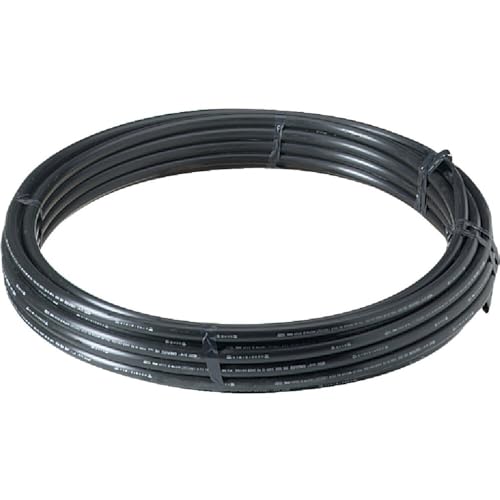
The Cresline 1″ polyethylene pipe is designed for potable water delivery in residential or light commercial settings. With a 100 psi working pressure, it offers a balance of flexibility and strength suitable for underground or above-ground runs for typical water supply lines. While this model emphasizes basic reliability, users should ensure compatibility with local codes and fittings for a complete system.
Cresline 1-1/4 Inch Poly Pipe For Drinking Water

This 1.25″ Cresline poly pipe is rated up to 160 psi, making it suitable for higher-demand water systems and longer runs. It is explicitly marketed for potable water, aligning with NSF standards for safe drinking water delivery. Its HDPE construction resists corrosion and cracking, supporting long-term performance in both irrigation and well applications. Proper installers should verify soil and climate considerations for buried installations.
Endot Industries Poly Pipe 1X300 100 Psi

Endot Industries offers a 1″ by 300′ poly pipe rated at 100 psi, designed for farm and ranch water systems, municipal service lines, and construction projects. The pipe uses selected resins to deliver durability across various environments. It is suitable for temporary or permanent water conveyance, with the caveat that higher temperature exposure reduces working pressure. This option is commonly chosen for robust, flexible installations in demanding settings.
SharkBite 3/4 Inch x 300 Feet PEX-B Water Pipe

This Blue PEX-B coil from SharkBite is designed for potable water systems, offering flexibility for longer runs and fewer fittings. It supports multiple connection methods, including expansion, push-to-connect, and barb fittings, providing versatility in installation. Although PEX-B options differ in temperature and pressure ratings with regard to color and mark standards, this product is geared toward quick, reliable plumbing upgrades and new installations in residential projects.
Advanced Drainage Systems 3/4″ Poly Pipe

ADS X2-75200100 poly pipe is potable grade and flexible, with a maximum working pressure of 200 psi. Specifically noted for ease of installation, this 3/4″ pipe is suitable for potable applications and is often used in modular plumbing projects, irrigation lines, and other water conveyance scenarios where higher pressure capability is beneficial. Installation should follow manufacturer guidelines and local plumbing codes.
Buying Guide
- Material and compatibility: Polyethylene pipes (PE) and PEX variants offer flexibility and corrosion resistance. Confirm whether the pipe is approved for potable water in your jurisdiction and compatible with your fittings and connectors.
- Pressure rating: Choose a pipe with a suitable psi rating for your system’s expected flow and temperature. Higher psi ratings support longer runs and more demanding setups, but may come at a cost.
- Diameter and flow needs: Pipe size should reflect required water volume and fixture demand. Oversizing reduces friction losses but increases material cost; undersizing reduces flow and pressure.
- Temperature tolerance: Consider the temperature range of your water supply. Some pipes perform better at freezing conditions or warmer environments; ensure compatibility with outdoor or buried installations.
- Install method and fittings: Some pipes are designed for push-to-connect, expansion fittings, or barb connections. Ensure your chosen pipe aligns with your preferred installation approach and tools.
- Code compliance and NSF standards: When selecting potable-water pipe, look for NSF certification or equivalent standards. This ensures safety and regulatory compliance for drinking water systems.
- Durability and environment: HDPE pipes resist corrosion and cracking, making them suitable for irrigation and well installations. For severe soil or load conditions, consider reinforcement or burial protection measures.
- Long-term maintenance: Flexible pipes can reduce leak potential, but proper trenching, burial depth, and protection from UV exposure extend service life. Plan for inspection and replacement timelines.
Across these options, users should weigh portability, ease of installation, and compatibility with existing systems. For critical drinking-water lines, prioritize NSF-certified products and ensure fittings, clamps, and connectors meet local code requirements. In irrigation or temporary installations, higher psi ratings and longer lengths may offer practical advantages. Always follow manufacturer guidelines for temperature, pressure, and installation to optimize performance and safety.