When designing a gravel driveway, plastic mesh systems offer a practical solution to stabilize the surface, improve drainage, and prevent wear on underlying soil. This guide reviews five leading options, highlighting durability, permeability, and ease of installation. Each product below is chosen for American customers seeking reliable, affordable, and easy-to-install gravel stabilization grids.
Summary of Selected Products
| Product | Brand | Key Benefit | Permeability |
|---|---|---|---|
| GOOFCXO Permeable Pavers | GOOFCXO | Interlocking, durable 16×16 inch pavers | High |
| PebbleLock Interlocking Permeable Paver Grid | Strol | Heavy-duty grid with 600,000 kg/m² support | High |
| Gravel Ground Grid (6.5ft x 16.5ft) | Hlimior | 2-inch thick, versatile ground grid with stakes | High |
| 2 Inch Ground Grid Walkway Grid | MIWOOYY | High load-bearing HDPE grid, easy to cut | High |
| 4ft x 50ft Wall Geogrid | ZechJinghool | Long-form geogrid for slopes and walls | Moderate-High |
GOOFCXO Permeable Pavers for Grass & Gravel

GOOFCXO’s 12-piece permeable paver system uses heavy-duty plastic mesh designed to support vehicular traffic without deformation. Each piece measures approximately 16×16 inches with a 1-inch depth and 22 square feet in total coverage. The interlocking edge design facilitates seamless layouts, while the honeycomb grid improves rainwater absorption to reduce standing water and erosion. The system is listed as highly permeable, aiding soil protection and foundation longevity. Cuttable with scissors for custom fits, making installation straightforward for driveways, sidewalks, decks, and garden paths.
PebbleLock Interlocking Permeable Paver Grid
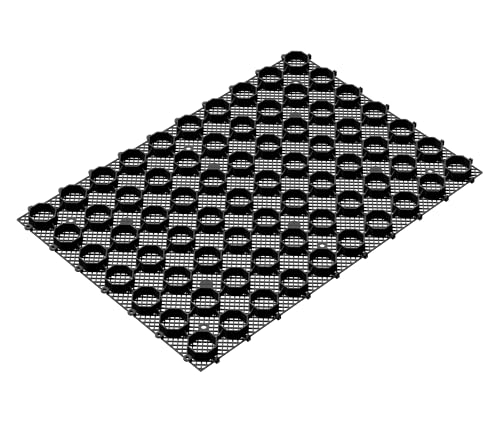
PebbleLock offers a heavy-duty interlocking paver system built from recycled plastic with a reinforced honeycomb cell structure. The grid is designed to lock gravel securely, supporting up to 600,000 kg/m² (122,889.6 lbs/f²). Suitable for driveways, walkways, parking pads, and erosion-prone areas, these 12-pack panels provide robust stability and long-term durability. Their design emphasizes durability, permeability, and wide compatibility with residential and commercial outdoor flooring projects while preventing pooling and soil erosion.
Gravel Ground Grid (6.5ft x 16.5ft) with 2″ Thickness

This 6.5ft by 16.5ft ground grid unrolls to 107 square feet and includes stakes and clips. Made from rugged PE plastic, it offers high tensile strength and long service life, designed for use on driveways, walkways, and areas with variable soil conditions. It is easy to install—unroll, anchor with stakes, and fill cells with soil, sand, gravel, or grass. The kit can be cut to fit irregular layouts, making it versatile for slopes and mixed terrain projects.
2 Inch Ground Grid Walkway Grid

The 2-inch-high HDPE ground grid system covers 40×40 cm (about 15.7×15.7 inches) per unit and can hold up to 3600 kg (approximately 8000 lbs) per square inch when filled. It’s designed for easy cutting and interlocking with adjacent units for larger projects, making it a practical choice for driveways, slopes, and pathways. The grid’s lightweight yet sturdy construction supports multiple fill options, including soil, sand, or gravel, to stabilize the surface efficiently.
3ft x 50ft Wall Geogrid for Retaining Walls

This ZechJinghool geogrid provides long-term stabilization for retaining walls, driveways, and slopes. Made from bidirectional polypropylene, it offers high tensile strength, oxidation resistance, and aging resistance. Available in 4 ft x 50 ft sizes with a small mesh edge length of 0.8 inches (2 cm). It is best used as a bottom layer to strengthen the ground and walls, delivering a durable hard landscape surface for parking areas, decks, and pathways, while not intended for load-bearing structural use.
Buying Guide: Key Considerations For Gravel Driveway Mesh
- Load bearing and stability: Choose grids rated for the expected traffic, whether light residential use or heavier vehicle loads. Interlocking designs tend to distribute weight more evenly.
- Permeability and drainage: Permeable designs help prevent standing water, reduce erosion, and protect soil, but ensure the system provides adequate drainage for your climate and soil type.
- Material and durability: Look for high-density polyethylene (HDPE) or similar UV-stable plastics. Recycled content can be a plus, but ensure life expectancy matches your project goals.
- Grid size and thickness: Larger panels cover more area; thicker grids typically provide higher load-bearing capacity. Consider the fill material—gravel, soil, or grass—and how it interacts with the grid.
- Ease of installation: Interlocking edges, cuttable panels, and included stakes/clips simplify installation. DIY-friendly options save time and labor costs.
- Maintenance: Permeable grids require minimal maintenance but may need occasional weed control and cleaning to preserve permeability over time.
- Environment and aesthetics: Permeable grids with natural-looking finishes blend with landscaping while offering erosion control and water management benefits.
- Application scope: Use products appropriate for driveways, walkways, parking pads, and landscape edging. Some grids are also suitable for slopes and retaining wall reinforcement.
Choosing the right plastic mesh system depends on expected load, climate, soil, and maintenance preferences. For driveways that see occasional car traffic, a robust interlocking grid with high permeability offers balance between stability and drainage. For larger or steeper projects, a heavier-duty geogrid or a combination of paver panels and ground grids may provide the best long-term performance. Always verify installation guidelines and warranty information from the manufacturer before purchase.