A thriving backyard pond relies on the right balance of aquatic plants. The following selections are chosen for natural filtration, shade, surface coverage, and visual appeal. Each entry comes from AquaLeaf Aquatics or trusted aquatic plant suppliers and is oriented toward easy maintenance for American ponds. Use in-ground or container ponds, with attention to climate and seasonal temperatures to ensure vigorous growth and water clarity.
| Product | Brand | Primary Benefit |
|---|---|---|
| Golden Water Poppies (Hydrocleys Nymphoides) – Easy Live Pond Plants | AquaLeaf Aquatics | Natural biofilter; helps clear water |
| Floating Plants for Water Gardens and Ponds (Water Lettuce) | AquaLeaf Aquatics | Fast surface coverage; biofiltration |
| Floating Flowering Plant – Water Hyacinth | AquaLeaf Aquatics | Shade, filtration, rapid growth |
| Lotus Seeds for Planting in Water | PLANTMEW | Colorful blooms; edible ornamental potential |
| Pickerel Rush Live Pond Plant (Blue Pickerel Rush) | AquaLeaf Aquatics | Filtration; colorful spikes |
Golden Water Poppies For Natural Filtration
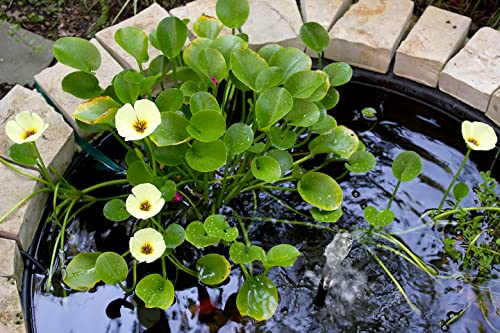
These Hydrocleys Nymphoides are bareroot and ready to establish in aquatic soil. They float readily but perform best when anchored, helping to filter water naturally. The plants include one water poppy per order and are grown to reproduce, contributing to a dynamic pond ecosystem. A key note is temperature sensitivity; avoid ordering during extreme heat or cold spells that could harm live plants. This selection emphasizes resilience through natural biofiltration and steady growth in suitable climates.
Water Lettuce For Light, Floating Coverage

One Water Lettuce plant, 3-5 inches in diameter, arrives ready to float and flourish. These floating plants are noted for easy maintenance and their ability to enliven a water garden. They act as natural biofilters, contributing to clearer water by absorbing nutrients that feed algae. Their buoyant habit reduces evaporation and adds a lush, dynamic surface texture to ponds.
Floating Flowering Plant Bundle (Water Hyacinth)

This live bundle includes one common water hyacinth. It provides natural filtration by helping to control nitrates and ammonia, offers shade and shelter for pond life, and supports rapid surface coverage. The plant’s fast growth rate helps create a living canopy that reduces sunlight on deeper waters, supporting a balanced aquatic ecosystem.
Lotus Seeds For Water Gardens

Lotus seeds are designed for water germination with minimal soil requirements. The seeds are pre-treated for easier starting, and the package includes 30 mixed-color seeds suitable for indoor bonsai setups, outdoor ponds, and garden features. Water temperature thresholds suggest planting once temperatures rise above 60°F. The seeds promise vibrant color blooms in suitable conditions while contributing to the pond’s aesthetic value.
Pickerel Rush Live Pond Plant

Blue Pickerel Rush offers striking pinkish-purple flower spikes, adding color to water gardens. It is versatile for bogs, plant shelves, or shallow water up to six inches deep, offering multiple planting options. The dense foliage supports natural filtration, aiding in water clarification for koi and goldfish ponds. The plant’s color and structural presence make it a focal point in any pond landscape.
Buying Guide: Key Purchase Considerations And Comparisons
When selecting pond plants, consider climate, pond depth, sunlight, and water chemistry. Floating plants like Water Lettuce and Water Hyacinth provide rapid surface coverage and filtration but require regular maintenance to prevent overcrowding and nutrient depletion. Submerged or rooted plants, such as Water Poppies or Pickerel Rush, deliver structured growth and filtration with a steadier establishment in pond soil or plant beds. Lotus seeds add ornamental value and can establish in warm waters, but germination requires patience and warm temperatures. Always check regional temperature ranges and weather forecasts before ordering live plants to avoid thermal stress.
To optimize filtration, pair fast-growing surface plants with deeper-rooted species that can stabilize nutrients through seasons. In shaded ponds, choose plants tolerant of lower light; in sunny ponds, monitor for algae blooms and provide adequate nutrient balance. Consider space allocation: dense mats can crowd water flow if not spaced properly; plan for adequate circulation and depth to support both plant growth and fish. A mix of 3–5 plant types typically yields balanced aesthetics and natural filtration, while ensuring the pond remains hospitable for resident wildlife.
Care best practices include gradual acclimation to outdoor temperatures, avoiding drastic changes in water temperature, and following supplier guidance on seasonal planting. For each plant, confirm climate suitability and recommended planting method—bare-root, potted, or seed—to maximize success. Finally, maintain a routine of periodic pruning to prevent overgrowth and to preserve oxygen exchange and light penetration for deeper water zones.