Choosing the right soil pH kit helps gardeners diagnose soil conditions and tailor amendments for better growth. The following selection focuses on accuracy, usability, and value for American home gardens, lawns, and vegetable plots. Each product is evaluated for ease of use, range, and actionable results so you can optimize soil chemistry with confidence.
| Product | Brand | Key Benefit |
|---|---|---|
| Rapitest Soil Test Kit | Luster Leaf | Comprehensive at-home pH and nutrient testing with color comparators |
| MySoil Soil Test Kit | My Soil | Professional-grade data with 13 plant-available nutrients and pH |
| Soil pH Paper Test Kit | Dewilde Trading Co | 100 strips covering pH 3.5–9 for versatile testing |
| SONKIR Soil pH Meter, MS02 | SONKIR | 3-in-1 meter: moisture, pH, and light for quick checks |
| Leaping Lynx Soil pH Test Kit | Leaping Lynx | 100 strips for frequent, quick pH monitoring |
Rapitest Soil Test Kit For Gardens

The Rapitest kit from Luster Leaf is designed for quick, in-home results on soil pH and major nutrients. It uses an easy capsule system with patented color comparators to deliver actionable readings for pH, nitrogen, phosphorus, and potash. The kit contains components sufficient for 20 tests (5 tests each for pH, N, P, and K), enabling multiple sampling spots across a lawn or garden. This makes it suitable for homeowners who want a straightforward, inexpensive way to monitor soil chemistry over time.
MySoil Soil Test Kit
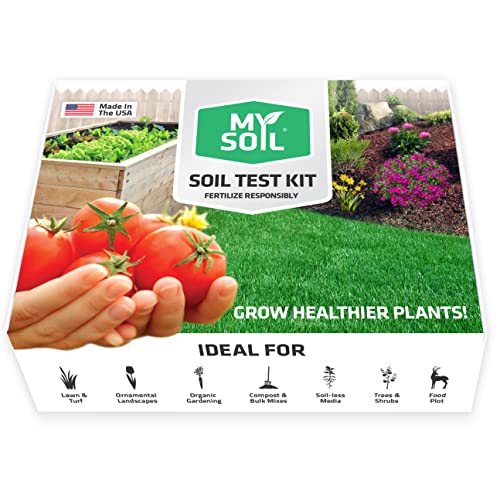
MySoil offers a comprehensive soil test designed for lawn and garden health. It provides fast, professional-grade results highlighting 13 plant-available nutrients and pH levels. Unlike basic home test strips, this mail-in analysis targets plant needs and provides tailored recommendations. Results are typically returned within days, making it a robust option for gardeners seeking precise nutrient management across diverse growing conditions—from lawns to vegetable plots and ornamental beds.
DewilDe Trading Co Soil pH Paper Kit

This 100-strip pH test kit covers a wide pH range (3.5–9) and is suitable for testing soil across gardens, lawns, fruits, vegetables, and indoor plants. The simple procedure involves mixing soil with water, letting it rest, dipping a strip, and comparing to a color chart. The kit’s volume makes it a cost-effective choice for frequent monitoring and long-term projects where regular pH tracking is valuable.
SONKIR 3-in-1 Soil pH Meter MS02

SONKIR’s MS02 combines soil moisture, pH, and sunlight readings in one compact device. It requires no batteries and uses a simple probe to deliver quick readings. The device is best for gardeners who want immediate feedback on soil conditions at plant level. Note that readings depend on soil moisture; for very dry soils, the meter may not register accurate results until water is added and the soil re-tested.
Leaping Lynx Soil pH Test Kit

Leaping Lynx provides 100 high-quality pH test strips with a 3–9 range, making it practical for frequent soil checks. The strips offer quick, color-moded results to help gardeners decide when to adjust soil acidity or alkalinity. This kit is well-suited for ongoing monitoring in vegetable beds, lawns, and flower borders where consistent pH tracking matters for plant health and yield.
Buying Guide
- Test type and scope: Choose between home test kits with color comparators (instant results) and mail-in lab analyses (more precise, nutrient-specific data). If you need broad understanding, a multi-parameter home kit or a 3-in-1 meter is often sufficient; for tailored nutrient management, consider a professional lab service.
- Test range and nutrients: Ensure the kit covers pH and key nutrients (N, P, K) or at least provides enough data to guide amendments. Some kits focus solely on pH, while others expand to a broader nutrient profile.
- Ease of use: Look for kits with simple steps, clear color charts, and minimal consumables. For beginners, devices with built-in readings reduce interpretation errors.
- Turnaround time: Home kits give immediate results; mail-in labs deliver detailed reports in several days. If you want rapid feedback, prioritize at-home options.
- Repeat testing and cost per test: Consider how many tests the kit supports and the cost of replacements (strips, capsules, or test tablets). For ongoing projects, a package with enough tests for months is beneficial.
- Soil type compatibility: Some tests perform consistently across varying soil textures, but others may require wetting steps or specific preparation. Check instructions for a soil type match to your garden.
- Durability and storage: Strips and probes should be stored in a cool, dry place. Ensure that the kit’s components maintain accuracy over time.
- Support and updates: Brands offering updated color charts or online guidance can help when you switch plants or seasons, improving long-term outcomes.
- Cost considerations: Initial kit price plus consumables determines long-term value. If you test across multiple gardens, a larger supply of test strips often saves money over time.
When selecting a soil pH kit, align your choice with your gardening goals, preferred testing cadence, and whether you value speed or precision. For many American home gardens, starting with a reliable home kit to monitor pH and major nutrients, and then supplementing with a lab analysis for critical crops, offers a balanced approach to soil stewardship.