Selecting the right perennial ryegrass seed can boost pasture yield, resist disease, and provide reliable grazing throughout the seasons. This guide highlights five top options tailored for American pastures, with notes on germination, weed content, and shade tolerance. Use the summary table below to compare key traits quickly, then dive into detailed sections for each product.
| Product | Brand | Key Focus |
|---|---|---|
| GreenView Pure Grass Seed Perennial Ryegrass Blend | Greenview | Sun & Shade, Fast Germination, Weed-Free |
| Pennington Smart Seed Perennial Ryegrass | Pennington | Sun Exposure 4–6 hrs, Quick Results |
| Outdoors Perennial Ryegrass Seeds – 500 Seeds | CZ Grain | Hardy Growth, Erosion Control, Animal Forage |
| Trifecta II Gray Leaf Spot Resistant Perennial Ryegrass Blend | Trifecta | Gray Leaf Spot Resistance, Overseeding Value |
| Scotts Turf Builder Grass Seed Perennial Ryegrass Mix | Scotts | Establishes Quickly, Root-Building Nutrition |
Below are five selected products, evaluated for pasture use, grazing readiness, and resilience. Each entry includes a brief overview, germination and growth notes, and how it might fit into common pasture management plans.
GreenView Perennial Ryegrass Blend For Pastures

GreenView’s Pure Grass Seed blends Perennial Ryegrass varieties suitable for both sunny and partially shady pastures. This blend emphasizes a weed-free composition (about 99.9%) to minimize competition in grazing areas, aiding rapid establishment. Germination is typically rapid, with observable growth in 7–12 days, helping to establish a dense canopy sooner. This selection supports grazing plans across mixed light conditions and reduces weed pressure in newly reseeded pastures.
Key considerations: suit for fields with varying sun exposure, weed suppression benefits, and quick establishment. Ideal for new pasture renovation or overseeding existing paddocks to improve density and forage quality.
Pennington Smart Seed Perennial Ryegrass
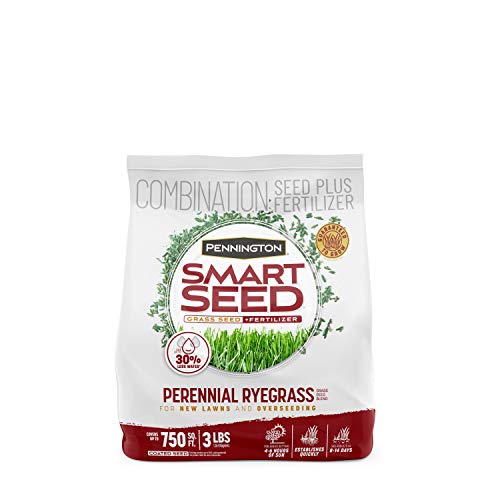
Pennington Smart Seed is positioned for areas receiving 4 to 6 hours of sun, offering reliable germination within 8 to 14 days. It’s designed as a versatile choice for permanent cool-season pastures and for temporary warm-season lawns that require a quick green-up. This option supports pasture renovations where moderate sunlight dominates and a steady, dense stand is desired for consistent forage production.
Key considerations: assess available sunlight, typical grazing pressure, and the need for a dependable early-season germination window to reduce bare patches.
CZ Grain Outdoors Perennial Ryegrass Seeds

CZ Grain’s Outdoors Perennial Ryegrass Seeds offer a hardy blend suitable for lawns, pastures, and other open spaces. The seed is non-GMO and highly adaptable to pasture scenarios, providing erosion control benefits and serving as forage for livestock. It’s well-suited to environments where quick ground cover is beneficial for grazing sectors and soil protection, particularly in fall and spring seeding windows.
Key considerations: balance ground cover speed with forage value, evaluate erosion control needs, and consider grazing timing to optimize utilization of newly seeded pastures.
Trifecta II Gray Leaf Spot Resistant Perennial Ryegrass Blend

The Trifecta II blend emphasizes gray leaf spot resistance, incorporating multiple varieties (Secretariat II GLSR, Exacta II GLSR, Charismatic II GLSR) that scored highly in NTEP trials. For lawns and pastures, this mix can offer resilient coverage and disease resistance, which is valuable in grazing areas prone to disease pressure. Rates for overseeding vary; new lawns typically require higher seeding rates, while overseeding pastures can be adjusted to established stands.
Key considerations: disease resistance, overseeding vs. new sowing, and compatibility with existing pasture species. This blend can help maintain pasture integrity in disease-prone regions.
Scotts Turf Builder Perennial Ryegrass Mix

This Scotts mix is designed for full sun and light shade with moderate drought resistance and durable performance. It’s formulated for fast establishment and includes root-building nutrition to foster a stronger lawn. In pasture settings, this mix can help establish a dense, resilient stand that supports consistent grazing and reduces bare patches during seasonal transitions.
Key considerations: sunlight exposure, drought considerations, and ensuring seed-to-grazing timing aligns with pasture management goals.
ProTurf Perennial Ryegrass Fine Lawn Seed by Eretz (10lb)

ProTurf Fine Lawn Seed from Eretz emphasizes very high-quality, premium perennial ryegrass seed with a fine blade and deep green appearance. It’s weed-seed-free and blends well with other lawn or forage crops. While marketed for lawns, this high-purity seed can be used in pasture renovation where a refined, uniform stand is desired and grazing pressure is managed to prevent overgrazing early in establishment.
Key considerations: seed purity, blade fineness, and suitability for targeted grazing plans where a uniform pasture appearance is desired.
ProTurf Perennial Ryegrass Fine Lawn Seed by Eretz (3lb)

This smaller package from Eretz preserves the same quality and weed-free assurance as the 10 lb option, making it suitable for targeted reseeding in pastures with limited area or for phased pasture renovations. It remains a strong choice for maintaining a high-quality seed bed and ensuring good germination with proper soil preparation.
Buying Guide: Key Purchase Considerations For Pasture Seed
- Pasture goals and grazing plan: Match seed blends to your grazing rotation, livestock density, and desired forage quality. Gray leaf spot resistance is valuable in areas with disease pressure.
- Sun and shade tolerance: Assess your pasture’s light conditions and choose blends with robust performance in sun, partial shade, or full shade as needed.
- Germination speed and establishment: Quick germination accelerates green-up after reseeding, while some blends focus on slow establishment for erosion control and long-term persistence.
- Disease resistance and weed content: Seed that is weed-free and tested for disease resilience helps reduce competition and support pasture health.
- Soil and climate compatibility: Consider soil type, drainage, and regional climate. Will your pasture experience heat stress, drought, or heavy rainfall?
- Grazing management: Plan for rest and rotation to maximize pasture recovery after reseeding. Avoid overgrazing during establishment.
- Seeding rate and area: Follow label guidance for new seeding versus overseeding, and adjust rates based on field size and existing forage density.
- Seed source and quality assurances: Buy from reputable brands with clear germination, weed content, and warranty or satisfaction guarantees where available.