Powdery mildew is a common challenge for many American gardeners, affecting roses, vegetables, ornamentals, and houseplants. Choosing an organic fungicide that’s effective, safe for people and pets, and easy to use can protect plant health without compromising eco-friendly goals. This article highlights five top organic options that target powdery mildew and related diseases, with practical guidance on when and how to apply them for best results.
Summary of chosen products:
| Product | Brand | Key Benefits | Usage Notes |
|---|---|---|---|
| Grower’s Ally Fungicide Spray (Ready-to-Use) | Grower’s Ally | Natural fungicide and bactericide, OMRI Listed, protects against powdery mildew | Ready-to-use spray; ideal for quick preventative or curative care |
| Earth’s Ally Disease Control Concentrate | Earth’s Ally | All-in-one disease protection, safe for people and pets | Concentrate; mix as directed for versatile use |
| Neudorff Copper Fungicide Spray | Neudorff | Copper-based control for powdery mildew and other diseases | Ready-to-use; suitable for organic gardening |
| Grower’s Ally Fungicide Concentrate | Grower’s Ally | Covers large areas; protects against powdery mildew with citric acid | Concentrate; yields up to 20 gallons per bottle |
| Trifecta Crop Control | Trifecta | All-natural fungicide with essential oils; broad spectrum | Concentrated; suitable for indoor and outdoor use |
Grower’s Ally Fungicide Spray for Plants Ready-to-Use

Grower’s Ally Fungicide Spray is designed to maximize plant health by targeting common pathogens, including powdery mildew. The formula is built around food-grade citric acid, making it FIFRA 25(b) exempt and OMRI Listed for organic gardening. It reduces bacterial growth while remaining gentle on plant tissue, forming a protective barrier on leaf surfaces when used preventatively. This ready-to-use option is convenient for quick spot treatments on affected foliage and for preventative maintenance on high-risk crops.
Features include zero residual solvents, no synthetic pesticides, and no heavy metals, aligning with organic gardening principles. It can be used indoors and outdoors, offering flexibility for varied growing environments. When powdery mildew pressure is low or moderate, this spray can help maintain plant vigor with regular applications as part of an integrated pest management plan.
Earth’s Ally Disease Control Concentrate for Plants

This concentrate provides broad-spectrum disease control, addressing powdery mildew, downy mildew, blight, black spot, and leaf spot. Earth’s Ally emphasizes a natural approach with citric acid as a core active ingredient, offering a safer alternative to harsher chemical fungicides. The product is positioned as safe for people, pets, and the planet, making it suitable for households with children or animals. It is designed for use on fruits, vegetables, flowers, ornamentals, trees, and shrubs, supporting a wide range of garden scenarios.
For best results, apply as part of a regular spray program, rotating with other organic treatments to reduce disease pressure. The concentrate format allows dilution to fit different garden sizes and plant types, making it adaptable for both small balconies and larger plots. As with all garden products, follow label directions for timing and rates to optimize efficacy and plant safety.
Neudorff Plant Fungicide Spray (Copper Soap)

Neudorff Copper Fungicide Spray uses copper-based chemistry to control powdery mildew and other listed diseases on roses, vegetables, fruits, and ornamentals. It is suitable for organic gardening and can be used up to the day of harvest on many crops, providing flexibility for growers who need timely protection. The product is applicable to indoor and outdoor plants, including houseplants, fruit trees, and garden crops. Copper-based fungicides are a long-standing option in organic disease management, known for their broad-spectrum activity and compatibility with a variety of plant species.
While copper fungicides can be effective, they require careful handling to avoid phytotoxicity on sensitive plants and to prevent copper buildup in soil. Follow label directions regarding concentration and frequency of applications, and consider washing foliage during hot, dry periods to prevent leaf burn. This option pairs well with preventive measures and cultural practices to maintain plant health while managing powdery mildew pressure.
Grower’s Ally Fungicide Concentrate 32 oz

This concentrate expands coverage for larger growing spaces, making up to 20 gallons of spray. The formulation mirrors the Ready-to-Use version, leveraging citric acid as the core active ingredient to kill and prevent powdery mildew and other pathogens. It emphasizes a zero-pollutant approach with organic compatibility, aligning with the needs of gardeners seeking scalable solutions without synthetic residues. It is suitable for a wide range of plants, including vegetables, ornamentals, and trees.
As a concentrate, it offers cost efficiency and flexibility for different garden sizes. When used as part of a routine schedule, it helps maintain plant vigor during periods of increased disease risk, such as humid weather or crowded plantings. Always follow label directions for dilution and spray intervals to optimize performance and plant safety.
Trifecta Crop Control Ready to Use
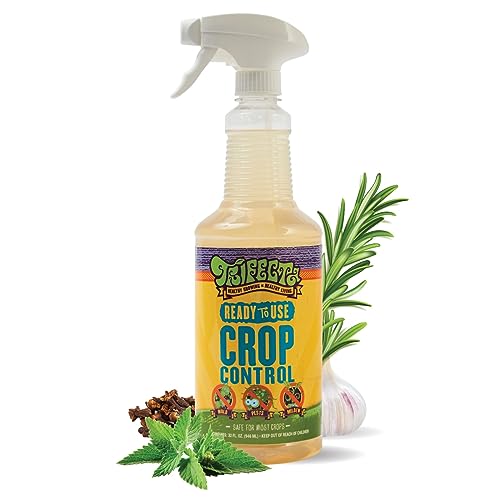
Trifecta Crop Control is an all-natural, plant-based fungicide and insect control product that tackles powdery mildew and a range of pests. It emphasizes an eco-friendly approach, using essential oils to provide a protective and curative effect without chemical residues. The product claims safety for both indoor and outdoor use, with a focus on preserving beneficial insects and minimizing environmental impact. It is designed for gardeners seeking a multi-tool solution that addresses both fungal diseases and common pests in a single application.
The ready-to-use format simplifies application, making it accessible for quick spot treatments or broader coverage. Because it relies on botanical actives, users should monitor for potential variability in performance due to environmental conditions. Regular application as part of an integrated disease and pest management plan can help maintain plant health in gardens and on houseplants alike.
Buying Guide: Key Considerations For Organic Powdery Mildew Control
- Active ingredients: Organic options include citric acid, thyme oil, copper, and plant-based blends. Each has different spectra of activity, safety profiles, and plant compatibility. Consider crop sensitivity and pest pressure when selecting.
- Scope of use: Determine whether you need a ready-to-use spray for quick action or a concentrate for larger areas and long-term coverage. Concentrates offer cost efficiency but require mixing and proper dilution.
- Safety and residues: Look for OMRI or USDA organic listings, non-toxic formulations, and residues that are safe for edible crops if you’re treating vegetables or fruiting plants.
- Plant compatibility: Some copper-based products can be phytotoxic on tender foliage or certain species. Test on a small area before wide application, especially on new transplants.
- Application timing: Powdery mildew often requires early intervention. Apply preventatively at high humidity or when spores are likely to appear, and repeat per label directions to sustain protection.
- Environment and usage context: Indoor plants may benefit from gentler, lower-dosiage applications, while outdoor gardens may need more robust coverage during humid seasons. Consider coverage, spray coverage, and potential runoff in rainfall-prone areas.
- Integrated approach: Organic disease management works best when combined with cultural practices (air circulation, pruning, spacing) and resistant varieties. Rotate modes of action to minimize resistance development.
When choosing an organic fungicide for powdery mildew, weigh efficacy against plant safety and environmental impact. For many gardeners, a combination of a rapid-acting spray (for immediate protection) and a longer-term concentrate (for ongoing disease management) delivers the most consistent results. Always follow label directions and local guidelines to ensure optimal performance and safe, responsible use.