Choosing a non-toxic wood sealer for garden beds ensures your plants stay healthy and your outdoor spaces remain safe for kids and pets. This guide reviews top plant-based, low-VOC options that penetrate wood, provide long-lasting protection, and minimize odor. All selections are suitable for raised beds, planters, and other outdoor wooden structures, with emphasis on safety, performance, and easy maintenance.
| Product | Brand | Key Benefit |
|---|---|---|
| Garden Box Sealer 32OZ/946ML | Shabebe | Deep penetration; plant-based formula |
| Garden-Seal NonToxic Wood and Pottery Sealer Clear | Tricopolymer | No harsh smells; suitable for below-grade use |
| 32oz Garden Box Sealer | Not Rocket Sciences | Food-safe, garden-safe ingredients |
| Eco-Friendly Silicone Premium Wood Sealer | Saavysil | Concentrated, VOC-free, breathable finish |
| Seal It Green Cedar Garden Box Sealer | Seal It Green | Deep penetrating, plant-based, non-toxic |
Garden Box Sealer 32OZ Non-Toxic Sealer

The Shabebe Garden Box Sealer is a professional-grade, plant-based wood sealer designed to protect varied wood types commonly used in outdoor garden builds, including cedar, pine, hardwood, bamboo, and pressure-treated wood. It deeply penetrates the surface to guard against moisture, sun exposure, and harsh weather, helping maintain the bed’s structural integrity over time. The formula is free from synthetic solvents, waxes, and strong odors, making it suitable for spaces used by plants and pets. Designed for raised beds, planters, fences, and other outdoor projects, this option emphasizes long-lasting performance with reduced maintenance.
Key features: deep wood penetration; plant-based formula; safe for gardens and pets; suitable for multiple wood types; designed for outdoor durability. Typical use cases include garden beds, planter boxes, and similar structures where long-term protection is essential. Note that it is not recommended for laminated or pre-coated wood, ensuring proper compatibility with most DIY garden builds.
Garden-Seal NonToxic Wood And Pottery Sealer Clear

Tricopolymer’s Garden-Seal offers a non-toxic coating with minimal odor during and after application. It is designed to coat treated posts and stakes and is suitable for installations below grade or in concrete, making it versatile for garden infrastructure where wood meets soil or concrete. The absence of harsh smells and residues helps maintain a clean, plant-friendly environment in and around raised beds. This sealer emphasizes ease of use and compatibility with common garden construction materials.
Key features include low odor, non-wax finish, and suitability for below-grade or concrete-adjacent applications. The product focuses on maintaining soil and plant health by avoiding harmful solvents while still delivering durable protection against moisture and weathering. Ideal for planters or bed frames where contact with soil is frequent and cleanliness is important.
32oz Garden Box Sealer by Not Rocket Sciences

This 32-ounce sealer from Not Rocket Sciences is a garden-safe wood sealant, formulated to be 100% non-toxic and plant-based. It features FDA food contact-safe ingredients, making it appropriate for garden beds where soil and moisture contact the wood. The sealer protects surfaces against sun, water, and weather while preserving natural wood beauty. With extended longevity and low maintenance needs, this option aims to keep garden beds resilient through multiple growing seasons without compromising plant health.
Key attributes include non-toxic, plant-based composition, food-contact safety, and durable outdoor protection. This product positions itself as a practical choice for DIY garden beds, planters, and similar wood projects where safety and aesthetics matter. It emphasizes long-lasting performance while maintaining the wood’s natural appearance.
64oz Garden Box Sealer by Not Rocket Sciences

This larger 64-ounce option from Not Rocket Sciences provides the same garden-safe, non-toxic protection in a greater volume, ideal for larger beds or multiple projects. Like the 32-ounce version, it uses plant-based, FDA-compliant ingredients designed to shield wood from sun, water, and weather while preserving the wood’s natural look. The extended coverage reduces reapplication frequency, making it suitable for busy DIY gardeners seeking reliable long-term protection without introducing harmful chemicals to the soil.
Benefits include non-toxicity, plant safety, and a focus on maintaining wood aesthetics alongside durability. The product is well-suited for cedar, pine, and other common garden bed woods, and aims to be a practical, family-friendly choice for outdoor woodworking projects.
Eco-Friendly Silicone Premium Wood Sealer – Saavysil

Saavysil offers an eco-friendly silicone-based wood sealer in a 16 oz concentrate, designed to yield up to 1 gallon when diluted. It is VOC-free and non-toxic, making it suitable for exterior and interior garden beds, planters, decks, fences, and furniture. The formula emphasizes a breathable, 100% film-free layer that resists water and UV damage while preserving the wood’s natural appearance. It ships as a concentrate for economical use and reduced shipping impact, aligning with sustainable gardening practices.
Key points include VOC-free formulation, plant safety, and a breathable finish that helps prevent slips on treated wood. This product is ideal for gardeners seeking a light-touch, non-film protective layer that remains unobtrusive to the wood’s texture and color, while offering reliable protection against the elements.
Seal It Green Cedar Garden Box Sealer
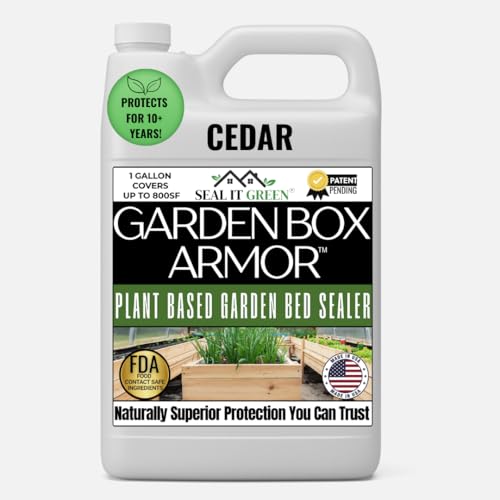
Seal It Green’s Cedar Garden Box Sealer emphasizes deep penetration with natural penetrating oils, designed to bond with wood fibers for long-lasting protection. Marketed as plant-based and non-toxic, it avoids toxic chemicals that can leach into soil. The product is FDA food contact safe and highlights ingredients you can understand, making it a transparent choice for gardeners prioritizing safety. It’s also promoted as suitable for other wooden projects like chicken coops or dog houses, reflecting its versatile, family-friendly approach.
Important considerations include the emphasis on non-toxicity, deep penetration, and compatibility with cedar and other woods used in raised beds. The sealer aims to provide a decade or longer of protection while keeping the garden environment safe and healthy for plants and animals.
Buying Guide: Key Purchase Considerations
When selecting a non-toxic wood sealer for garden beds, consider the following factors to balance safety, performance, and value:
- Safety profile: Prioritize plant-based, VOC-free, non-toxic formulas with FDA or food-contact safety where relevant.
- Penetration vs. film-forming: Look for penetrative sealers that bond with wood fibers, offering durable protection without creating a thick film that can peel.
- Wood compatibility: Ensure the product lists compatibility with common garden bed woods (cedar, pine, pressure-treated, hardwood, bamboo) and mention suitability for planters and raised beds.
- Application and maintenance: Consider ease of application, dry times, reapplication frequency, and whether the formula requires pre-cleaning or surface prep.
- Odor and indoor/outdoor use: Low-odor formulas are preferable for spaces near homes, gardens, and pet areas; check for indoor applicability if needed.
- Coverage and economy: Compare coverage rates per bottle or gallon to estimate total projects covered and cost per square foot.
- Safety for soil and plants: Favor products that clearly state non-leaching, safe for soil contact, and free from harmful solvents.
- Environmental impact: Concentrates vs. ready-to-use formulations affect packaging, shipping, and environmental footprint; consider concentrates for long-term use.
- Brand transparency: Look for explicit ingredient lists and straightforward usage guidelines to ensure you understand what’s protecting your wood.
For garden bed projects, prioritize products with deep penetration, plant-based formulas, and long-lasting durability. If you maintain multiple beds or larger garden structures, consider larger-volume options to minimize reapplications while preserving the wood’s natural look and safety for soil-dwelling organisms.