The right garden netting can shield vegetables, fruits, and flowers from birds, pests, and harsh weather while still allowing light, air, and water to reach crops. This article highlights five top nets that balance protection with plant health, based on common garden needs such as large coverage, ultra-fine mesh, and easy setup. Read on to compare features, durability, and intended uses, so you can choose the best netting for your vegetable garden this season.
Overview of chosen products
| Product | Brand | Mesh Details | Coverage | Key Benefit |
|---|---|---|---|---|
| Garden Netting, 10×33 Ft Ultra Fine Mesh | FARAER | 0.8mm x 1mm | 10×33 ft | High protection with easy watering through mesh |
| Feitore Deer Fence Netting, 7×100 Ft | Feitore | 3/4 inch square mesh | 7×100 ft | Heavy-duty deer and bird barrier |
| Jevrench Ultra Fine Garden Netting (4×25 ft) | Jevrench | 0.8mm x 1mm | 4×25 ft | Improves yields while protecting vegetation |
| 2 Pack 6.5×10 ft Garden Netting | Alphatool | Ultra-dense mesh | 2 x 6.5×10 ft | Easy coverage for raised beds |
| Garden Netting Kit for Raised Beds, 10×30 ft | Monirsen | 0.8mm x 1mm | 10×30 ft | Includes hoops for quick setup |
Garden Netting, Ultra Fine 10×33 Ft for Vegetables
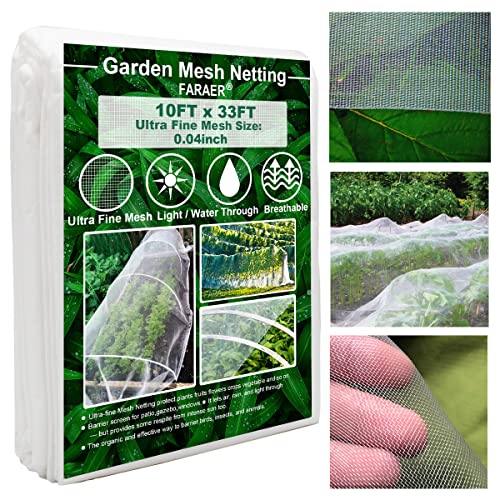
Designed for broad garden coverage, this ultra-fine mesh netting measures 10×33 feet and uses a 0.8mm by 1mm mesh size. The product creates a protective barrier around vegetables, fruits, flowers, and crops while still allowing airflow, light, and irrigation water to pass through. The netting’s oblong holes reduce debris buildup and support consistent sunlight exposure, making it suitable for greenhouses, raised beds, and outdoor plots. A notable feature is its ability to stay in place during watering or feeding since liquids can pass directly through the mesh without removal.
Ideal for: protecting leafy greens, berries, and small fruiting crops from insects and minor pests, while minimizing heat buildup on sunny days.
Feitore Deer Fence Netting 7×100 Feet
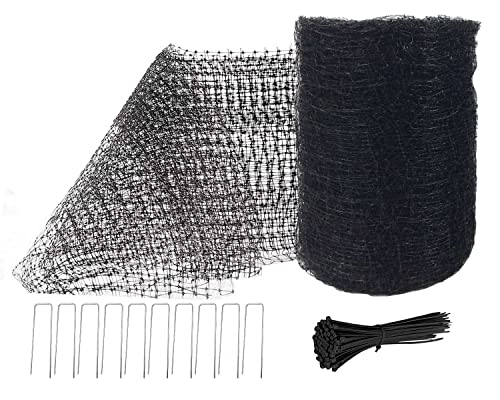
This deer fence netting provides a long, continuous barrier across large garden sections, with a 7-foot-by-100-foot layout. The 3/4-inch square mesh is robust enough to deter deer, birds, and larger pests while remaining lightweight and reusable. Made from high-quality polypropylene, the netting resists tearing, rust, and rot, offering extended use compared with metal or wood barriers. The kit often includes installation nails and cable ties for quick setup, and its design also accommodates use as bird, rabbit, or pond netting when needed.
Best for: protecting long rows of vegetables, fruit trees, and shrubs from larger wildlife without harming animals; well-suited for season-long protection in open yards or fields.
Jevrench Ultra Fine Garden Netting (4×25 ft)

Jevrench’s ultra-fine netting measures 4×25 feet with a 0.8mm by 1mm mesh, designed to defend against common garden pests while preserving essential growth conditions. Its thick, blue-tinted polyethylene construction provides durability and elasticity, allowing the material to withstand sun exposure and handling. The netting is highly versatile, suitable for protecting vegetables, fruits, and ornamental plants. The dense mesh helps boost yields by reducing pest-related damage without obstructing photosynthesis when properly maintained and reused over multiple seasons.
Best for: small-to-midsize beds or planters where a tight barrier is needed without blocking light or air flow; a balance between protection and crop productivity.
Alphatool Garden Netting, 6.5×10 ft (2 Pack)

This two-pack offers 6.5×10 foot nets with a dense mesh designed to shield plants from pests while ~allowing sunlight and rainfall to permeate. The material is described as durable PE, with the ability to be reused many times if properly cared for. The netting is easy to deploy over raised beds or flat gardens and is marketed for general protective use, including protection against insects and birds. Its white color helps reflect sunlight, reducing heat absorption in hot climates.
Best for: quick, economical coverage for a few raised beds or row crops; ideal for gardeners who value reuse and straightforward setup.
Monirsen Garden Netting Kit for Raised Beds

The Monirsen kit combines a 10×30-foot ultra-fine mesh netting with six sets of 8-foot fiberglass hoops, connecting pipes, and clips for a ready-to-install barrier. This setup is ideal for raised beds and outdoor plots where a stable framework is beneficial. The ultra-fine mesh (0.8mm x 1mm) permits air, light, and water to pass through, reducing heat stress on plants. The included hoops help maintain a taut, protective enclosure that can be left in place through growing seasons, shielding crops from insects, birds, and sun damage.
Best for: gardeners seeking an all-in-one protective system with a simple frame; especially useful for larger raised beds or container gardens that require a semi-permanent installation.
Buying Guide: Key Purchase Considerations
Choosing the right garden netting depends on pest pressure, crop type, and garden layout. Here are critical factors to weigh when selecting netting for vegetables:
- Mesh size: Ultra-fine meshes (around 0.8mm by 1mm) block small insects while allowing air, light, and water to pass. Larger pests may require bigger mesh or separate barriers.
- Coverage area: Measure beds and rows to select nets with adequate length and width. Some kits include supporting hoops for a quicker setup, which is helpful for large plots.
- Durability and material: Polyethylene (PE) nets offer flexibility and UV resistance. Reusability reduces long-term costs but requires proper storage to prevent tangling or tearing.
- Ventilation and irrigation compatibility: Look for nets that permit rainfall and irrigation through the mesh without removing the cover. This minimizes maintenance and protects plant roots.
- Framing and installation: Nets with hoops or simple fastening systems save time during installation and removal, especially for seasonal setups or frequent crop rotations.
- Versatility: Some nets can be repurposed as deer or bird barriers, greenhouse screens, or row covers, increasing their value across different gardening tasks.
- Maintenance: Check for signs of wear, such as thinning areas or frayed edges. A sturdy, tear-resistant net reduces the need for frequent replacements.
Performance considerations from different gardening perspectives include:
- Protecting high-value crops (e.g., tomatoes, peppers, berries) against birds and larger pests may justify stronger barriers and larger coverage.
- In areas with heavy rainfall, breathable mesh that preserves airflow helps reduce humidity-related issues like mold and fungal diseases.
- For small urban plots, compact nets with easy setup offer convenience and faster crop turnover.
- In hot climates, reflective or lighter-colored nets can mitigate sun exposure while maintaining photosynthesis.
Overall, the best netting choice aligns with pest pressure, crop needs, and the gardener’s workflow. Combining a sturdy barrier with practical installation options can protect yields while preserving plant health throughout the growing season.