Pollinator-friendly gardens rely on milkweed to support monarch butterflies through their life cycle. The following selections prioritize non-GMO seeds, varied milkweed species, and ease of growing, helping gardeners across America attract monarchs while boosting local biodiversity. Below is a concise guide to five standout options with key benefits and growing considerations.
| Product | Brand | Key Benefit |
|---|---|---|
| Seed Needs Milkweed Seeds for Planting a Butterfly Garden (5 Packs) | Seed Needs | Diverse mix including showy, pink swamp, white swamp, orange butterfly, and common milkweed seeds for year-round interest |
| Gardeners Basics, Milkweed Seeds for Monarch Butterflies (4 Variety Pack) | Gardeners Basics | Four varieties—rose, butterfly, common, and showy milkweed—for a varied nectar and host plant mix |
| HOME GROWN Premium Monarch Butterfly Wildflower Seeds Mix (2oz) | HOME GROWN | Over 20,000 seeds including milkweed blends for broad pollinator habitat |
| Mix Milkweed Seeds for Monarch Butterflies (6 Varieties) | EquSym | Six perennial varieties in one pack with multicolor blooms for a vibrant garden |
| HOME GROWN Milkweed Flower Seeds (5 Varieties) | HOME GROWN | Five native varieties with monarch-friendly host plants and nectar sources |
Introduction to the selections: These options emphasize monarch-supportive plants, non-GMO integrity, and garden-friendly growth. They span single-species to mixed-seed packs and are suitable for different climate zones. Whether you’re starting a small balcony plot or a large pollinator border, these seeds offer practical paths to establish monarch habitats with lower maintenance and higher ecological value.
Seed Needs Milkweed Seeds Collection
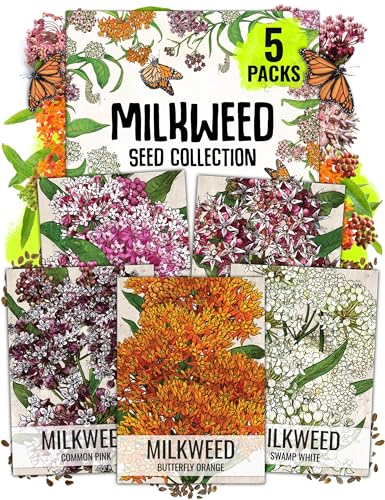
The Seed Needs collection combines five milkweed seed packets: Showy Milkweed (Asclepias speciosa), Pink Swamp Milkweed (Asclepias incarnata), White Swamp Milkweed (Asclepias incarnata), Orange Butterfly Milkweed (Asclepias tuberosa), and Common Milkweed (Asclepias syriaca). This mix provides monarch caterpillar hosts and nectar sources across multiple bloom times, increasing habitat stability and pollinator visits. The varied selections support biodiversity by offering both host and nectar plants in a single package. Growers should prepare well-drained soil and full sun for best germination rates.
Gardeners Basics Milkweed Seeds 4 Variety Pack
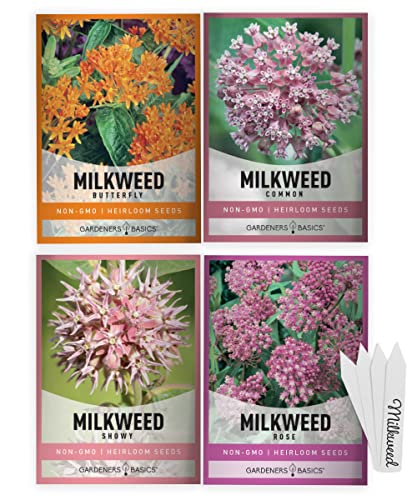
Gardeners Basics offers four milkweed varieties—rose, butterfly, common, and showy—designed to attract monarchs and other pollinators. This pack simplifies diversity by pairing multiple host and nectar sources in one purchase, which can help stabilize monarch populations by supporting different life stages. The seeds are well-suited for new gardeners seeking clear varieties with straightforward growing requirements and strong germination prospects.
HOME GROWN Premium Monarch Butterfly Mix (2oz)

This HOME GROWN mix combines over 20,000 wildflower seeds with a blend focused on monarchs and other pollinators. The mix emphasizes nectar-rich flowers that bloom across the growing season, providing continuous food for butterflies and bees. It’s designed for easy broadcasting and beneficial for larger garden beds or meadow-style plantings, with species chosen to return in subsequent years in suitable climates.
Mix Milkweed Seeds for Monarch Butterflies (6 Varieties)

EquSym’s Mix Milkweed Seeds pack offers six perennial varieties, including common and butterfly milkweed, in a color-rich blend of white, pink, orange, and red blooms. The mix is designed for easy growth with non-GMO, heirloom seeds that aim for high germination. Gardeners can place these seeds in sunny spots to establish a long-lasting pollinator corridor that supports monarch caterpillars and other pollinators throughout the season.
HOME GROWN Milkweed Flower Seeds (5 Varieties)

HOME GROWN’s five-variety seed set focuses on native milkweeds and supportive nectar sources, reinforcing monarch habitat in zones suitable for perennial growth. The product emphasizes easy care and year-to-year resilience, aligning with gardeners seeking a low-maintenance approach to sustaining monarch populations. The combination of host plants and nectar providers creates a robust, diverse habitat that flourishes in sunny, well-drained soils.
Buying Guide: Key Considerations For Selecting Milkweed Seeds
Monarch habitats benefit from a mix of host plants and nectar sources that bloom at different times. When evaluating options, consider species diversity, climate suitability, germination rates, and maintenance needs. Non-GMO and open-pollinated seeds tend to offer greater vigor and adaptability in diverse American gardens.
- Species diversity: A mix of milkweed species (common, showy, butterfly, pink swamp, etc.) supports monarchs at different life stages and in varying weather conditions.
- Climate compatibility: Check USDA hardiness zones and sun exposure requirements. Drought-tolerant varieties work well in arid regions, while others perform best in moist soils.
- Germination and care: Look for seeds with straightforward germination timelines. Some mixes benefit from light stratification or shallow sowing in spring.
- Host plant availability: Monarch caterpillars rely on milkweed leaves. Ensure the chosen seeds will establish host plants in sufficient quantities to meet local monarch populations.
- Biodiversity impact: Prefer packs that include nectar flowers alongside host milkweed to provide continuous food for butterflies and pollinators alike.
- Garden scale: For large plots, bulk or mixed seed blends may be more cost-effective and ecologically impactful than single-species packs.
With careful selection, these seed packs can help establish monarch-friendly habitats that provide both essential host plants and abundant nectar. The resulting pollinator corridors support ecosystem health beyond monarchs alone, benefiting bees, butterflies, and wildlife that share the garden space.