Planting milkweed is a critical step in supporting monarch butterflies. The right milkweed varieties provide safe habitat, nectar for adults, and food for caterpillars. Below are five well-regarded options that suit a range of garden sizes, climates, and growing preferences. Each entry includes at-a-glance benefits, so you can choose seeds or live plants that align with your monarch conservation goals.
style=”display:none;”>Summary Table
| Product | Brand | Key Benefit |
|---|---|---|
| Seed Needs Milkweed Seeds | Seed Needs | Mix of nectar-rich flowers and monarch host plants across five varieties |
| Gardeners Basics Milkweed Seeds 4 Variety Pack | Gardeners Basics | Four diverse milkweed types to attract monarchs and other pollinators |
| Generic Pink Milkweed Live Plants | Generic | Established pink milkweed plants for immediate pollinator impact |
| HOME GROWN Monarch Butterfly Wildflower Seeds Mix | HOME GROWN | Large mixed seed blend including milkweed and nectar flowers for year-round activity |
| Showy Milkweed Seeds for Planting | SURVIVAL GARDEN SEEDS | Native showy milkweed with drought tolerance and monarch-hosting potential |
Seed Needs Milkweed Seed Collection for Monarchs
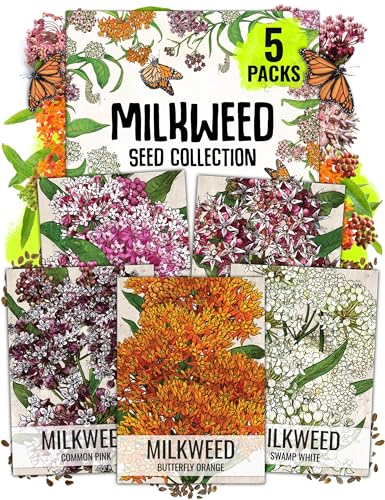
Seed Needs offers a diverse five-pack that includes Showy Milkweed (Asclepias speciosa), Pink Swamp Milkweed (Asclepias incarnata), White Swamp Milkweed (Asclepias incarnata), Orange Butterfly Milkweed (Asclepias tuberosa), and Common Milkweed (Asclepias syriaca). This blend supports monarch larval hosts and adult nectar sources, contributing to biodiversity in a garden or restoration project. The collection emphasizes ecological importance by providing both foliage for caterpillars and flowers for pollinators, making it a versatile option for starting or expanding a monarch habitat.
Gardeners Basics Milkweed Seeds Four Variety Pack
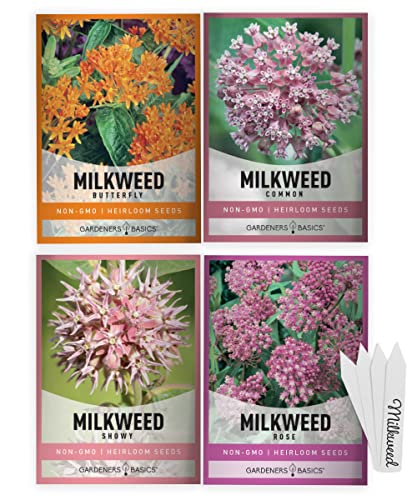
The Gardeners Basics collection includes four distinct milkweed varieties—rose, butterfly, common, and showy—designed to appeal to monarchs and other pollinators. This assortment supports a pollinator garden by providing a range of bloom times and nectar sources, which can help sustain monarchs through different seasons. The emphasis on multiple milkweed types also mirrors natural habitat diversity, potentially improving success in various garden settings.
Generic Pink Milkweed Live Plants

These Pink Milkweed live plants arrive as small transplants, typically 4-6 inches tall, ready to establish in a garden bed. Pink milkweed is particularly valued for attracting monarchs, bees, and other pollinators. Planting established specimens can provide immediate visual impact while supplying ongoing nectar and a monarch larval host. The product emphasizes careful packing and nursery provenance to maximize transplant success and long-term garden viability.
HOME GROWN Monarch Butterfly Wildflower Seeds Mix

This extensive mix from HOME GROWN targets pollinator habitats with over 20,000 seeds, combining milkweed with nectar-rich wildflowers. The blend supports monarchs and other pollinators across spring to fall color, promoting biodiversity. The seeds are described as easy to grow, with a broad flowering timeline and annual-to-perennial behavior that can re-seed and sustain a meadow-like garden with minimal maintenance, suitable for both beginners and experienced gardeners.
Showy Milkweed Seeds for Planting
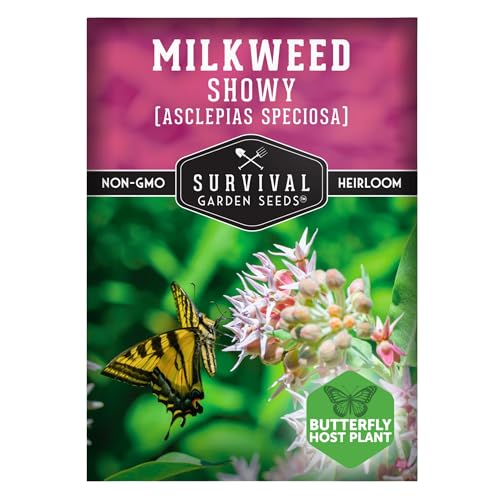
Showy Milkweed (Asclepias speciosa) seeds are native to North America and valued for monarch larval support and drought tolerance. These seeds thrive in USDA zones 3-9 and are well-suited for prairie restoration, xeriscaping, and butterfly borders. Mature plants produce fragrant pink-purple blooms from summer into early fall, attracting pollinators. This option emphasizes native, open-pollinated genetics with high germination potential, making it a robust addition to a monarch-focused garden.
Buying Guide
Choosing the right milkweed involves considering growth form, climate, and garden goals. Key purchase considerations include:
- Host vs. nectar balance: Monarchs need both milkweed for larvae and flowers for nectar. A mix of varieties can support all life stages.
- Seed vs. live plants: Seeds offer cost savings and long-term resilience but require more time and care to establish. Live plants provide instant habitat but may be pricier and less tolerant of rough shipping.
- Hardiness and climate: Select milkweed varieties suited to your USDA zone and seasonal rainfall to ensure overwintering survival and drought tolerance where needed.
- Growth habit and space: Dwarf forms suit small spaces; tall varieties fit larger beds or borders. Consider mature height and required sunlight.
- Ecological compatibility: Native species generally support broader local biodiversity and may better align with regional monarch migration patterns.
- Maintenance needs: Some options tolerate drought or poor soil, while others require consistent moisture. Assess your watering routine and soil quality.
- Bloom timing and nectar richness: Stagger bloom times with multiple varieties to provide a continuous nectar source throughout the season.
When comparing products, look for clear labeling of species, germination rates for seeds, and credible horticultural information about monarch host suitability. For restoration or educational projects, opting for native, open-pollinated seeds or certified nursery plants can improve long-term success and ecological value.