Zone 9 landscapes invite maple varieties that tolerate heat while delivering striking foliage and reliable growth. The following picks include red maples and Japanese maples that perform well in warmer regions, offering color, shade, and landscape focal points. Below is a quick starter table of five options and what to expect from each in Zone 9 conditions.
| Product | Brand | Zone Compatibility | Typical Size |
|---|---|---|---|
| American Red Maple Shade Tree | DAS Farms | Zones 3–9 | 3 Feet to 5–6 Feet |
| Sun Valley Red Maple | DAS Farms | Zones 3–9 | 1–2 Feet |
| Red Maple Tree (Arbor Day Foundation) | Arbor Day Foundation | Zones varied; often grows well in 3–8; check state rules | 1 Gallon Container |
| Bloodgood Japanese Maple | Japanese Maples and Evergreens | Typically Zones 5–8 | 2-Year Live Plant |
| Kamagata Japanese Maple | Japanese Maples and Evergreens | Zones 5–8 | 1-Year Live Tree |
American Red Maple Shade Tree – DAS Farms
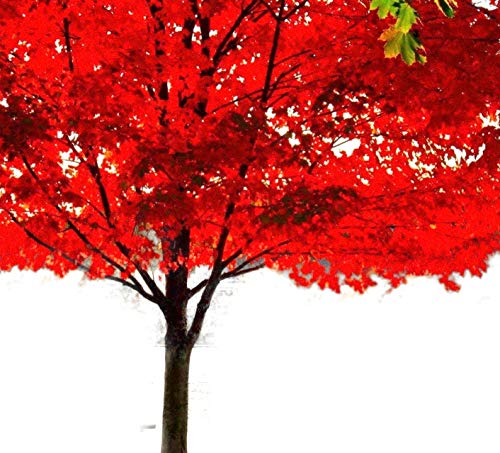
This live plant ships around 3 feet tall and is described as ready to plant with included instructions upon arrival. It’s a deciduous tree that will shed leaves in winter, providing strong seasonal structure. It thrives in zones 3 through 9 with full sun, making it a versatile choice for Zone 9 landscapes seeking robust autumn color and quick shade development. The listing notes that California orders are regulated, and shipped plants may vary in leaf presence during winter. Consider this option for reliable red maple performance across a broad climate range.
Sun Valley Red Maple – DAS Farms

The Sun Valley Red Maple ships as a small live plant (1 to 2 feet) and is described as ready to plant with straightforward ground insertion per included instructions. It is zone-hardy from 3 through 9 and tolerates full to part sun. In Zone 9, expect a gradual establishment with vibrant fall color that complements warm-season plantings. The listing indicates that California orders will be bare root due to regulations, which may influence transplant timing and care considerations. This option emphasizes rapid color development as the tree matures.
Red Maple Tree, Arbor Day Foundation

This 1-gallon red maple offers fall color with vibrant foliage, typically transitioning to reds and oranges in autumn. It’s established in a smaller container, which minimizes transplant shock. The listing notes CA and AZ restrictions on availability; in Zone 9 landscapes, this maple can serve as a focal point or a foundation tree. Expect a growth trajectory toward a sizable canopy as it matures, with seasonal color benefits that enhance curb appeal and shade potential.
Bloodgood Japanese Maple Tree

The Bloodgood is a classic Acer palmatum Japanese maple with deep red to burgundy foliage across seasons. This is listed as a 2-year live tree, professionally grown, rooted, and ready to plant. Japanese maples often prefer partial shade and well-drained soil, particularly in hotter Zone 9 climates. It makes a striking accent tree or specimen specimen in a courtyard or woodland-inspired garden. While it offers dramatic leaf color, it may require more attention to sun exposure and irrigation compared to broadleaf maples.
Kamagata Japanese Maple

The Kamagata Japanese Maple is described as a 1-year live tree with vibrant spring growth and delicately changing leaves. This cultivar is well-suited for ornamental use, bonsai potential, and container gardening, which can be advantageous in Zone 9 settings where heat and sun intensity vary. As with other Japanese maples, provide partial shade during the hottest part of the day and ensure well-drained soil. This option offers a refined, compact form suitable for smaller spaces or discreet landscape corners.
Large American Red Maple Shade Tree – DAS Farms

This listing features a larger young specimen, described as a live plant that ships 5 to 6 feet tall. It notes readiness for ground planting and full to part sun. California shipments may be bare root due to state regulations. In Zone 9, a 5–6 foot maple can establish quickly, offering substantial shade and a dramatic seasonal color display, especially in landscapes that balance heat tolerance with strong autumn character.
Buying Guide: Maple Trees For Zone 9
Key considerations help ensure maple selections thrive in Zone 9’s warm, sun-drenched conditions. First, assess sun exposure: many maples tolerate full sun in cooler mornings but prefer partial shade during peak afternoon heat. Soil drainage matters heavily; maples dislike compacted, waterlogged soil, so improve moisture management where needed. Watering frequency is crucial during establishment—plan on consistent moisture until roots take hold, then adjust to local rainfall and heat.
Species differences provide options for style and color. Red maples offer bold autumn color and rapid shade, while Japanese maples deliver refined form and striking foliage color but may require more shade and specialized soil conditions. For Zone 9, selecting varieties marketed for heat tolerance and drought resilience improves long-term success. Also consider size at maturity to ensure the tree fits the landscape without overwhelming neighboring structures.
Maintenance varies. Japanese maples often benefit from mulching to protect roots from heat and from occasional pruning to maintain shape. Red maples may require periodic pruning to manage growth and ensure balanced canopy structure. It’s important to review shipping and regulatory notes for your state, as several listings indicate restrictions to certain regions. If you plan to group maples for a shaded understory, stagger planting and monitor for root competition.
Purchase considerations include root type (bare root versus container-grown), shipment timing, and the source’s guarantees or return policies. Look for reputable sellers who provide care instructions with arrival and consider starting with a container-grown plant in Zone 9 to ease establishment. Finally, align plant selections with landscape goals—dramatic fall color, quick shade, or a sculptural focal point—to maximize curb appeal and environmental benefits in warm climates.