Gardening and lawn care can be easier with the right weed barrier paper. Biodegradable options help suppress weeds while allowing air and water to reach the soil, reducing maintenance and plastic waste. This guide highlights five top biodegradable paper weed barriers designed for outdoor gardens, beds, and lawns. Each option combines durability with eco-friendly degradation, making them suitable for long-term landscaping projects in American yards.
| Product | Brand | Size / Coverage | Notes |
|---|---|---|---|
| Biodegradable Weed Barrier, 4 x 100 Ft | AGEGOMIC | 4 x 100 ft | Heavy-duty kraft paper with natural degradation |
| 4 x 100Ft Biodegradable Weed Barrier | Topfurn | 4 x 100 ft | Breathable, biodegradable paper mulch |
| EXTRAEASY Garden Weed Barrier Landscape Fabric | EXTRAEASY | 1.4 ft x 50 ft | Woven polypropylene, high permeability |
| Biodegradable Weed Barrier, 4 x 300 ft | AGEGOMIC | 4 x 300 ft | Extended coverage, kraft paper, soil-friendly |
| Biodegradable Paper Weed Barrier, 3 x 100 Ft | Kerty | 3 x 100 ft | Plastic-free, natural kraft paper |
AGEGOMIC Biodegradable Weed Barrier 4 x 100 Ft

The AGEGOMIC biodegradable weed barrier is a heavy-duty kraft paper layer designed to protect soil while degrading naturally. It uses reinforced cellulose fibers to resist wind and debris during bed preparation, yet remains breathable to support soil respiration. Over time, it composts into the earth, adding organic matter to the soil. This helps create a stable microclimate for seedlings and established plants alike.
Its open-fiber structure balances airflow with gentle shading, allowing air, water, and some light to pass through. This helps maintain soil moisture without suffocating roots. As the material breaks down, microorganisms release organic compounds that nourish soil biology, improve texture, and improve water retention, contributing to healthier garden beds over the season.
Topfurn 4 x 100Ft Biodegradable Weed Barrier

This weed barrier uses 100% natural pulp paper and is designed to biodegrade after use, blending into the soil without pollution. It effectively controls weed growth, protecting crops, vegetables, and outdoor garden lawns. The barrier is breathable, reducing moisture evaporation and helping seedlings stay warm and hydrated. It creates a favorable microenvironment for plant development while minimizing maintenance requirements.
The paper mulch barrier supports a healthy growing environment by allowing air flow and water movement while blocking sunlight to germinating weed seeds. It also reduces surface evaporation, helping maintain soil moisture and warmth for roots. When it degrades, it contributes organic material to the soil, aligning with eco-friendly gardening practices.
EXTRAEASY Garden Weed Barrier Landscape Fabric
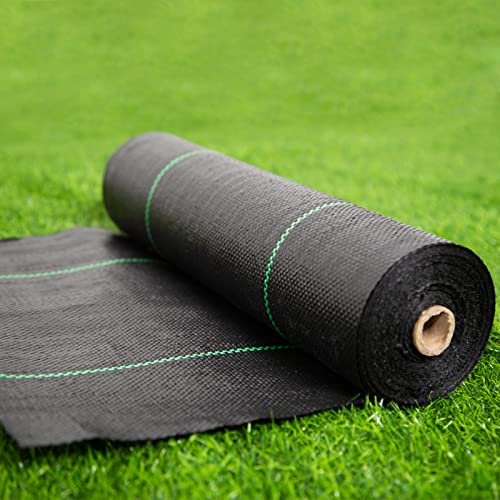
EXTRAEASY offers a premium weed barrier fabric crafted from thick polypropylene woven material. It provides long-lasting weed control while remaining durable under foot traffic and weather exposure. The fabric is 1.4 feet wide, making it suitable for narrow vegetable beds, flower borders, ground covers, and raised beds without excessive cutting.
Permeability is a key feature, allowing air, water, and soil nutrients to reach the root zone. This improves soil health while reducing weed pressure. The material’s weave ensures weeds cannot establish, yet roots can still access moisture and oxygen, supporting steady plant growth across various landscape projects.
AGEGOMIC Biodegradable Weed Barrier 4 x 300 Ft
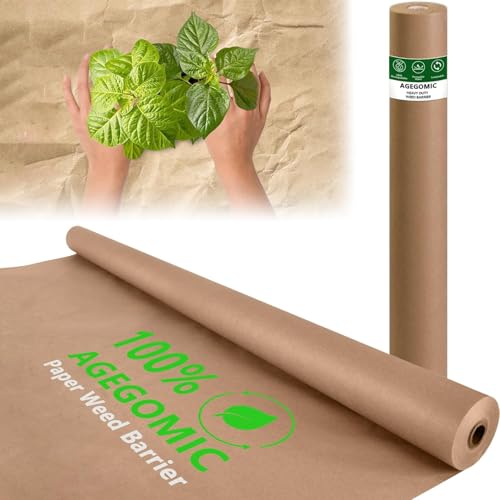
This extended-length barrier mirrors the features of the shorter AGEGOMIC option but covers larger areas with the same biodegradable kraft paper construction. It provides durable soil protection, wind resistance, and breathability for natural soil respiration. The material gradually breaks down, enriching the soil with organic matter and supporting long-term bed health.
Balanced airflow and shading assist in maintaining stable soil moisture levels, which helps seedlings and mature plants alike. Microorganisms progressively break down the kraft paper, releasing nutrients that improve soil texture and support nutrient cycling—ideal for revitalizing depleted gardens or maintaining fertile beds.
Kerty Biodegradable Paper Weed Barrier 3 x 100 Ft

Kerty’s paper weed barrier uses reinforced natural kraft paper, offering a plastic-free solution for bed preparation. It provides a stable, wind-resistant surface while allowing soil to breathe and retain moisture. As it biodegrades, it adds nutrient-rich organic matter to the soil, supporting healthier plant growth and reducing maintenance. This barrier is ideal for vegetables, flowers, and herbs seeking an eco-conscious weed-control method.
The material blocks sunlight to prevent weed seed germination while remaining breathable to protect soil health. Over time, the paper slowly returns nutrients to the soil, promoting steady growth and reducing the need for chemical interventions. It’s a simple, sustainable option for gardeners aiming to minimize plastic waste.
Buying Guide: Key Purchase Considerations
- Biodegradability vs. durability: Higher-density kraft paper lasts longer before breaking down, but still degrades, while woven fabrics may resist degradation for many seasons.
- Breathability and water flow: Choose barriers that allow air and moisture to reach plant roots to prevent soil compaction and water stress.
- Coverage and layout: Measure beds and plan for overlaps to ensure full weed suppression without gaps that allow weed growth.
- Soil health benefits: Some barriers slowly enrich soil as they decompose; others are inert. Consider long-term soil nutrition goals.
- Environmental impact: Plastic-free or biodegradable options reduce waste and are easier to remove at season end.
- Application ease: Wider sheets or pre-scored dimensions simplify installation; consider the terrain and weed pressure.
- Compatibility with plants: Ensure the barrier’s shading is suitable for the crops planned; too much shading can affect seedlings.
Across these options, gardeners balance durability, degradation rate, soil enrichment, and ease of use. For large, sun-exposed plots, longer 300 ft rolls minimize seams, while 4 x 100 ft options suit mid-sized beds. Woven fabrics offer superior tear resistance in high-traffic areas but may differ in degradability. Ultimately, the best choice depends on project size, climate, and the preference for plastic-free mulch versus longer-lasting fabric.