Choosing the right lake water filter for irrigation helps protect sprinkler heads, pumps, and plants while reducing maintenance. This guide highlights five top options suited for lake or pond water, explaining how each unit handles debris, algae, and sediment. Learn how to select a setup that fits your lake size, flow needs, and maintenance goals.
Summary of Selected Products
| Product | Brand | Capacity / Type | Key Benefit |
|---|---|---|---|
| Shore-Tech 40 Gallon Big Foot Filter with Filter Matting | Shore-Tech Industries | 40 GPM; Heavy-Duty PVC; Bulk Filter Matting | High flow and washable matting reduce clogs |
| Shore-Tech 40 Gallon Big Foot Filter with Check Valve | Shore-Tech Industries | 40 Gallon; 2″ Check Valve; Bulk Filter Matting | Includes check valve to control backflow |
| Shore-Tech 80 Gallon Big Foot Filter | Shore-Tech Industries | 80 Gallon; 2″ suction; 12″ outside screen | Higher capacity for larger systems |
| Rusco 1-1/2″ Spin Down Separator | Rusco | 50 GPM; Spin-down sediment separator | Ease of flushing sediment buildup |
| H2O PRO Spindown Sediment Filter | Star | 1″ to 1-1/2″ piping; Clear body | Visible sediment for timely maintenance |
Shore-Tech 40 Gallon Big Foot Filter with Filter Matting

The Shore-Tech 40 Gallon Big Foot filter uses a two-screen filtration system with a 6″ outer screen and a 2″ inner screen, featuring 1/8″ slots and a total open area of 20 square inches. This design captures small debris that can clog sprinkler heads without sacrificing flow. It ships with 2″ thick bulk filter matting that is removable for washing and reuse, helping to extend pump life in lake environments. The unit is constructed from durable heavy-duty PVC, designed for long seasons of operation with minimal maintenance in harsh lake and pond settings.
Ideal for moderate irrigation setups behind lake-fed pumps, this filter balances filtration efficiency with a straightforward maintenance routine. The combination of a replaceable bulk mat and a robust PVC body makes it a practical choice for homeowners managing pond-to-land irrigation, where algae and debris are common concerns.
Key considerations: verify your pump’s flow rate to ensure 40 GPM is sufficient, confirm compatibility with your existing fittings, and plan routine mat cleaning to prevent buildup during peak irrigation periods.
Shore-Tech 40 Gallon Big Foot Filter with Check Valve
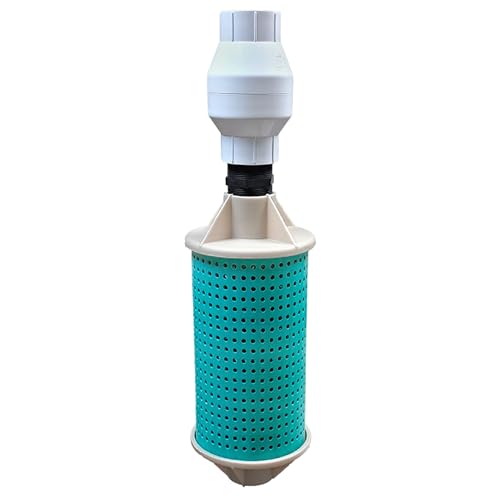
This version adds a 2″ threaded check valve to help regulate flow and guard against backflow—an important feature when securing lake water for irrigation in environments with variable pressures. It includes the same 2″ thick reusable bulk filter matting and a 12″ outside screen with a 6″ inside screen, enabling effective debris removal while maintaining a robust flow. The 40-gallon capacity remains a practical option for many pond-to-irrigation configurations.
Considerations include ensuring the check valve orientation matches your piping layout and that the bulk matting can be easily replaced during seasonal maintenance. Regular inspections help prevent algae and sediment from reaching sprinkler heads.
Shore-Tech 80 Gallon Big Foot Filter
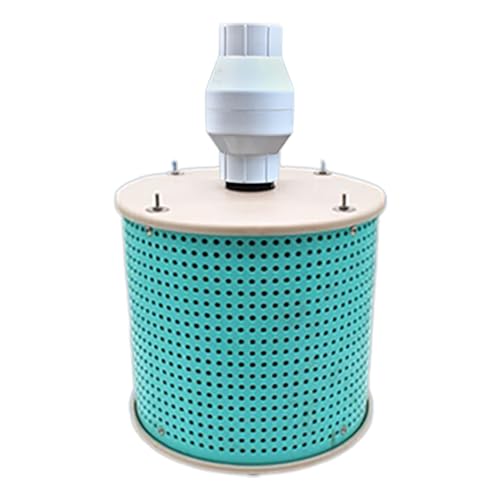
The 80 Gallon Big Foot Filter offers a larger filtration capacity, featuring a 2″ suction connection compatible with common 2″ fittings and a 12″ outside screen paired with a 6″ inside screen. This model is designed for higher flow applications, including larger lake or pond irrigation setups where longer run times and greater debris loads are anticipated. The included 2″ thick bulk matting remains reusable and replaceable, preserving filtration efficiency over extended irrigation seasons.
Suitable for bigger lawns or farms surrounding a lake, this unit reduces maintenance frequency compared to smaller filters. Potential trade-offs include higher initial cost and space requirements, so assess site dimensions and potential wind or weather exposure when mounting.
Rusco 1-1/2″ Spin Down Separator
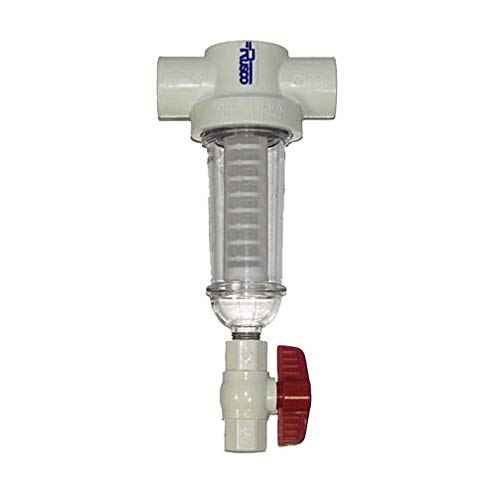
The Rusco spin-down separator uses a 1-1/2″ connection and is rated around 50 GPM, designed to remove sand and sediment before it reaches pumps and irrigation lines. Spin-down filtration allows for straightforward flushing, enabling operators to clear collected sediments quickly and reduce maintenance downtime. The unit’s compact form makes it a good fit for smaller pump stations or retrofits where space is limited.
Consider that spin-down filters require periodic flushing to maintain performance. The visible sediment through a clear body helps operators gauge when a flush is due, contributing to consistent irrigation performance and pump longevity.
Merrill MFG 1-Inch Spin Down Sediment Filter
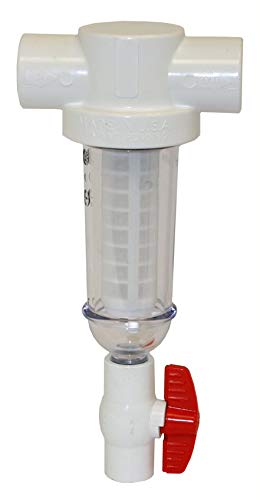
This 1-inch spin-down sediment filter by Merrill features a PVC T-style build with a 100-mesh screen, designed for well and irrigation filtration. It supports 1″ slip connections and handles modest flow rates (1–20 GPM), making it suitable for smaller irrigation setups or as a pre-filter stage for lake water systems. The 100-mesh filtration efficiently captures finer sand and sediment before reaching sprinklers.
Key considerations include matching flow rate expectations with your irrigation schedule and ensuring compatibility with existing piping, along with routine inspection to catch any clogging signs early.
1-1/2″ Spin Down Sediment Replacement Screens

Replacement screens for 1-1/2″ spin-down filters provide a cost-effective way to refresh filtration without replacing the entire unit. The 1.56″ diameter by 8.07″ length construction supports robust sediment removal in well and lake-fed irrigation systems. Materials claim PP and food-grade filter media to resist chemical erosion while maintaining performance over time.
Useful guidance includes stocking extra screens for seasonal changes in sediment load, and confirming the replacement parts are compatible with your spin-down model to ensure a proper fit and seal.
Buying Guide: Lake Water Filtration For Irrigation
- Water source and debris load: Lake water often carries algae, sediment, and organic matter. Spin-down filters excel at removing larger sediments, while bulk-mat filters capture finer debris before reaching spray heads.
- Flow rate and pump compatibility: Match the filtration capacity with your irrigation demand. Higher-capacity filters suit larger systems but require more space and maintenance planning.
- Maintenance and access: Choose filters with easy access for flushing, mat replacement, and screen cleaning. Consider visible sediment indicators for proactive maintenance.
- Backflow prevention: If water is drawn from a lake near vegetation or livestock, a check valve can prevent backflow and protect the system from pressure fluctuations.
- Material durability: Heavy-duty PVC and stainless components withstand outdoor exposure, temperature swings, and algae-rich environments typical of lakes and ponds.
- Installation footprint: Larger filters provide higher capacity but require more space. Evaluate proximity to pumps, power sources, and piping when planning installation.
- Replacement parts and consumables: Availability of bulk-filter matting, replacement screens, and replacement components reduces downtime and maintenance complexity.
- System integration: Ensure chosen filters can pair with existing fittings, suction lines, and 2″ or 1-1/2″ plumbing common in lake irrigation setups.