Japanese maples (Acer palmatum) add dramatic color, elegant form, and filtered shade to any landscape. This guide highlights five reliable varieties and seed options that perform well in shaded areas, offering beauty from spring through fall. Each selection is evaluated for growth habit, color, and suitability for common shade conditions.
| Product | Brand | Key Benefit |
|---|---|---|
| METAMORPHOSA Japanese Maple Acer Palmatum 4" Pot | Hirt’s Gardens | Proven Winners line with broad suitability for partial shade |
| Osakazuki Japanese Maple 2-Year Graft | Japanese Maples and Evergreens | Iconic, highly regarded fall color |
| Japanese Red Maple Compact 3 gal Nursery Pot | Generic | Compact habit for smaller shade spots |
| Sango Kaku Coral Bark Maple 1 gal | Generic | Striking winter bark with vibrant fall color |
| Aureum Japanese Maple | Japanese Maples and Evergreens | Bright leaf color with red edges and orange centers |
Note: Availability and shipping constraints may apply to certain regions. Always verify local regulations before planting or shipping maples.
METAMORPHOSA Japanese Maple Acer Palmatum

Brand: Hirt’s Gardens. This 4" pot maple is part of the Proven Winners family, offering reliable performance in zones 5b–8. It tolerates full sun to part shade, with mature heights commonly ranging between 5 to 13 feet depending on cultural conditions. It is well-suited for shaded borders or accent specimens that require color or texture without overpowering a small landscape.
Osakazuki Japanese Maple 2-Year Graft

Brand: Japanese Maples and Evergreens. Osakazuki is celebrated for its striking fall color and large, elegant leaf forms. This grafted maple has a strong reputation, often earning praise from gardening societies. It performs best in partial shade where hot sun is moderated, and it is noted for its size range among the larger landscape maples, providing both shade and drama in autumn.
Japanese Red Maple Compact 3 gal Nursery Pot

Brand: Generic. This compact red maple is ideal for shaded patios or small yards. Its spreading growth habit makes it suitable as a focal point or underutilized corner plant, where color accents provide rich contrast against greens and grays of surrounding plantings. Note the shipping caveat common to certain states in the listing.
The Japanese Sango Kaku Green Maple, Coral Bark Maple

Brand: Generic. This Sango Kaku variant features distinctive coral-red bark with vibrant autumn foliage. While often marketed for beauty in winter, Sango Kaku also thrives in partial shade where it can develop strong branch structure and a dramatic year-round silhouette. It’s suitable for mid-sized shade gardens and entryways seeking seasonal color.
The Japanese Sango Kaku Maple, Coral Bark, 1 gal
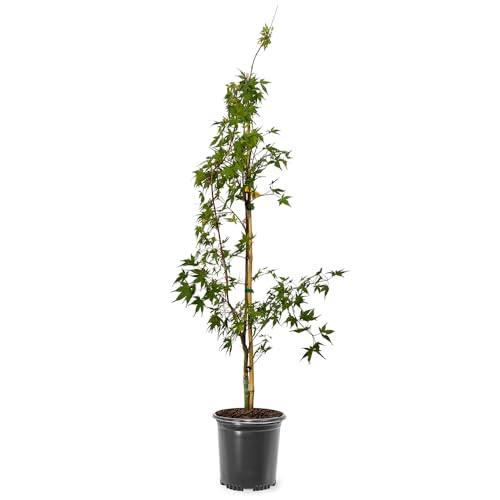
Brand: Generic. Another Sango Kaku option featuring green leaves with coral bark, described as drought-tolerant. This cultivar maintains a graceful habit in shade, providing winter interest with its bark and colorful fall display. This option emphasizes resilience in lower light and drier soils typical of partial shade landscapes.
10 Japanese Maple Tree Ornamental Acer Palmatum Seeds

Brand: Generic. A seed-based option featuring ten Acer Palmatum seeds with color-instruction details. While seeds establish more unpredictably than nursery stock, they enable exploration of color transitions from green to red and orange in fall. Planting often requires stratification and patience but can be a rewarding intro to maples in shaded spaces.
Buying Guide: Key Purchase Considerations For Shade-Ready Japanese Maples
- Light tolerance: Maples vary from full shade to partial sun. For shade, choose varieties that are known to tolerate or prefer dappled light, ensuring strong growth without leaf scorch.
- Size and mature habit: Consider eventual height and width to avoid crowding foundations or competing roots. Compact cultivars are ideal for smaller patios or narrow borders.
- Color longevity: Some maples show stronger leaf color in spring and fall, while others rely on bark or fall foliage. If shade is variable, diversify with varieties that offer year-round interest (bark, fruiting structure, or fall color).
- Soil and moisture: Many Acer palmatum prefer well-draining, slightly acidic soil. Ensure consistent moisture without waterlogging, especially in partially shaded, exposed sites.
- Maintenance: Some maples require pruning to maintain shape or remove dead wood. Shadier locations can reduce growth vigor, so minimal, regular pruning is often best for aesthetics and health.
- Hardiness and zones: Check hardiness zones specific to each cultivar to ensure winter survivability in your region. Some selections are better suited for zones 5–8, while others may have narrower ranges.
- Pest and disease considerations: Leaf scorch, aphids, and spider mites can affect maples under stress. Adequate irrigation, mulching, and occasional horticultural oil can help manage pest pressure in shade gardens.
When choosing, assess your site’s light pattern, soil quality, and space. The selections above provide a spectrum of shade-friendly options—from compact forms to dramatic bark and fall color—so you can craft a balanced, visually engaging shaded landscape.