Botanical propagation relies on effective rooting hormones to turn cuttings into thriving new plants. This article highlights five widely available products designed to promote root initiation, improve establishment, and reduce transplant shock. Each option uses a different delivery method—powder, gel, and liquids—so you can choose the format that best fits your gardening routine and plant types.
Summary of selected products
| Product | Brand | Format | Best For |
|---|---|---|---|
| Garden Safe TakeRoot Rooting Hormone | Garden Safe | Powder | General cuttings and greenhouse varieties |
| Bontone II Rooting Powder | Bonide | Powder | Speedy rooting for ornamentals, vegetables, fruit trees |
| Houseplant Prop Drops | HOUSEPLANT RESOURCE CENTER | Liquid | Hydroponic and soil propagation for houseplants |
| Clonex Rooting Gel | Clonex | Gel | Soft tissue cuttings across diverse plant types |
| Root Drops (Southside Plants) | Southside Plants | Liquid | Versatile liquid for water, soil, and alternative substrates |
The following sections dive into each product’s key features, how to use them, and what to consider when choosing a rooting hormone for your garden. All descriptions are based on product-listed features and common propagation practices.
Garden Safe TakeRoot Rooting Hormone
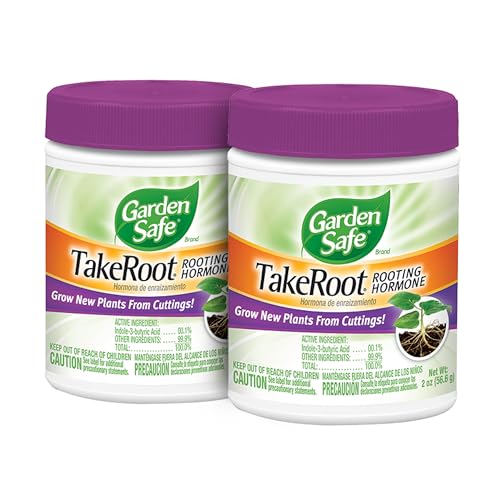
Garden Safe TakeRoot is a powder rooting hormone formulated to encourage new plant growth from cuttings. Its active ingredient, Indole-3-butyric acid, mirrors the natural hormones plants produce to initiate root formation. To apply, moisten the cutting end, dip it into the powder, and shake off any excess before planting. This straightforward method is compatible with a wide range of home, garden, and greenhouse varieties. Powder formats like TakeRoot are popular for quick, tactile dipping of cut ends and offer a familiar, inexpensive propagation option for hobbyists.
Bonide Bontone II Rooting Powder

Bonide Bontone II Rooting Powder is a ready-to-use dust designed to speed root development from cuttings. The powder method is simple: dip the cutting end into the powder and place it in moist soil to support rooting. It is advertised for use not only with cuttings but also with seeds or bulbs when coated and stored in a bag. This product targets a broad set of uses, including ornamentals, vegetables, fruit trees, and berries, providing a versatile rooting aid for mixed gardens and container plant projects.
Houseplant Prop Drops

Prop Drops from Houseplant Resource Center are a liquid root growth promoter designed for both water and soil propagation. This product emphasizes a natural approach by leveraging seaweed extract and humic acids to support rapid root growth, reduce transplant shock, and strengthen stems and foliage. It’s marketed as safe and effective for a variety of indoor plants, with the advantage of easy use—no powders or messy mixing. The formula is shelf-stable for two years and includes a Plant Guide PDF for propagation best practices.
Clonex Rooting Gel
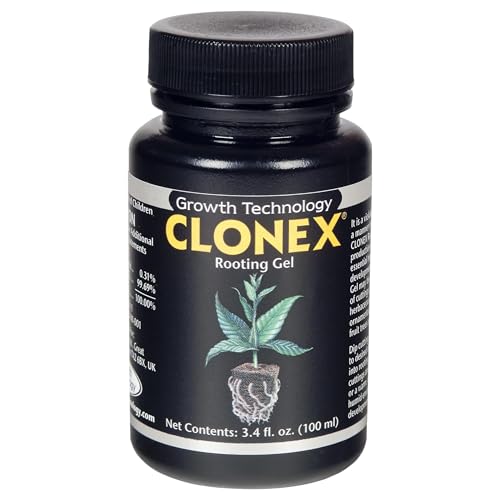
Clonex Rooting Gel is a high-performance, water-based gel that contains an optimal level of IBA to promote root initiation and development. It is versatile across soft-tissue plant cuttings and a wide range of plant types. Application is simple: dip the cutting into the gel, insert into the rooting medium, and maintain a warm, moist environment. Root development can vary by plant species, making this a strong choice for researchers and hobbyists seeking reliable, consistent results for delicate cuttings as well as hardy species.
RootBoost Rooting Hormone 2 Ounces

RootBoost Rooting Hormone by Gardentech focuses on foundational rooting needs for cuttings, with a straightforward “snip, dip, and plant” approach. The product’s stated use centers on kickstarting root formation in a way that supports quick establishment of new transplants. As a powder or liquid alternative, RootBoost offers a practical option for growers seeking a no-fruss, efficient rooting boost integrated into routine propagation tasks.
Root Drops – Liquid Rooting Vitamins

Root Drops by Southside Plants combine rooting vitamins with a 0.025% Indole Butyric-3 acid base, designed to accelerate and optimize root growth. The liquid formula is versatile for water propagation, soil transplants, and substrates such as LECA or moss. It’s promoted as reducing transplant shock, helping cuttings transition to new pots more smoothly, and supporting stronger, more resilient roots during early development. The dropper format allows precise dosing across diverse propagation setups.
Buying Guide
When selecting a rooting hormone, gardeners should consider plant type, propagation method, and desired level of control over the rooting process. Powder formulations are quick and easy for dipping cut ends, but gels and liquids can offer more consistent coating and deeper penetration for challenging species. A few key considerations:
- Cutting type: Softwood vs hardwood cuttings may respond differently to IBA concentrations. For delicate or tropical plants, a gel or liquid formula may yield steadier results.
- Propagation method: Water, soil, or substrate-specific propagation (LECA, sphagnum moss) can influence the best product choice. Liquids and gels often work well across methods, while powders excel with direct end-dipping in soil.
- Concentration and safety: Higher IBA levels are not always better. Follow label directions and use the minimum effective amount to reduce burn risk on delicate tissues.
- Additional benefits: Some products include nutrients or seaweed extracts to support overall plant vigor, which may help cuttings establish faster and resist stress.
- Storage and access: Shelf stability and ease of application matter for frequent propagators. Liquids with dropper bottles can simplify dosing for repetitive tasks.
In practice, a diverse propagation toolkit often yields the best results. A powder rooting hormone can work well for standard cuttings and quick-dip applications, while a liquid or gel option provides flexibility across plant types and substrates. Purchasing a mix of formats allows gardeners to test which product aligns with their plants, environment, and routine, achieving reliable rooting without excessive handling or guesswork.