For slopes and banks, choosing the right grass seed mix matters for erosion control, quick establishment, and long-term durability. The following selections are focused on steep or uneven terrain, drought tolerance, and performance on sun-exposed or partially shaded slopes. Each product below is accompanied by key features to help you compare options for hillside landscaping, hillside stabilization, or slope repair in American yards.
| Product | Brand | Key Benefit | Ideal For |
|---|---|---|---|
| Pennington Smart Seed Clover and Grass Mix | Pennington | Self-fertilizing clover with quick establishment | Slopes and hills; pollinator-friendly mix |
| Scotts EZ Seed Patch & Repair Sun & Shade | Scotts | All-in-one patch repair with mulch and fertilizer | Bare spots, challenging sun/shade, slopes |
| Scotts PatchMaster Lawn Repair Mix Sun + Shade | Scotts | Mega repair kit with seed, mulch, and fertilizer | Bare spots on slopes and mixed sun/shade |
| Jonathan Green Black Beauty Sunny Grass Seed | Jonathan Green | Heat-tolerant cool-season mix with drought resilience | Slopes with southern exposure |
| Scotts Turf Builder Rapid Grass Tall Fescue Mix | Scotts | Fescue-based mix grows 2x faster than seed alone | Large problem areas and new lawns, incl. slopes |
Note: All products listed address slope or bank conditions with a mix designed for quick establishment, erosion control, and durability in challenging terrain. Always follow site preparation steps, including proper grading, soil conditioning, and Water Management best practices for best results.
Scotts Turf Builder Rapid Grass Tall Fescue Mix
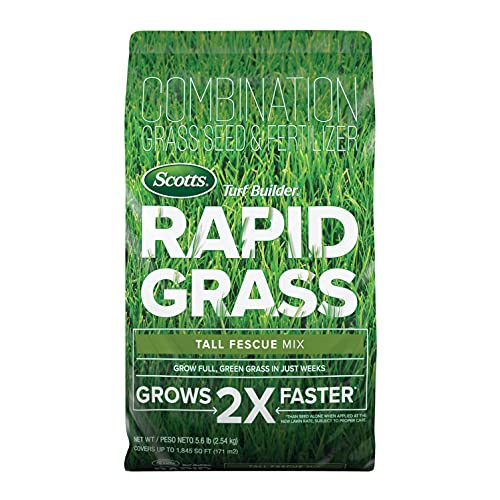
Scotts Turf Builder Rapid Grass Tall Fescue Mix combines seed and lawn food in one, designed to establish tall fescue grasses rapidly. The mix claims growth up to twice as fast as seed alone when applied at the recommended new-lawn rate, provided proper care is followed. It is marketed for overseeding large problem areas and establishing new grass, which can be particularly helpful on slopes where soil compaction and erosion are concerns. Users should expect a relatively resilient, deep-rooting fescue stand that tolerates drought once established and that can withstand some foot traffic along gentler slope sections.
Scotts Kentucky 31 Grass Seed Mix
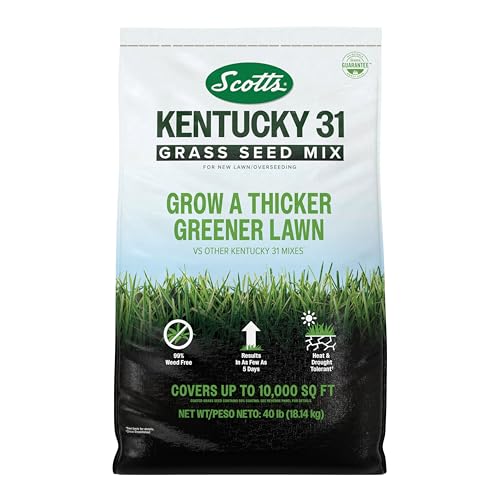
Scotts Kentucky 31 Grass Seed Mix blends premium tall fescue with annual ryegrass and Kentucky 31 components. This mix aims to deliver a dense, dark-green lawn with heat and drought tolerance. It is suited for full sun and moderate shade, making it a versatile option for slopes that receive varying light exposure throughout the day. The combination of grasses helps balance rapid ground cover with long-term durability, which is valuable on banks and slopes prone to runoff.
Scotts PatchMaster Lawn Repair Mix Sun + Shade

PatchMaster combines lawn seed, mulch, and fertilizer to repair bare spots and patches, including slopes with sun and shade exposure. The included recycled mulch helps retain moisture and holds seed in place, which is beneficial on slopes where wind and runoff can hinder germination. The product is designed to start growing in about seven days and provides continued feeding for up to six weeks, supporting rapid establishment across uneven terrain.
Pennington Smart Seed Clover and Grass Mix

Pennington Smart Seed Clover and Grass Mix features self-fertilizing Durana clover integrated with turf grass. This mix establishes quickly and can persist for years, even on slopes and hills. The inclusion of clover adds nitrogen-fixing benefits, potentially reducing maintenance needs while improving soil health on banks. It also offers pollinator-friendly value, supporting local ecosystems. The blend aims to balance rapid cover with long-term resilience, making it suitable for slopes that require stable ground cover and moderate tolerance to heat.
Additional Product Details
The selections above emphasize erosion control, rapid establishment, and resilience on slopes and banks. When evaluating options for hillside applications, consider seed size, root structure, drought tolerance, and how the mix handles sun/shade variance. Slopes often benefit from deeper-rooted varieties such as tall fescues and blends that include clover or other perennials to aid soil structure and moisture retention. Always prepare the soil by addressing compaction, ensuring adequate drainage, and planning for ongoing maintenance like mowing, watering, and occasional re-seeding to maintain slope integrity.
Buying Guide
Key purchase considerations for slope and bank seeding include climate, sun exposure, soil type, and erosion risk. The following perspectives help balance short-term performance with long-term stability:
- Sun exposure: Slopes facing full sun need heat-tolerant varieties with deep roots. For shaded slopes, look for mixes that tolerate partial shade or mixtures designed for sun/shade tolerance.
- Soil and drainage: Well-draining soils reduce erosion risk. Consider blends that include erosion-control mulch or soil-improving components to stabilize bare soil during germination.
- Root structure and longevity: Deep-rooted grasses like tall fescue provide better anchoring on slopes. Mixed blends that include perennials or clover can enhance soil structure and nitrogen availability.
- Establishment speed: If immediate ground cover is needed to prevent runoff, choose products advertised for rapid establishment or those that include mulch/fertilizer to support quick germination.
- Maintenance and durability: Slopes may require ongoing care. Choose seed mixes that tolerate drought, wind, and occasional foot traffic, and plan for seasonal reseeding if necessary.
- Environmental impact: Pollinator-friendly blends (including clover) support local ecosystems and may be preferable in residential landscapes.
In practice, a slope or bank project benefits from a multi-faceted approach: use a fast-establishing seed mix for initial cover, apply mulch or seed-enhancing products where offered, and follow up with a watering plan to ensure successful germination and establishment. For larger slopes, may require phased seeding and regular maintenance to sustain ground cover through seasonal changes. Always verify product compatibility with your specific climate and local soil conditions, and consult local extension services if erosion or drainage issues are substantial.