| Product | Brand | Size | Key Feature |
|---|---|---|---|
| Pennington Smart Seed Dense Shade Grass Mix | Pennington | 7 lb | Shade-tolerant mix of Tall Fescue and Fine Fescue with built-in fertilizer |
| Scotts Turf Builder Grass Seed Sun & Shade Mix | Scotts | 5.6 lb | Root-building nutrition for deep roots; thrives in sun and shade |
| Jonathan Green Black Beauty Dense Shade (3 lb) | Jonathan Green | 3 lb | Shade-tolerant, dark-green, fast germination with endophytes |
| Scotts Kentucky 31 Grass Seed Mix (5,000 sq ft) | Scotts | 5,000 sq ft | Blend of tall fescue and annual ryegrass for full sun and moderate shade |
| Pennington Kentucky 31 Tall Fescue Penkoted (7 lb) | Pennington | 7 lb | Durable Kentucky 31 tall fescue with thick blades for hot summers |
Finding grass seed that performs well in shaded areas can be challenging, but several blends are designed specifically for limited sunlight. The selections below emphasize shade tolerance, disease resistance, and steady germination. Each choice comes from reputable brands and is suitable for American lawns facing varying shade conditions.
Pennington Smart Seed Dense Shade Grass Mix
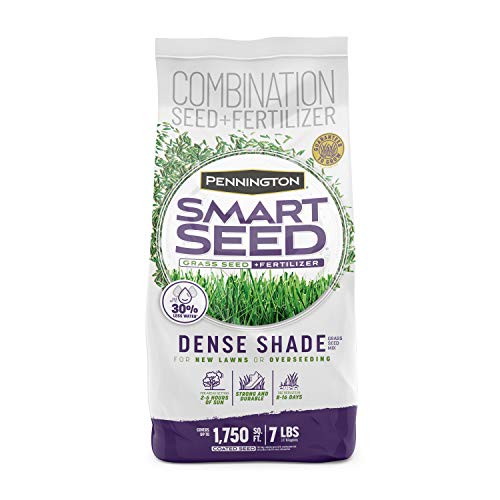
The Pennington Smart Seed Dense Shade mix combines Tall Fescue and Fine Fescue to thrive where sun exposure is limited. It is designed to grow thick, green grass in areas that receive little sunlight, helping to improve lawn density under trees or near structures. The formulation includes an appropriate amount of fertilizer to support establishment, aiming for a durable, shade-tolerant turf. Ideal for lawns with dappled shade or persistent overhangs, this blend emphasizes resilience in cooler, low-light environments.
Scotts Turf Builder Sun & Shade Mix

Scotts Turf Builder Sun & Shade Mix combines seed, fertilizer, and soil improver to support robust growth in both sunny and shaded areas. Designed to establish deep roots, this mix focuses on resilience and a stronger lawn. It tolerates a range of light conditions, including partial shade, making it a flexible option for mixed sunlight patterns in suburban lawns. Performance in drought-prone zones is moderate but improved by the included nutritional components that aid root development.
Jonathan Green Black Beauty Dense Shade (3 lb)

This shade-tolerant mix from Jonathan Green is designed for areas with limited sunlight, such as lawns shaded by trees or buildings. It aims to deliver a dark-green, dense turf with a quick germination window of 14–21 days and the presence of beneficial endophytes to support healthy growth. The kit is positioned for fast establishment and a visually appealing lawn under trees or near structures where light penetration is reduced.
Jonathan Green Black Beauty Dense Shade (1 lb)

The 1-pound version of the same Black Beauty Dense Shade mix provides a compact option for smaller lawn areas or patch repair under shaded conditions. It emphasizes shade tolerance, dark green color, and quick establishment within a similar germination timeframe. This product is suitable for homeowners targeting quick revitalization of shadowed patches without a full lawn renovation.
Scotts Kentucky 31 Grass Seed Mix

This Scotts mix blends Premium Tall Fescue with Annual Ryegrass to boost establishment velocity and provide a thicker, greener lawn. It is designed for full sun and moderate shade, offering a balance of drought tolerance and weed resistance. The mix targets homeowners seeking rapid coverage for new lawns or overseeding projects where sunlight varies across the yard.
Pennington Kentucky 31 Tall Fescue Penkoted (7 lb)

Pennington’s 7-pound bag emphasizes the classic Kentucky 31 Tall Fescue, known for durability and economical lawn care. This blend supports thick, resilient blades that withstand hot summers and heavy rainfall, making it suitable for varied shade exposure when paired with proper watering and mowing practices. It is a straightforward choice for traditional Kentucky 31 fans seeking reliable performance in mixed sunlight conditions.
Buying Guide: Key Purchase Considerations
- Shade tolerance: Look for blends advertised as shade-tolerant, dense, or shade-ready. These products typically contain a mix of tall fescue, fine fescue, or ryegrass varieties curated for low-light performance.
- Germination and establishment: Consider germination times (often 7–21 days) and the expected establishment period. Endophyte-rich varieties may offer improved resilience against pests and diseases.
- Light conditions: Assess your lawn’s actual sunlight window. Some mixes tolerate partial shade, while others perform best with more sun. For very shady spots, prioritize dense shade or shade-tolerant blends.
- Water and drought tolerance: Shade reduces evaporation but can still require careful watering. Choose blends with moderate to high drought resistance if your yard experiences heat waves or limited irrigation.
- Soil preparation: Proper tilling, aeration, and soil testing improve seed-to-soil contact and nutrient availability, boosting germination rates in shaded zones.
- Maintenance expectations: Some blends include fertilizer or soil improvers, reducing initial care needs. Evaluate whether you want an all-in-one product or separate seed and fertilizer planning.
- Patch repair vs. full lawn: For small shaded patches, compact seed options (1–3 lb) may suffice. For larger areas, select bag sizes that match your lawn’s square footage and recovery timeline.
- Climate considerations: Choose cool-season blends for northern regions and transitional zones, while warm-season blends are better for southern climates. In shade-heavy areas, cool-season blends are generally favored for their resilience.
Comparative Notes
- Shade-focused blends like Pennington Smart Seed Dense Shade and Jonathan Green Black Beauty Dense Shade provide stronger performance under limited sun, with germination timelines often within a few weeks.
- All-in-one products (seed with fertilizer and soil improver) can simplify initial lawn setup but may offer less customization for soil quality in shaded beds.
- Mix composition matters: tall fescue typically offers deep roots and drought tolerance, while fine fescues provide finer texture and shade adaptability. Ryegrass can speed establishment but may wear out under heavy shade later.
- Scale and budget: Larger sizes (7 lb and up) are best for larger shaded zones, while smaller bags are suitable for patches or test areas.