Protecting plants from powdery mildew, rust, and other fungal diseases is essential for a thriving garden. This guide reviews five effective fungicide powders and sprays, focusing on safety, organic compatibility, and broad-spectrum protection. Each product is evaluated for use on vegetables, ornamentals, and fruit trees, with practical notes on application and compatibility. The following picks balance performance and ease of use for American gardeners seeking reliable disease control without complex setups.
| Product | Brand | Best For | Organic/All-Natural |
|---|---|---|---|
| Sulfur Plant Fungicide Micronized Spray or Dust | Bonide | Powdery mildew, rust, leaf spots | Yes (sulfur-based) |
| Bonide 142 Sulfur Plant Fungicide | Bonide | Organic garden use, multiple crops | Yes (sulfur-based) |
| Earth’s Ally Disease Control Concentrate | Earth’s Ally | Powdery mildew, blight, black spots | Natural plant-safe formulation |
| FortaGrow Plant Disease Control Spray | FortaGrow | Powdery mildew, botrytis, anthracnose | Natural thyme-oil based |
| Bonide Fung-Onil Multi-Purpose Fungicide | Bonide | Leaf spot, rust, mildew, blight | Conventional broad-spectrum |
Bonide Sulfur Plant Fungicide Micronized Spray or Dust

Bonide’s micronized sulfur fungicide is a versatile option for organic gardening. It targets common fungal issues such as powdery mildew and leaf spots. The micronized form enhances coverage and reduces clumping, making it suitable for spray applications on vegetables, fruiting plants, and ornamentals. This product is commonly used in both spray and dust formats, offering flexibility for different gardening setups. When applying, ensure thorough coverage of both leaf surfaces and new growth for optimal protection.
Bonide 142 Sulfur Plant Fungicide

Bonide 142 Sulfur Plant Fungicide provides broad control of rust, leaf spots, and powdery mildew. Its organic gardening suitability makes it a practical choice for fruit trees, vegetables, and ornamentals. The product is labeled for various uses, including application on apples, beans, grapes, and many other crops. It also notes applicability for animal-related use in flea and tick control on animals, reflecting sulfur’s versatility. Follow label directions for crop-specific rates and intervals to maintain plant health and residue safety.
Earth’s Ally Disease Control Concentrate

Earth’s Ally Disease Control offers a natural fungicide spray designed to treat and prevent common plant diseases, including powdery mildew and blight. Formulated with citric acid and other safe ingredients, it aims to minimize harmful residues while protecting fruits, vegetables, flowers, and shrubs. It’s positioned as a safer alternative to harsher chemicals, supporting home gardeners seeking eco-friendly disease management. User experience emphasizes regular applications during disease-prone periods and compatible use with a wide array of garden crops.
FortaGrow Plant Disease Control Spray

FortaGrow uses a thyme oil-based botanical formula designed to deter a range of foliar diseases, including powdery mildew, botrytis, and anthracnose. The thyme oil actives provide a natural, plant-safe approach with immediate contact action. Suitable for indoor and outdoor use, the spray is described as family- and pet-friendly when used per label directions. This option appeals to gardeners seeking a natural alternative to synthetic fungicides while maintaining broad protection across common plant pathogens.
Bonide Fung-Onil Multi-Purpose Fungicide
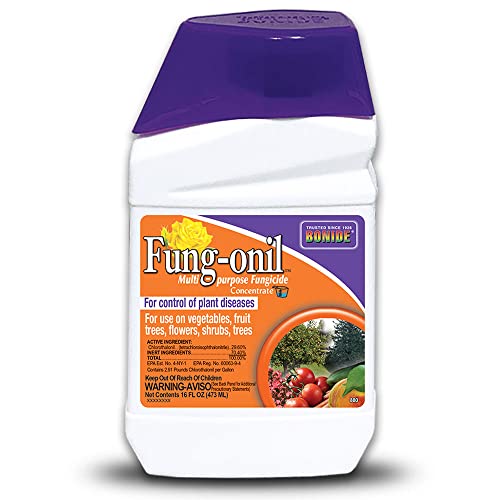
Bonide Fung-Onil is a concentrate that provides broad-spectrum control against listed fungal diseases, including leaf spot, rust, blight, and mildew. The active ingredient chlorothalonil makes this a robust option for garden beds, fruit trees, and ornamentals facing persistent fungal challenges. Application typically involves dilution to recommended rates and careful coverage of affected foliage to maximize efficacy while minimizing environmental exposure. This product is well-suited for gardeners prioritizing a strong, traditional fungicide presence in their toolkit.
Buying Guide
Key considerations when choosing a powder or spray fungicide include disease target, crop type, and organic compatibility. For organic gardening, sulfur-based products (as seen with Bonide options) and natural formulations (thyme oil or citric acid-based) offer permissible choices in many guidelines. Consider the following:
- Disease spectrum: Powdery mildew vs. rust vs. leaf spot—select a product proven effective against your primary threats.
- Crop compatibility: Some products are safer for edible crops but require careful timing to prevent residue issues on harvest.
- Application method: Dusts may require different equipment than liquids; ensure you have suitable sprayers or dusters.
- Organic status: If organic certification matters, verify OMRI or FIFRA 25(b) exemptions where applicable.
- Safety and storage: Follow label directions for wearing protective gear and storing away from children and pets.
- Resistance management: Rotate products with different active ingredients to reduce resistance risk.
In practice, a diversified approach often yields the best protection: use sulfur or natural oil-based formulations for routine coverage, and reserve conventional multi-purpose fungicides for severe outbreaks or stubborn diseases. Always adhere to label instructions and local agricultural extension recommendations to optimize plant health and minimize environmental impact.