Container gardening bursts with color when you choose seed varieties that perform well in pots, window boxes, and hanging baskets. This guide highlights five reliable seed packets that excel in limited spaces, attract pollinators, and offer easy growth from seed to bloom. From compact petunias to vibrant zinnias, these selections are well-suited for American climates, balcony setups, and patio containers. Each choice includes practical growing notes to help you start strong and maintain dazzling container displays all season long.
| Product | Best For | Container Type | Germination Notes |
|---|---|---|---|
| KVITER 2,000 Mix Dwarf Petunia Seeds | Bright compact color | Beds, Hanging Baskets, Containers | 7–14 days at 70–80°F |
| The Lucky Stars 5,000+ Petunia Seeds | All-season color in small spaces | Containers, Baskets, Borders | Light-requiring germination; 8–10 weeks indoors before frost |
| HOME GROWN Zinnia Dahlia Seeds Pack | Bold, long-lasting blooms | Containers, Borders, Pollinator Gardens | Blooms in weeks; thrives in sun |
| TLSSCO 5500+ Petunia Seeds | Rainbow petunia color | Containers, Hanging Baskets | Similar to other petunias; light germination |
| TLSSCO 754+ Zinnia Dahlia Seeds | Vibrant zinnia-dahlia mix | Containers, Borders | Fresh mix with quick results |
KVITER 2,000 Mix Dwarf Petunia Seeds

This dwarf petunia mix produces 4-inch blooms on compact, 10-inch bushes, ideal for small pots, mini baskets, and containers. The seeds are described as fast to start, germinating in 7–14 days at temperatures around 70–80°F when surface-sown to promote light germination. Plants stay tidy with 12-inch spacing, helping you maintain a neat container display without crowding. Colorful options include red, pink, purple, and white, creating a vibrant color burst in your pots and window boxes.
Growing tips emphasize surface sowing with light moisture and mixing seeds with sand for even distribution. This variety is suitable for USDA zones 1–12, making it a versatile choice for many American gardens and patios. Petunias in containers often show strong, cascading growth, and this mix supports that trend, delivering continuous color across the season with relatively straightforward care.
The Lucky Stars 5,000+ Petunia Seeds

This packet offers a rainbow of petunia colors—red, rose, pink, violet, yellow, orange, white, and lavender—suitable for containers, hanging baskets, and borders. The seeds are described as excellent for bees, butterflies, and hummingbirds, supporting pollinator-friendly containers. Growing guidance suggests indoor sowing 8–10 weeks before the last frost with light coverage, then transplant after frost. Direct outdoor sowing after danger of frost is also an option. Volume and diversity make this an adaptable choice for varied container setups.
HOME GROWN Zinnia Dahlia Seeds Pack

The HOME GROWN seed pack contains 524 premium Zinnia Dahlia seeds that produce double blooms in red, pink, orange, white, and more. These seeds are positioned as beginner-friendly with fast growth, making them a reliable option for containers and borders. The blossoms are described as bold and richly colored, delivering a striking display that lasts throughout the summer. They’re well-suited to bouquets and container arrangements, adding a regal touch to your garden spaces.
TLSSCO 5500+ Petunia Seeds
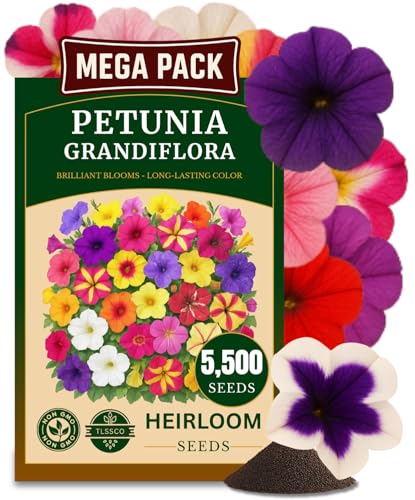
This TLSSCO pack mirrors the petunia theme with another large rainbow mix designed for containers and hanging baskets. The seeds promise a quick start to color with similar germination steps: indoor sowing under bright light 8–10 weeks before frost, lifting seed coverage to promote light exposure for germination. Transplant after frost or direct sow when safe. The result is a prolific, spreading foliage with a spectrum of petunia hues, ideal for bright container displays throughout the season.
TLSSCO 754+ Zinnia Dahlia Seeds

The TLSSCO 754+ Zinnia Dahlia Seeds pack emphasizes a premium mix of zinnia and dahlia-inspired shapes in vibrant colors. These seeds are described as easy to grow for outdoor blooms, with the expectation of bold, double blooms that add sophistication to containers and borders. The selection is well-suited to pollinator-friendly landscapes and offers a robust color range that complements other flowering annuals in pots and raised beds.
Buying Guide: Key Purchase Considerations And Comparisons
When selecting flower seeds for containers, consider sun exposure, pot size, soil mix, and climate. Petunias generally thrive in full sun with well-draining soil and consistent moisture. Zinnias and dahlias provide bold color but may require larger containers and sturdy staking for taller varieties. Verbenas and snapdragons offer steady performance in mixed container displays, attracting pollinators and delivering color across the season.
Germination rates and seed quality impact early growth. Look for packets that emphasize high germination percentages and clear sowing instructions. Surface-sown seeds rely on light for germination, so avoid burying them deeply. Spacing recommendations help prevent overcrowding, which reduces air circulation and disease risk in containers.
Open-pollinated and non-GMO seeds support pollinators and seed-saving possibilities, while organic options may appeal to gardeners seeking natural cultivation methods. Temperature ranges for germination and transplant timing relative to last frost dates are important in planning a container garden across different U.S. regions.
Container considerations include pot size, drainage, and soil mix. A lightweight potting mix with perlite or vermiculite improves drainage, while larger containers support longer-lasting displays and less frequent watering. Grouping plants with similar water needs helps maintain consistent moisture without waterlogging root zones.
Color diversity and bloom duration should align with your design goals. Petunias offer ongoing color and cascading growth, while zinnias and dahlias provide bold forms and strong stems for cut arrangements. Combining varieties that attract bees and butterflies can boost pollination and garden health, especially in balcony and patio setups where natural habitats are limited.