Choosing the best fertilizer for azaleas and rhododendrons is crucial for ensuring vibrant blooms and lush foliage. These acid-loving plants require fertilizers that cater specifically to their nutrient needs and soil pH preferences. Below is a summary table showcasing top-rated fertilizers designed to boost the health and beauty of your azaleas and rhododendrons.
| Product | Brand | NPK Ratio | Type | Special Features |
|---|---|---|---|---|
| Miracle-Gro Water Soluble Azalea, Camellia, Rhododendron Plant Food | Miracle-Gro | Varies | Water Soluble | Instant feeding, ideal for indoor & outdoor acid-loving plants |
| Jobe’s Garden Fertilizer Spikes for Acid Loving Plants | Jobe’s Organics | 9-8-7 | Fertilizer Spikes | Slow-release spikes, reduces runoff and mess |
| GARDENWISE 8-4-8 Acidic Fertilizer | GARDENWISE | 8-4-8 | Granular Bio-solid Fertilizer | Enriched with iron, magnesium; soil acidifier with beneficial microbes |
| Schultz Azalea, Camellia, Rhododendron Slow Release Plant Food | Schultz | 14-7-7 | Slow Release Granular | No mixing required, long-lasting feed |
| Jobe’s Organics Granular Fertilizer | Jobe’s Organics | Varies | Organic Granular | OMRI listed for organic gardening, no synthetic chemicals |
Miracle-Gro Water Soluble Azalea, Camellia, Rhododendron Plant Food

This water-soluble formula from Miracle-Gro is specially designed for acid-loving plants such as azaleas, camellias, and rhododendrons. It delivers nutrients instantly to promote lush growth and vibrant flowers. Suitable for both indoor decorative plants and outdoor gardens, this fertilizer encourages healthy blooming cycles with ease. It also works well on other acid-loving flora like gardenias, hibiscus, and hydrangeas. The easy-to-dissolve formula allows you to quickly feed your plants for optimal health.
Jobe’s Garden Fertilizer Spikes for Acid Loving Plants

Jobe’s offers an organic fertilizer spike solution tailored specifically for azaleas, rhododendrons, camellias, and other acid-loving plants. The 9-8-7 NPK formulation supports abundant blooms and healthy foliage. These spikes are easy to apply with minimal mess or waste, releasing nutrients steadily over time. Applying spikes every 4-6 weeks during the growing season ensures consistent nourishment without the risk of over-fertilizing. This product also reduces runoff, making it an environmentally conscious choice.
GARDENWISE 8-4-8 Acidic Fertilizer for Azaleas and More

GARDENWISE 8-4-8 is an iron-rich granular fertilizer perfect for acid-loving plants including azaleas, camellias, rhododendrons, and blueberries. This product enhances soil acidity which is vital for nutrient absorption in these species. Its bio-solid composition contains beneficial microbes that enrich soil health naturally. By preventing chlorosis and promoting strong plant development, this fertilizer helps your garden thrive while supporting an eco-friendly gardening approach.
Schultz Azalea, Camellia, Rhododendron Slow Release Plant Food
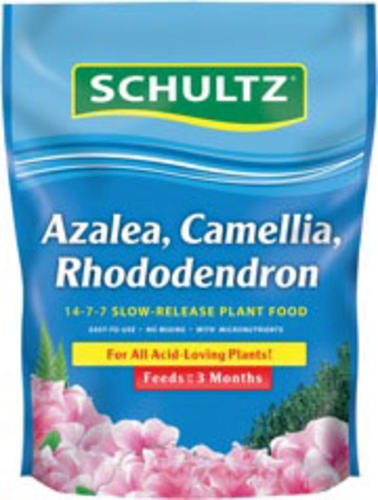
The Schultz slow-release formula with a nutrient ratio of 14-7-7 provides a steady supply of essential nutrients for acid-loving plants. This fertilizer requires no mixing and steadily nourishes azaleas and rhododendrons over time, minimizing the need for frequent applications. Its slow-release technology feeds plants continuously, supporting robust growth and enhancing flowering potential throughout the season.
Jobe’s Organics Granular Fertilizer for Acid Loving Plants

This organic granular fertilizer is designed for azaleas, camellias, and rhododendrons with a commitment to safe, natural gardening. Certified OMRI listed by the USDA, it contains no synthetic chemicals and supports sustainable growth. Its formula minimizes waste, runoff, and odor, making it ideal for gardeners seeking an organic option to improve soil health and plant vitality. Regular application promotes strong blooms and vibrant foliage.
Buying Guide: Choosing the Best Fertilizer for Azaleas and Rhododendrons
Understanding Nutrient Requirements
Azaleas and rhododendrons thrive in acidic soils rich in nitrogen (N), phosphorus (P), and potassium (K) with a balanced nutrient ratio supporting leaf growth and flowering. Common effective NPK ratios for these plants range from 8-4-8 to 14-7-7, emphasizing nitrogen to promote lush foliage and phosphorus to encourage blooms.
Soil Acidity and pH Conditions
These plants prefer soil with a pH between 4.5 and 6.0. Fertilizers that include elements promoting soil acidification, such as iron and sulfur components, can help maintain ideal acidity levels, preventing nutrient lockout and chlorosis.
Fertilizer Type and Application Method
Choose between water-soluble, granular, slow-release, or spike fertilizers depending on your gardening style. Water-soluble options provide quick nutrient availability, ideal for indoor plants or urgent feeding. Granular and slow-release fertilizers support consistent nutrition with less frequent applications. Fertilizer spikes offer convenient, mess-free solutions with controlled nutrient delivery over time.
Organic vs. Synthetic Fertilizers
Organic fertilizers promote soil health and microbial activity while avoiding synthetic chemicals, ideal for eco-conscious gardeners. Synthetic formulas often deliver nutrients faster but may not improve soil quality long-term. Consider your gardening goals and environmental preferences when selecting organic or synthetic types.
Safety and Environmental Considerations
Ensure fertilizer choices are pet and child safe if applicable. Look for products with reduced runoff, minimal odor, and certifications like OMRI for organic products. Responsible fertilization not only benefits plants but also minimizes environmental impact.
Frequency and Timing of Application
Most azalea and rhododendron fertilizers recommend application every 4 to 6 weeks during the growing season, with slow-release options needing less frequent feeding. Applying at appropriate times encourages optimal nutrient uptake and vibrant plant health.