Erosion control blankets are essential for stabilizing steep slopes, protecting soil, and promoting vegetation establishment. This guide highlights five top options tailored to challenging hillsides, ranging from natural fibers to biodegradable blends. Each choice prioritizes soil retention, moisture retention, and ease of installation, helping you select a blanket that best fits your slope, climate, and restoration goals.
| Product | Brand | Coverage (approx.) | Material Type |
|---|---|---|---|
| AK TRADING CO. Jute Erosion Control | AK TRADING CO. | 900 sq ft | Jute Mesh |
| Sandbaggy Coconut Erosion Control Blanket | Sandbaggy | 450 sq ft | Coconut Fiber |
| Farm Plastic Supply Straw/Coconut Blanket | Farm Plastic Supply | ~112.5 ft x 8 ft ≈ 900 sq ft | Straw/Coconut Fiber |
| Dewitt Photodegradable Netting Blanket | Dewitt | 450 sq ft | Photodegradable Netting over Excelsior |
| Riakrum Burlap Netting Blanket | Riakrum | 60 ft total | Burlap Netting |
AK TRADING CO. Jute Erosion Control, 48″ Wide Jute Mesh Blanket (900 Sq Ft)
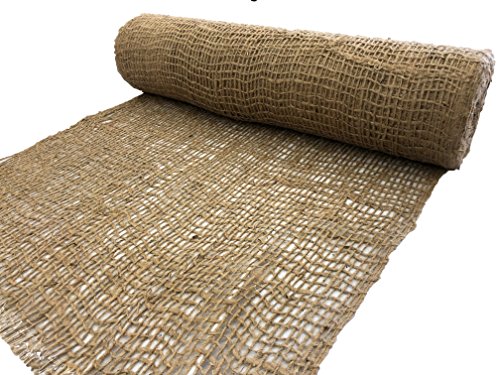
The AK TRADING CO. jute erosion control blanket offers a robust, biodegradable solution for stabilizing steep slopes. The 48-inch wide roll extends to 75 yards, delivering about 900 square feet of coverage. Jute’s natural fibers promote soil retention by intertwining with seedbeds, reducing erosion from wind and water while supporting vegetation establishment. This blanket is designed for sustainable landscapes, riverside embankments, and hillside restoration projects where biodegradability is a priority.
Farm Plastic Supply 100% Biodegradable Erosion Control Blanket (Straw/Coconut)

This blanket blends straw and coconut fibers into a biodegradable matrix held by a brown biodegradable net. It is designed for temporary erosion control and seed germination support on slopes. With a width around 7.5 feet and natural materials, it provides rapid coverage and decomposes within a few months, potentially accelerating restoration phases on gentler sections of a hillside or for projects requiring quick turnover.
Sandbaggy Coconut Erosion Control Blanket – 3.75 ft x 120 ft

Made from 100% coconut fiber, this coir mat is engineered for 1:1 slope stabilization, especially on hillsides and DOT projects. It stabilizes soil, reduces runoff, and supports seed germination by retaining moisture and anchoring sediment. The durable coconut fiber blend makes it suitable for long-term slope protection while remaining environmentally friendly and easy to install on uneven terrain.
Sandbaggy Coconut Erosion Control Blanket – 3.75 ft x 120 ft Roll
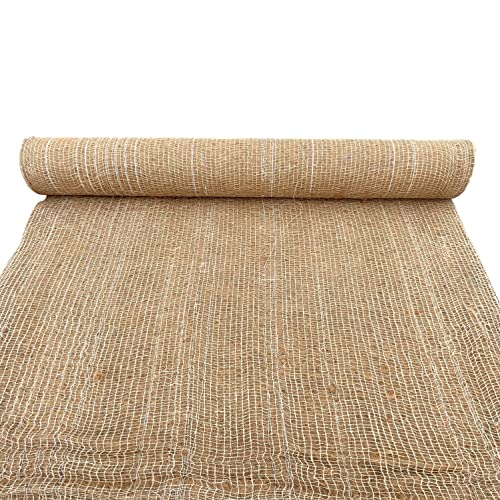
This roll emphasizes moisture retention to support seed growth on slopes. The blanket reduces runoff, anchors sediment, and encourages native vegetation establishment. It is a practical choice for hill stabilization during restoration projects, roadwork, and hillside landscaping where a coconut fiber-based solution is preferred for environmental compatibility.
Riakrum Erosion Control Burlap Netting Blanket
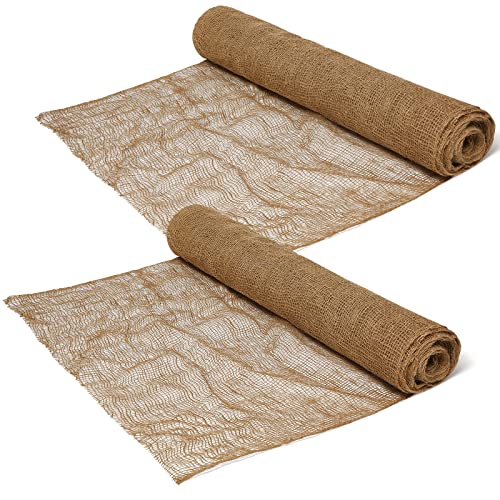
Riakrum offers burlap erosion control blankets with a loose-weave burlap netting, designed to stabilize soil and support revegetation on slopes. Each package includes multiple rolls of 48 inches in width and about 60 feet total length. The burlap material provides a traditional, breathable solution for erosion control on hillside plots, shoreline areas, and garden slopes where natural fiber coverage and simple installation are desirable.
Buying Guide: Key Purchase Considerations
- Slope and erosion mechanism: For steep slopes, prioritize blankets with strong fiber matrices (coconut fiber, coir, jute) and robust netting to resist sliding and wind erosion.
- Material and biodegradability: Biodegradable options (jute, straw/coconut blends, excelsior-based blankets) support ecological restoration but may require reapplication if the slope experiences prolonged disturbance.
- Moisture retention and seed germination: Fibers that hold moisture help seeds establish quicker. Look for products marketed to support native vegetation growth and have seed-friendly or seed-free formulations as needed.
- Coverage and installation: Calculate slope area to pick the correct roll width and length. Wider blankets reduce seams but may be harder to transport; ensure installation tools and stakes are suitable for the chosen material.
- Abrasion resistance and durability: Steep, rocky slopes demand tougher blankets with strong fiber matrices and durable netting to prevent premature wear.
- Environmental impact: Biodegradable options minimize long-term residue on sensitive ecosystems but may need more frequent replacement in high-traffic or high-flow areas.
- Timing and climate: In dry climates, select materials with high moisture retention and consider irrigation support. In wet climates, erosion control must withstand high shear forces from rainfall.
- Regulatory and site requirements: For public projects or DOT work, ensure the blanket type complies with local erosion control standards and is approved for slope stabilization.
- Cost and maintenance: Balance upfront cost with expected lifespan and replacement needs, including maintenance of vegetation cover and re-seeding plans.