Finding reliable cell trays for seeds is essential for successful germination and healthy seedlings. This guide highlights five top options designed to promote strong root development, provide durable reuse, and accommodate a wide range of seed types—from vegetables to flowers and herbs. Each choice offers distinctive features such as ventilation, drainage, and compatibility with heat mats, helping you optimize your indoor starting setup.
Overview of selected products:
| Product | Brand | Cells | Notes |
|---|---|---|---|
| The Hydroponic City Seed Starter Trays (216-Cell) | The Hydroponic City | 216 | Large capacity starter trays with 1.5″ x 2.25″ cells; reusable; |
| Seed Starter Trays (144 Cells) | The Hydroponic City | 144 | Durable, reusable; versatile for many seeds; |
| Gardzen 5-Set Seed Starter Tray Kits (200 Cells) | Gardzen | 200 | Adjustable vents; durable; 40-cell per kit; |
| Burpee SuperSeed Seed Starting Tray (36 Cells) | Burpee | 36 | Mini-pop-out cells; advanced drainage; dishwasher-safe; |
| Gardzen 30 Pack 6-Cell Seed Starters | Gardzen | 6 per tray (30 trays) | Drainage holes; compact and sturdy; |
The Hydroponic City 216-Cell Seed Starter Trays
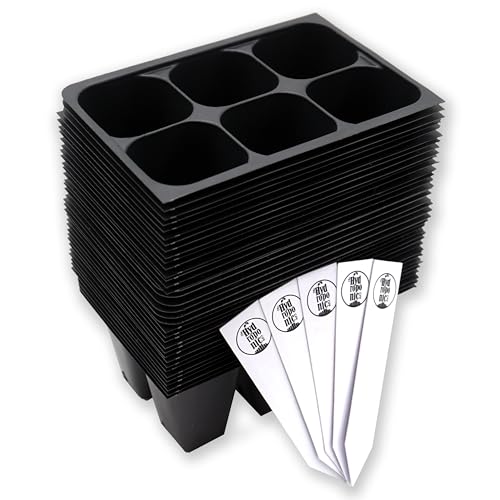
These 216-cell seed starter trays pack a generous capacity for busy gardeners. Each cell measures 1.5 inches square by 2.25 inches deep, a size chosen to foster healthy root systems and robust early growth. The trays are crafted from durable materials designed for repeated use, supporting sustainable gardening practices. They’re suitable for a wide range of seeds, including flowers, herbs, succulents, and vegetables, making them a versatile base for indoor starts or greenhouse propagation. The combination of ample root space and sturdy construction reduces transplant shock when moving seedlings to larger containers or outdoor beds.
Seed Starter Trays, 144 Cells (24 Trays)

This 144-cell setup provides a compact yet ample option for hobbyists and small-scale growers. Each cell shares the same 1.5″ square by 2.25″ depth profile, designed to encourage healthy root development from day one. The trays are durable and reusable, aligning with sustainable gardening practices. They accommodate a broad spectrum of seeds—from leafy greens to root crops and herbs—allowing gardeners to assemble a diverse early harvest batch within a single system. The modular design supports easy stacking and organization in tight growing spaces.
Gardzen 5-Set Seed Starter Tray Kits

Gardzen’s 5-set kit delivers a total of 200 cells with improvements for airflow and moisture control. The trays feature adjustable ventilation via two top vents to optimize seed growth conditions and reduce damp stagnation. Built from premium plastic, they’re designed for durability and repeated use in home or greenhouse environments. Each 40-cell kit provides substantial capacity for starting multiple varieties simultaneously. The domes and bases fit together tightly, promoting efficient humidity management while keeping the interior warm and humid for germination.
Burpee SuperSeed Seed Starting Tray (36 Cells)

Burpee’s 36-cell seed starting tray emphasizes ease of seed setup and transplanting. The cells are deep and flexible, enabling gentle removal of plugs without damaging roots. It features molded corner drainage slots to improve soil aeration and reduce waterlogging, with deep channels that draw excess moisture away from the cells. The raised perimeter edge helps contain moisture within the tray, reducing spills. Side handles make lifting and daily checks straightforward. The tray is designed for reuse and dishwasher-safe cleaning, offering long-term value for indoor seed starting kits.
Gardzen 30 Pack 6-Cell Seed Starters
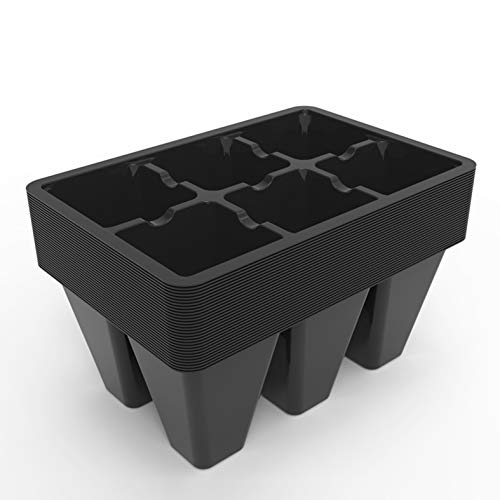
The Gardzen 30-pack combines compact 6-cell trays with individual drainage holes for each cell, helping to prevent overwatering and ensuring even moisture distribution. With a total of 180 cells, this option is well-suited for gardeners who prefer small, modular units that can be arranged in multiple configurations. The design includes top channels to guide water flow, ensuring consistent moisture across all cells. The trays are durable for repeated use and easy to clean, making them a practical choice for beginners and experienced growers alike.
Buying Guide: Key Purchase Considerations
- Cell size and depth: Larger cells provide room for roots and reduce transplant stress; deeper cells sustain longer germination periods for slow-growing varieties.
- Ventilation and humidity control: Adjustable vents help regulate temperature and air flow, which can significantly impact germination rates and mold prevention.
- Drainage: Proper drainage prevents waterlogging and root rot. Look for trays with bottom drainage holes and channels that guide excess moisture away from cells.
- Durability and reuse: Reusable trays lower long-term costs and waste. Consider BPA-free plastics and the ease of cleaning, including dishwasher compatibility if relevant.
- Compatibility with heat mats and grow lights: If you plan indoor propagation, ensure the tray design accommodates heat mats and supports even light exposure for uniform germination.
- Seed variety capacity: If you grow many species, a higher-cell-count kit or modular systems with reconfigurable layouts can save space and simplify management.
- Portability and storage: Lightweight trays with stackable designs save space in small growing areas such as apartments, classrooms, or sheds.
- Cost vs. value: While higher-cell kits can be pricier, their durability, ease of use, and reduced transplant shock can justify the investment for serious gardeners.
When choosing among these options, align features with your growing style: a large-capacity system for intensive seed-start projects, or compact kits for small spaces and seed variety trials. Evaluate whether you need adjustable ventilation, robust drainage, or dishwasher-safe cleanup. Consider future expansion or modular setups that let you mix-and-match trays while maintaining consistent humidity and temperature controls.