Gardening without beneficial insects means fewer pollinators, less natural pest control, and slower garden health. Bug hotels provide sheltered spaces for pollinators and predators like mason bees, ladybugs, and lacewings. This guide highlights five well-made options ideal for American backyards, patios, and garden beds. Each entry includes practical features, materials, and how they support biodiversity and plant vitality.
| Product | Brand | Key Use | Materials |
|---|---|---|---|
| Lulu Home Wooden Insect House (19.7 x 3.4 x 5.4 in) | Lulu Home | Large habitat with varied compartments | Natural wood, bamboo, pine cones |
| Navaris Insect House XL (22.4″ H × 15″ W) | Navaris | Extra-large nesting for bees & butterflies | Pine wood, bamboo, pine cone |
| Insect Hotel Hanging Bee House | LWINGFLYER | Hanging garden shelter | Solid wood, multi-compartments |
| Maitys 3 Pcs Wooden Mason Insect Bee Hotel | Maitys | Triplet set for diverse habitats | Pine wood, bamboo, wood shavings |
| Lulu Home Hanging Insect House (10.4 x 3.4 x 5.4 in) | Lulu Home | Compact habitat for garden corners | Natural wood, varied fillings |
Lulu Home Insect House (19.7 in)

This large wooden insect hotel offers multiple compartments designed to host a range of beneficial insects. The structure uses natural wood and a weather-resistant roof, with a non-toxic waterproof coating to extend outdoor life. Inside, bamboo tubes, pine cones, and other natural materials create varied nesting environments, appealing to mason bees, solitary bees, butterflies, ladybugs, lacewings, and more. By supporting these pollinators and predator insects, this house helps improve pollination and garden biodiversity, contributing to healthier flowers, vegetables, and fruits.
Key considerations: size and placement can influence occupancy; ensure the hotel is mounted securely away from heavy rain exposure. The product’s natural materials align well with eco-friendly garden strategies, and the design supports overlapping habitats for different species across seasons.
Navaris Insect House XL for Gardens

The Navaris XL insect hotel is sized for larger garden spaces, offering a substantial nesting area for mason bees, butterflies, ladybugs, and green lacewings. It uses all-natural materials—pine wood, bamboo, and pine cones—without paint or coatings that might deter insects. A metal sheet on the roof enhances rain protection, helping to keep interiors drier and more inviting for residents even in wetter climates. This model supports a broad spectrum of pollinators, promoting robust garden pollination and natural pest management.
Key considerations: ensure the unit is elevated off the ground and sheltered from prevailing wind. The sizeable footprint makes it ideal for larger patios or garden borders, but it may require sturdy mounting to withstand strong winds in exposed yards.
Insect Hotel Hanging Bee House (LWINGFLYER)

This hanging insect house emphasizes a natural habitat design with multiple compartments and varied entry holes to accommodate several species. The product emphasizes after-sales support and highlights the handcrafted feel of the unit, which can blend nicely with garden aesthetics. It is designed to attract ladybugs, butterflies, solitary bees, and other beneficial insects, promoting pollination and pest control while requiring minimal maintenance.
Key considerations: hanging placement matters—view angles, sun exposure, and nearby flowering plants influence occupancy. The hanging format suits balconies, fences, and trellises but may need periodic checks to ensure the roof stays weatherproof.
Maitys 3 Pcs Wooden Mason Insect Bee Hotel Set

This bundle delivers three compact wooden insect houses, each about 10 x 5.5 x 2.5 inches. Each unit includes different fillings—bamboo, wood shavings, and small wooden stakes—to attract a broad range of insects, such as bees, butterflies, ladybugs, and lacewings. The pointed metal-roof design helps protect against rain, while the pine wood construction provides durability in outdoor settings. The set is ideal for creating a diverse insect habitat in clustered garden spots or around planting beds.
Key considerations: a trio approach allows you to create microhabitats at varying heights and exposures. Check for staining or weathering over time and rotate placements for ongoing insect diversity across seasons.
Lulu Home Hanging Insect House (10.4 in)
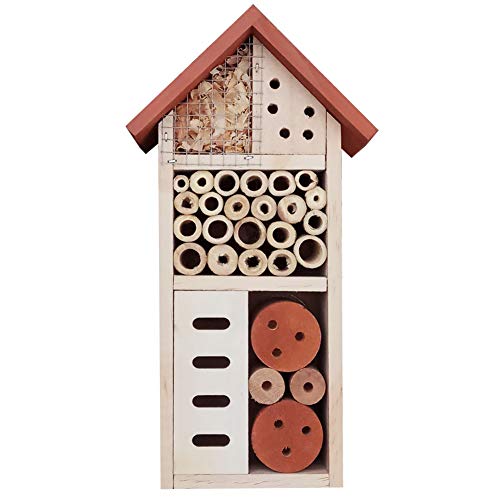
This hanging insect house by Lulu Home is a compact, wall- or fence-mounted option designed to attract a variety of beneficial insects. The design emphasizes diversity within a smaller footprint, making it suitable for garden corners, balconies, or near flowering borders. The structure helps provide shelter for bees, butterflies, ladybirds, lacewings, and other beneficial insects, supporting pollination and natural pest control in smaller spaces.
Key considerations: choose a sheltered location that still receives some sun and is near flowering plants. Regularly inspect for weathering and clean the interior periodically to maintain insect health and occupancy.
Buying Guide: Key Purchase Considerations For Garden Bug Hotels
- Size and space: Larger hotels attract more large-bodied pollinators and can house more individuals, but require sturdy mounting and more sun exposure. Small units fit balconies and narrow garden beds but may need more frequent rotation to keep occupants.
- Materials and finish: Opt for untreated or naturally treated wood with non-toxic coatings. Avoid painted interiors that could deter insects or introduce residues. Weatherproof roofs help prolong life in rain-prone regions.
- Compartment design: A mix of tube-like, hollow, and filled compartments accommodates different species (mason bees, butterflies, ladybugs, lacewings). Multi-zone designs improve habitat diversity, which benefits overall garden health.
- Placement strategy: Install at a height of 3–6 feet where possible, facing a clean, sheltered wall or fence. Position near flowering plants to entice residents and ease pollination tasks.
- Maintenance: Clean out old materials between seasons if needed, and replace filling materials periodically to maintain attractive nesting sites. Check for moisture buildup and pests that could deter inhabitants.
- Climate considerations: In regions with heavy rainfall, rain protection and elevated placement help prevent wood rot. In hot climates, partial shade helps prevent overheating and interior drying.
- Safety and aesthetics: Choose styles that blend with your garden design. Secure mounting reduces risk of wind damage and ensures longevity in windy American yards.
- Cost and value: Sets and premium single units offer flexibility, but a diverse group of habitats often yields greater insect diversity and garden benefits over time.