For homeowners aiming to reduce plastic waste while maintaining yard cleanup efficiency, biodegradable yard waste bags offer a practical solution. This guide highlights top biodegradable options that handle leaves, grass clippings, sticks, and other garden debris while meeting composting standards. Read on for product specifics, material durability, and how to choose the right bag for your yard size and cleanup frequency.
| Product | Capacity | Material | |
|---|---|---|---|
| Rocky Mountain Goods Yard Waste Bags | 30 gal | 2-ply paper | Bio-degradable, compostable |
| FCV 30 Gallon Lawn & Leaf Bags | 30 gal | 2-ply paper | Durable, tear resistant |
| Necessia 30 Gallon Bags | 30 gal | 2-ply paper | Biodegradable, US-made |
| UNNI Compostable Lawn & Leaf Bags | 30-33 gal | 1.1 mil compostable paper | Certified compostable (BPI, CMA, OK compost HOME) |
| ECOLipak 33 Gallon Bags | 33 gal | Biodegradable, compostable plastic-free option | BPI & OK compost Home certified |
Choosing biodegradable bags for yard waste means balancing strength, capacity, and how you dispose of yard debris. The products below are selected for American yards, aiming to minimize plastic use while offering reliable tear resistance and convenient handling. Each option aligns with municipal composting or home composting standards, where applicable, helping you keep green waste out of landfills without sacrificing cleanup efficiency.
Rocky Mountain Goods Yard Waste Bags

These large 30-gallon bags are built for heavy yard debris. The two-ply self-standing design helps prevent tipping, while the brown paper construction provides eco-friendly disposal—compatible with municipal composting streams. They’re especially suited for grass clippings, leaves, and garden waste, offering tear resistance for tougher loads like sticks and damp material. The self-standing feature reduces spillage during loading, and the eco-friendly composition supports a greener cleanup routine. For households with frequent yard waste, these bags offer a practical blend of durability and composting compatibility.
FCV 30 Gallon Lawn & Leaf Bags

FCV’s 30-gallon, two-ply paper bags emphasize wet-strength and tear resistance, making them reliable for both moist and dry debris. The self-standing design helps keep bags upright during loading, which is helpful for wider piles or heavy clippings. These bags are well-suited for lawn and leaf disposal and can handle a range of yard waste without premature tearing. The paper composition keeps a lower plastic footprint, aligning with eco-conscious yard maintenance and straightforward disposal in composting streams where accepted.
Necessia 30 Count Yard Waste Bags

Necessia’s 30-gallon bags combine eco-friendly composition with heavy-duty performance. Made from two-ply paper, they resist tearing when handling larger yard pieces or damp material. Each bag offers substantial capacity for bulk yard cleanup and the self-standing feature helps reduce mess during loading. These bags emphasize biodegradability and US manufacturing, supporting a greener waste-management approach while maintaining reliability for routine yard tasks.
UNNI Compostable Lawn & Leaf Bags

UNNI’s 30-33 gallon bags are designed for high-volume yard waste and daily kitchen scraps with reinforced 1.1 mil thickness. They’re certified compostable by multiple bodies (BPI, CMA, OK compost HOME), ensuring compatibility with home and industrial composting streams. The bags fit larger yard bins and help reduce plastic usage while maintaining strength for leaves, grass, and miscellaneous debris. Their certified status provides assurance for households seeking certified compostable options.
ECOLipak 33 Gallon Compostable Bags
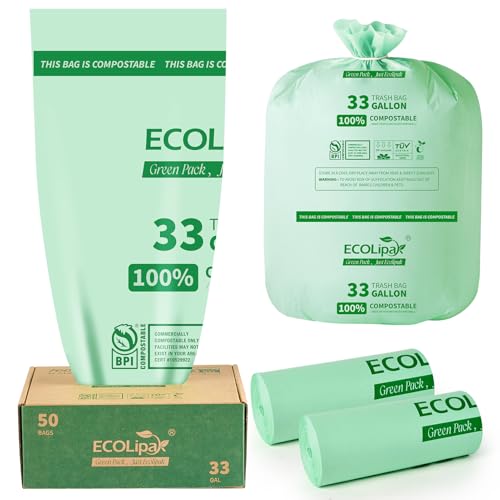
ECOLipak offers 33-gallon compostable bags that are certified by BPI and OK compost HOME, designed for outdoor yard waste and garden trash. Their 1 mil thickness provides a balance of sturdiness and compostability, suitable for leaves, small branches, and general yard debris. The bags are intended for easy use in both home composting and municipal programs, with a focus on consumer convenience and eco-certifications. They come in practical counts for households with regular cleanup duties and larger bin sizes.
The Home Depot Heavy Duty Brown Paper Bags
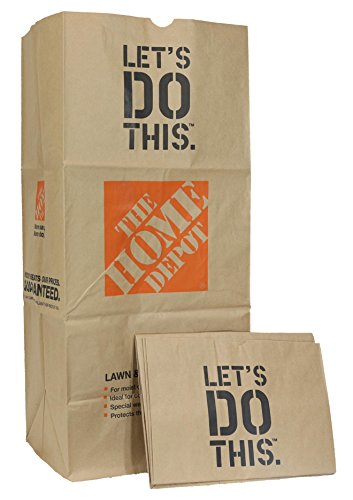
Home Depot’s 30-gallon brown paper bags focus on heavy-duty tear resistance, making them a reliable option for sticks, twigs, leaves, and bulky plant matter. The 2-ply paper provides a sturdy shell for outdoor use and straightforward disposal in compost streams as appropriate. This option is intended for those who want familiar, widely available bags that perform well under varied yard waste conditions without adding excessive plastic materials to the waste stream.
Buying Guide: Key Considerations For Choosing Biodegradable Yard Waste Bags
- Material and strength: Evaluate whether bags use two-ply paper or higher-thickness materials to resist tearing, especially when handling damp leaves, wet clippings, or woody debris. Self-standing designs can reduce spillage during loading.
- Capacity and fit: Choose bags sized to your bin capacity and typical yard waste load. For households with large properties, 30-33 gallon options reduce bag count but ensure enough capacity per fill.
- Biodegradability standards: Look for certifications like BPI, OK compost HOME, or CMA to confirm compostability. Some bags are designed for municipal composting streams; others are suitable for home composting.
- Disposal compatibility: Confirm whether your local curbside program accepts compostable yard waste bags, or if you must place them in your home or community compost bin.
- Durability under moisture: Yard waste often contains damp material; select bags advertised as wet-strength or tear-resistant to minimize leaks and tears.
- Environmental impact: Consider bags that reduce plastic use and are fully biodegradable or compostable, aligning with overall sustainability goals for the property.
- Availability and cost: Factor in product availability across retailers and the typical unit count per pack. Larger counts can reduce per-bag cost and improve convenience.
- Local regulations: Check municipal composting policies, as some areas require specific certifications or disallow certain compostable bags in green-waste streams.
Biodegradable yard waste bags offer a practical approach to reducing plastic waste while maintaining clean and efficient yard management. By selecting bags that balance strength, capacity, and certified compostability, homeowners can optimize disposal workflows and support eco-friendly waste streams. This guide showcases options that perform reliably in American yard conditions and align with common composting practices.