For gardeners aiming to grow healthy, flavorful carrots in raised beds, choosing the right soil is crucial. Carrots thrive in loose, well-draining soil rich in organic matter that promotes deep root development. This article reviews the best soils suitable for carrot cultivation in raised beds, highlighting their unique features to help you select an ideal growing medium.
| Product | Brand | Key Features |
|---|---|---|
| Espoma Organic Raised Bed Mix | Espoma | Organic ingredients, enriched with earthworm castings, mycorrhizae |
| Michigan Peat Garden Magic Potting Soil (40 lbs) | Michigan Peat | Moisture retention, microbial balance, versatile for outdoor beds |
| GARDENERA Premium Organic Potting Soil for Carrots (5 Quart) | Gardenera | Promotes rapid root development, excellent drainage, coconut coir blend |
| Castine Blend Raised Bed Mix | Coast of Maine | Made in USA, specialized raised bed soil |
| Verdana Coco Coir Brick | Verdana | Eco-friendly coconut coir alternative, expands to 18 gallons |
Espoma Organic Raised Bed Mix for Vegetables and Herbs

The Espoma Organic Raised Bed Mix is designed specifically for raised garden beds and outdoor containers, making it ideal for growing carrots. It contains a rich blend of natural and organic ingredients such as earthworm castings, alfalfa meal, kelp meal, and feather meal, all of which provide essential nutrients. This soil is further enhanced with MYCO-TONE, a proprietary blend of both endo and ecto mycorrhizae, aiding nutrient uptake and promoting healthy root systems. Such a biologically active mix aids soil life that directly benefits carrot growth in raised beds.
Michigan Peat Garden Magic Potting Soil with Perlite

This versatile blend from Michigan Peat incorporates reed sedge, peat, sand, and perlite to create a soil mix that supports excellent moisture retention and microbial balance. Its ability to maintain a consistent nutrient and water environment makes it an excellent choice for raised garden beds where carrots require loose, airy soil for uninterrupted root growth. The soil enhances water absorption and distribution without suffering from compaction, an essential feature for root vegetables like carrots.
GARDENERA Premium Organic Potting Soil for Carrots

Specifically mixed for optimal carrot growth, Gardenera’s Premium Organic Potting Soil features a professional blend of coco coir, Canadian peat moss, perlite, and worm castings. This combination promotes rapid root development and superior moisture drainage without sacrificing nutrient retention. The soil mimic’s carrots’ natural environment by being loose and moisture balanced, preventing root deformities and encouraging straight, healthy roots.
Castine Blend Raised Bed Mix by Coast of Maine
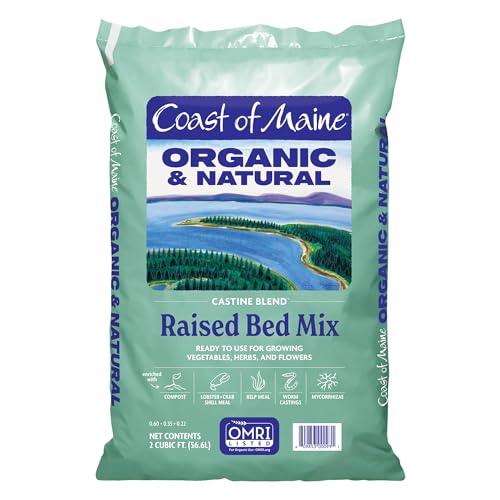
The Castine Blend is a specialized raised bed mix created for vigorous vegetable growth. It is made in the United States and designed as a high-quality growing medium suitable for root vegetables like carrots. Although it does not specify detailed ingredient composition, its reputation for promoting healthy soil structure and being free from banned substances suggests it is a safe, organic-friendly choice for raised beds.
Verdana Coco Coir Brick – Organic Peat Moss Alternative

For gardeners seeking an eco-friendly soil amendment, the Verdana Coco Coir Brick offers a sustainable alternative to peat moss. This compressed coconut fiber block expands to 18 gallons of loose, fluffy medium that benefits carrot root health by improving aeration and moisture retention without soil compaction. It is ideal for raised beds where good drainage and airflow help carrots develop large, straight roots.
Buying Guide for Soil to Grow Carrots in Raised Beds
When selecting the best soil for carrots in raised beds, several key factors should be considered to ensure optimal growth and harvest:
Soil Texture and Drainage
Carrots need loose, well-aerated soil that prevents obstruction to root elongation. Soils rich in organic matter combined with components like perlite or coco coir improve drainage and reduce compaction, which can cause misshapen roots.
Nutrient Content and Organic Matter
Healthy carrot growth depends on nutrient-rich soil. Look for soils containing natural amendments such as worm castings, alfalfa meal, and kelp meal, which offer slow-release nutrients. Organic matter supports soil microbes that enhance nutrient availability.
pH Level and Soil Acidity
Carrots favor slightly acidic to neutral soil (pH 6.0 to 6.8). Soils that are too acidic or alkaline can inhibit nutrient uptake. Organic mixes often help stabilize pH, but testing your soil is advisable before planting.
Water Retention and Moisture Balance
While carrots require consistent moisture, waterlogged soils promote rotting and disease. Soils with balanced water-holding capacity but good drainage, such as those mixed with peat moss or coco coir, maintain this balance well.
Absence of Stones and Debris
Raised bed soil should be free of stones and large debris that could cause forked or twisted roots. Choose finely textured, screened soil mixes for carrot planting.
Sustainability and Soil Amendments
Eco-conscious gardeners might prefer soil mixes featuring renewable components like coconut coir as a peat moss alternative to support sustainable gardening practices.
Comparison Perspectives
- Organic Blends vs. Standard Potting Soil: Organic blends enriched with natural nutrients favor sustainable root development and soil health, whereas plain potting soil may lack essential amendments.
- Drainage vs. Moisture Retention: The best soil balances drainage with moisture retention to avoid both drought stress and waterlogging which impact carrot root quality.
- Pre-Mixed Soil vs. DIY Amendment: Buying a pre-mixed raised bed soil is convenient and effective for carrot growing, but gardeners may also choose to modify base soil by adding perlite, vermiculite, or coir for customized results.
- Eco-Friendly Materials: Coconut coir bricks provide an environmentally friendly option that decomposes slowly and enhances soil structure without peat harvesting drawbacks.