Choosing the best sand for plants is essential for gardeners who want to enhance soil drainage, aeration, and overall plant health. Whether you are growing succulents, bonsai, cacti, or creating terrariums, the right sand type can boost root development and prevent overwatering problems. Below is a summary table highlighting five top-rated sands curated to suit different plant-growing needs.
| Product | Brand | Sand Type | Ideal For | Key Features |
|---|---|---|---|---|
| OUPENG Coarse Sand Stone | OUPENG | Coarse Silica Sand | Succulents, Cactus, Bonsai, Terrariums | Natural colored pebbles, good drainage, soil top dressing |
| 1-3mm Fine Silica Sand | Boniosz | Fine Silica Sand | Succulents, Aquariums, Fire Pits, Gardens | Improves soil aeration, stabilizes plants, odor-free |
| GARDENWISE Fine Sand for Plants | GARDENWISE | Fine-Grain Potting Sand | Succulents, Cactus, Terrariums, Indoor Gardens | Enhances soil structure and drainage, decorative |
| TOYPOPOR Coarse Silica Sand | TOYPOPOR | Coarse Silica Sand | Bonsai, Cactus, Succulent Mix, Aquariums | Natural gravel, stabilizes soil, natural aquatic environment |
| NUPICK 1-2mm Coarse Sand for Plants | NUPICK | Coarse Silica Sand | Succulents, Cactus, Container Gardening | Natural, reusable sand, aerates and retains moisture, decorative |
OUPENG Coarse Sand Stone for Succulents and Cactus
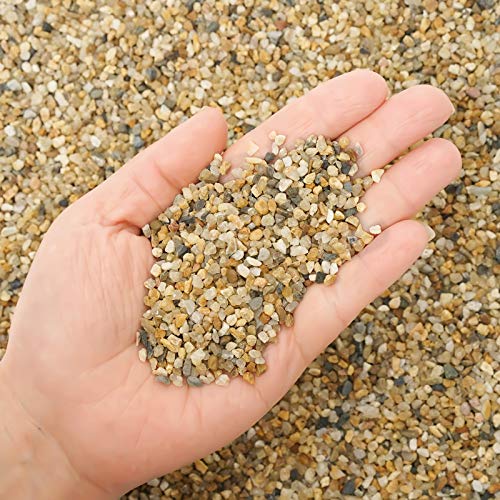
The OUPENG Coarse Sand Stone features tiny colored pebbles ranging from 1-2 mm in size, offering a visually appealing top dressing for succulents, cactus, bonsai, and terrariums. This sand is known for its natural color variations that change between dry and wet states, adding a decorative touch. Washed coarse silica sand enhances drainage and stabilizes potted plants by locking in water and nutrients in the soil.
It’s also functional in aquariums as it does not stir up debris, helping to maintain clear water. Its multi-purpose use as a soil cover, decorative filler, and plant stabilizer makes it ideal for gardeners looking to merge aesthetics with practicality.
Boniosz 1-3mm Fine Silica Sand For Gardening

Boniosz offers a fine silica sand between 1-3 mm which excels at improving drainage when mixed into compacted soil. This sand prevents root rot by allowing excess water to drain while retaining sufficient moisture and nutrients, making it ideal for succulents, cacti, and bonsai.
The product is odor-free and cleaned to maintain aquarium-quality purity, benefiting both plant cultivation and aquatic environments. Additionally, this sand’s heat resistance and fine texture make it suitable for use in fire pits, providing steady warmth during outdoor or indoor gatherings.
GARDENWISE Fine Potting Sand for Succulents and Cacti
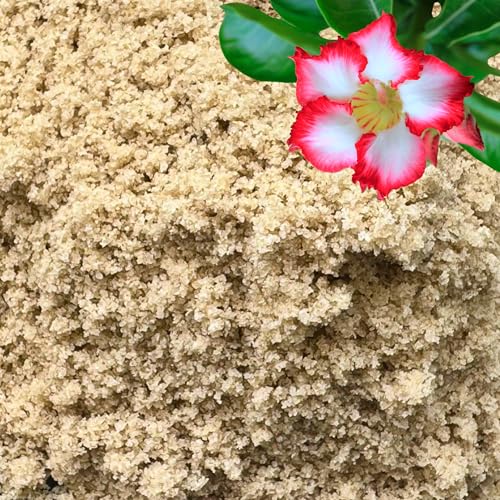
The GARDENWISE Fine Sand is designed specifically for horticultural use with succulents and indoor plants. Its fine grain texture quickly improves soil structure and stimulates stronger root growth by aerating the soil. This sand is exceptional in preventing overwatering issues that often threaten drought-adapted species like cacti.
Appearing as a natural, soft tan color, the sand also doubles as an attractive top dressing for terrariums and fairy gardens, enhancing the display aesthetics while maintaining plant health.
TOYPOPOR Coarse Silica Sand for Bonsai and Carnivorous Plants
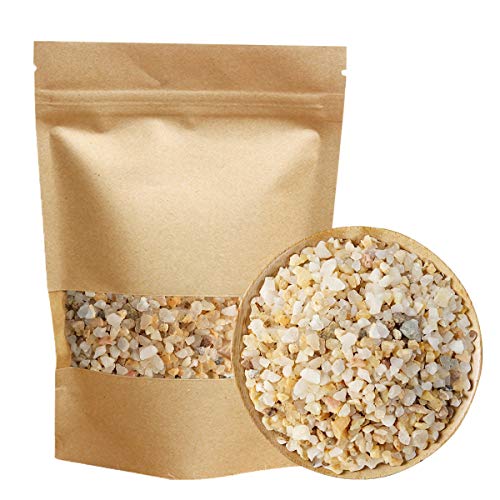
TOYPOPOR’s coarse silica sand is well-suited for bonsai, cacti, succulents, and even carnivorous plants. It supports healthy plant environments by improving soil drainage and ensuring better root aeration. Additionally, its natural gravel helps maintain aquarium water clarity without stirring aquatic debris, suitable for fresh and saltwater tanks.
This sand also serves versatile roles in garden terrariums, potted plants, and even as craft materials, merging practical horticultural benefits with decorative uses.
NUPICK Coarse Natural Sand for Succulents and Decorative Use
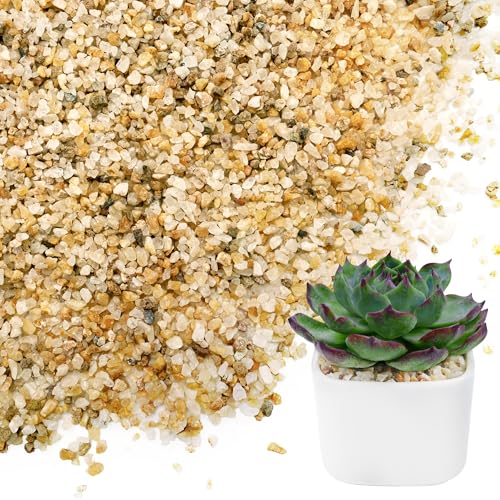
NUPICK’s coarse sand is prized for its natural, reusable quality made from durable river silica sand. Sized between 1-2 mm, this sand enhances soil aeration and moisture retention when mixed with potting soil in a 1:3 ratio. It stabilizes newly potted plants, prevents soil compaction, and aids in maintaining moisture balance around roots.
This golden-colored sand also works beautifully as a splash-proof decorative mulch on surface soil, adding a desert-inspired aesthetic to succulent and cactus planters. Its multipurpose usage suits gardeners interested in both function and visual appeal.
Buying Guide: Choosing the Best Sand for Plants
When selecting sand for your plants, several factors should be considered to ensure optimal growth and maintenance:
Grain Size and Texture
Coarse sand (1-3 mm) is preferable for succulents, cacti, and bonsai as it facilitates drainage and root aeration, reducing root rot risks. Fine sand is better suited for mixing into potting soils to enhance aeration without overwhelming delicate roots.
Drainage and Aeration Properties
Good plant sand should improve soil drainage, prevent waterlogging, and promote oxygen flow to roots. Mixed properly with potting mix, sand prevents soil compaction and supports a healthy root zone.
Natural and Chemical-Free Composition
Opt for natural silica sand without dyes or additives to avoid harming plants. Washed and sterilized sand ensures no contamination, especially critical when used in aquariums or terrariums.
Multi-Use Versatility
Some sands double as decorative top dressing for planters or terrariums, enhancing plant presentation. Others provide functional benefits beyond planting, such as aquarium use or fire pit stability. Consider your intended uses when purchasing.
Color and Aesthetic Appeal
Naturally colored sand or stones can add visual charm to indoor and outdoor plant displays. Whether it’s golden, tan, or polished natural pebbles, aesthetic considerations can elevate your gardening experience.
Quantity and Packaging
Purchase sand in quantities based on your project size. Smaller bags (a few pounds) suffice for terrarium mixes or surface dressing, while larger bags are needed for garden beds or extensive planting.
Choosing the right sand tailored to your plants’ requirements helps create a thriving growing environment that balances moisture, aeration, and beauty.