Potassium is a vital nutrient that supports various plant functions such as nutrient uptake, flowering, and fruit development. For gardeners seeking organic potassium fertilizers, numerous natural options provide efficient nutrient delivery without synthetic chemicals. Below is a summary table highlighting key organic potassium sources available on Amazon, followed by detailed reviews of the best products to enhance your gardening success.
| Product | Brand | Potassium Content | Organic Certification | Form |
|---|---|---|---|---|
| Down to Earth OMRI Organic Solution Grade Potassium Sulfate 0-0-50 | Down To Earth All Natural Fertilizers | 50% Potassium | OMRI Listed | Water Soluble Powder |
| Muriate of Potash 0-0-60 Fertilizer Made in USA | Cz Garden Supply | 60% Potassium | Not Specified | Water Soluble Powder |
| Organic Sulfate of Potash 0-0-50 Fertilizer OMRI Listed | Cz Garden Supply | 50% Potassium | OMRI Listed | Water Soluble Powder |
| Down to Earth Organic Langbeinite Fertilizer 0-0-22 | Down To Earth All Natural Fertilizers | 22% Potassium | Not Specified | Granular |
| Espoma Organic Alfalfa Meal Fertilizer 2-0-2 | Espoma | 2% Potassium | Organic | Granular Meal |
Down to Earth OMRI Organic Solution Grade Potassium Sulfate 0-0-50
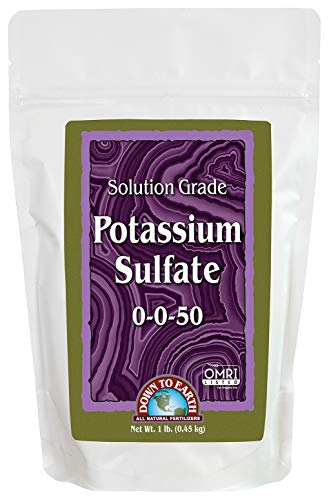
This high-performance organic potassium sulfate powder contains essential potassium (K) and sulfur (S) nutrients in a balanced ratio. It provides excellent solubility, allowing immediate nutrient uptake by plants through drip irrigation, fertigation, or foliar spray applications. The 200 mesh powder form ensures efficient delivery and optimal absorption. OMRI listing confirms its suitability for organic gardening, supporting vigorous growth and maximizing plant potential. Suitable for both indoor and outdoor crops, this sulfate form is less likely to cause chloride buildup in soil.
Muriate of Potash 0-0-60 Fertilizer Made in USA

This premium quality water soluble muriate of potash fertilizer is designed to boost potassium levels in flowers, vegetables, fruits, and garden plants. It promotes carbohydrate metabolism, protein synthesis, and amino acid formation, resulting in improved flowering and fruiting. The product comes in a resealable 5 lb pouch, easing storage and measurement. While highly concentrated, it is essential for gardeners seeking potent potassium supplementation. Although not OMRI listed, this fertilizer serves hydroponic and soil applications well.
Organic Sulfate of Potash 0-0-50 Fertilizer OMRI Listed

This sulfate of potash fertilizer by Cz Garden Supply is OMRI listed for organic certification, making it ideal for certified organic growers. The fine pH-neutral powder dissolves quickly for foliar feeding, fertigation, drip irrigation, and hydroponics. It improves crop color, taste, and even ripening by providing high-purity potassium and sulfur. This product is suitable for diverse plant types including vegetables, fruits, and flowers, boosting development without introducing chlorine.
Down to Earth Organic Langbeinite Fertilizer 0-0-22

Langbeinite is a naturally mined mineral supplement providing potassium, magnesium, and sulfur in a water-soluble sulfate form. The granular fertilizer contains 22% potassium with very low chlorine content (<3%), reducing the risk of fertilizer burn. Its neutral pH ensures soil activity is not disrupted. Ideal for gardeners seeking a multi-nutrient potassium source, langbeinite contributes to internal plant processes and healthy tissue development across all growth stages.
Espoma Organic Alfalfa Meal Fertilizer 2-0-2

This all-natural organic alfalfa meal serves as a mild potassium source alongside nitrogen, supporting growth and blooming for roses, vegetables, trees, and shrubs. It contains no fillers or additives and is safe for long-term soil enrichment. Espoma’s product can be applied directly to soil or brewed into alfalfa tea fertilizer. Though lower in potassium concentration compared to mineral sources, it benefits gardeners focused on organic soil health and nutrient cycling.
Buying Guide for Organic Potassium Sources for Plants
Selecting the best organic potassium fertilizer depends on several factors that influence plant health and gardening goals.
Potassium Concentration and Form
Potassium fertilizers come in varying concentrations and forms like sulfates, muriates, and organics such as alfalfa or kelp powder. High potassium percentages (50% or more) provide quick and potent nutrient boosts, ideal for flowering and fruiting phases. Lower-concentration organic meals support gradual nutrition and soil improvement. Water-soluble powders are excellent for rapid uptake via sprays or irrigation systems, while granular forms offer slow-release benefits.
Chloride Content and Sensitivity
Chloride-sensitive plants benefit from potassium sulfate or langbeinite fertilizers which have low chlorine content. Muriate of potash contains higher chloride levels and may not be suitable for all crops. Understanding your plant species’ tolerance can prevent nutrient burn or toxicity.
Organic Certification and Safety
Certified organic products (OMRI listed) ensure compliance with organic gardening standards, vital for growers avoiding synthetic substances. Organic options typically support soil microbiomes and long-term fertility better than synthetic alternatives.
Additional Nutrients
Some potassium sources, such as langbeinite or kelp powder, include magnesium, sulfur, and trace minerals that enhance overall plant nutrition. Choosing multi-nutrient fertilizers can reduce the need for supplemental feeding and improve plant vitality.
Application Methods
Consider your preferred fertilizer application—whether foliar spraying, soil amendment, or hydroponic solutions. Water-soluble powders suit irrigation and foliar feeding, while granular meals are best for pre-plant soil incorporation or top-dressing.
Plant Type and Growth Stage
Adjust potassium sources based on the plant species and development phase. Fruiting and flowering plants require more potassium during bloom and fruit set periods, while vegetative plants need moderate levels. Tailoring fertilizer selection to these needs maximizes efficiency.