Metal flashing can protect tree trunks and nearby structures from moisture, moss, and wind-driven damage. This guide highlights five reliable aluminum and copper flashing options plus practical considerations for choosing the right product for outdoor use around trees, sheds, and garden installations. Each option emphasizes weather resistance, easy handling, and durable performance in varied climates across America.
| Product | Brand | Size | Material |
|---|---|---|---|
| Therwen 14″ x 10′ Aluminum Flashing | Therwen | 14″ x 10′ (3 m) | Aluminum |
| Chocikick 6″ x 50′ Aluminum Flashing | Chocikick | 6″ x 50′ | Aluminum |
| Blulu 8″ x 50′ Aluminum Flashing | Blulu | 8″ x 50′ | Aluminum |
| Hicarer 4″ x 50′ Galvanized Flashing | Hicarer | 4″ x 50′ | Galvanized Steel |
| ELECTRAPICK Copper Flashing 6″ x 10′ | ELECTRAPICK | 6″ x 10′ | Copper |
Therwen 14″ Aluminum Flashing Roll

This Therwen flashing roll is a wide, lightweight aluminum strip designed for sealing windows, doors, and exterior joints around trees and structures. It measures about 14 inches wide and 10 feet long, with a thickness of approximately 0.0078 inches. The aluminum construction offers rust and corrosion resistance, making it suitable for outdoor use in diverse climates. The roll can be trimmed to size with tin snips and attached using nails, screws, or adhesive tape, enabling flexible application along trunks, bark protection areas, and garden edges.
Chocikick Aluminum Flashing Roll, 6″ x 50′

This 6″ by 50′ aluminum flashing roll provides a balance of length, flexibility, and stiffness for a variety of outdoor projects around trees and home exteriors. With a thickness of 0.3 mm, it offers reliable weather resistance and a waterproof barrier to help prevent water intrusion around joints and edges near trunks, garden beds, and siding. Made from corrosion-resistant aluminum, it remains lightweight yet durable enough for long-term outdoor use.
Blulu 8″ x 50′ Aluminum Flashing

The Blulu roll offers 8 inches of width and 50 feet of length with a thickness around 0.01 inches (0.36 mm). This generous material size supports multiple outdoor seam protections, bark protection, and water-channeling needs around trees and garden features. Durability and corrosion resistance are highlighted qualities, making this flashing suitable for moss-prone climates and projects involving wooden structures near planting beds. The roll is easy to cut to fit curved or irregular surfaces common around trees.
Hicarer 4″ x 50′ Galvanized Flashing
This galvanized steel flashing from Hicarer provides a robust, heavy-duty option for larger outdoor projects near trees and garden structures. At 4 inches wide and 50 feet long, with a thickness of 0.01 inches, it offers substantial coverage and strong resistance to wear and tear. Galvanized material provides dependable durability for long-term use in areas with heavy rainfall or wind-driven debris. It is suitable for attaching to wooden trunks or edging near tree lines and for sealing joints in garden sheds or similar installations.
ELECTRAPICK Copper Flashing, 6″ x 10′
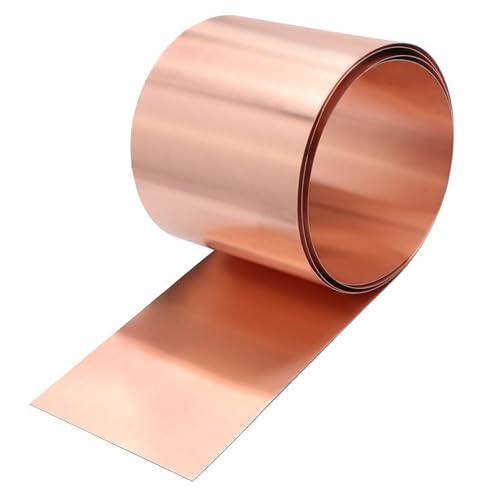
Copper flashing from ELECTRAPICK brings a flexible, bendable option for specialty applications around trees and garden features. At 6 inches by 10 feet and 0.3 mm thickness, this copper sheet offers excellent workability—drilling, cutting, and soldering are feasible for custom shapes and ornamentation along trunks or edging. Copper resists certain types of corrosion and can be integrated into aesthetic garden installations, especially where a decorative or conductive material is desired. It is less prone to expansion with temperature changes and provides a unique finish as it patinas over time.
Buying Guide
When selecting metal flashing for trees and outdoor use, consider these key factors:
- Material: Aluminum flashings are lightweight, corrosion resistant, and easy to shape, ideal for most tree-adjacent applications. Copper offers excellent workability and unique aesthetics but at a higher cost. Galvanized steel is sturdy and durable but heavier and prone to rust if coatings wear through. Choose based on climate, durability needs, and desired appearance.
- Thickness and width: Thicker flashing provides greater tear resistance in wind-prone areas, while wider rolls reduce the number of joints and potential failure points. Match thickness to project demands and ensure the width fits around the trunk or edge you’re protecting.
- Length and flexibility: Longer rolls reduce joints, but ensure you can handle and install the material safely. Flexibility helps in shaping the flashing to irregular tree trunks or curved garden borders.
- Installation method: Most flashing can be cut with tin snips and secured with nails, screws, or adhesive tape. For trees, avoid penetrating deeply into bark; use protective barriers and sealing methods that minimize damage to living tissue.
- Aesthetic and maintenance: Copper develops a patina over time, which some homeowners find appealing. Aluminum and galvanized flashing require occasional cleaning and may need resealing in moss-prone environments to maintain effectiveness.
- Weather resistance: Choose a material rated for your climate—aluminum performs well in humidity and coastal environments, while galvanized steel is strong for wind-driven debris but may corrode if coatings degrade in salty air.