Choosing the right fertilizer for potted citrus trees is crucial to promote healthy growth, lush foliage, and abundant fruit. Whether you grow lemons, limes, oranges, or other citrus varieties, using fertilizers designed specifically for citrus trees ensures they receive the optimal nutrient balance. Below is a concise summary table of top fertilizers suitable for potted citrus trees, followed by detailed product reviews and a helpful buying guide.
| Product Name | Type | NPK Ratio | Organic | Application |
|---|---|---|---|---|
| Miracle-Gro Fruit & Citrus Plant Food Spikes | Spikes | Not specified | No | Feed once per season |
| Down to Earth Organic Citrus Mix 6-3-3 | Granular | 6-3-3 | Yes | Soil application |
| Jobe’s Organics Fertilizer Spikes | Spikes | 3-5-5 | Yes | Easy spike insertion |
| Espoma Organic Citrus-Tone 5-2-6 | Granular | 5-2-6 | Yes | Soil application pre/post bloom |
| GARDENWISE Professional Citrus Fertilizer | Liquid Concentrate | 6-4-6 | Not specified | Monthly watering |
Miracle-Gro Fruit & Citrus Plant Food Spikes
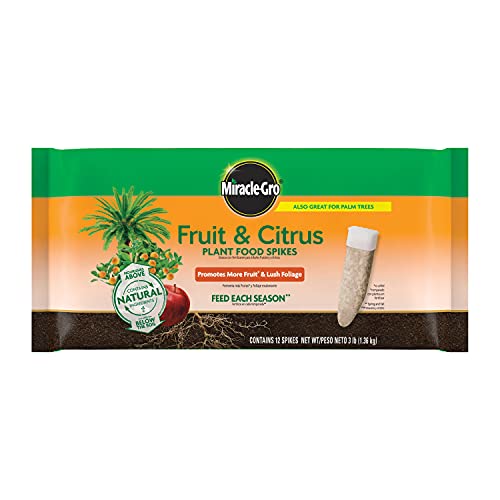
The Miracle-Gro Fruit & Citrus Plant Food Spikes deliver essential nutrients to citrus trees via easy-to-use soil spikes. Designed to promote more fruit and lush foliage compared to unfed plants, these spikes reduce mess and waste with controlled release. Containing natural ingredients, the fertilizer offers a convenient feeding schedule with only two applications per year in Spring and Fall. This slow-release formula supports steady, healthy growth and fruit production without the frequent feeding of liquid fertilizers. The no-mix, no-mess spikes are ideal for gardeners seeking a simple, low-maintenance feeding approach.
Down to Earth All Natural Organic Citrus Mix 6-3-3

This all-natural organic fertilizer by Down to Earth features a well-balanced NPK of 6-3-3 for citrus trees, supporting lush new growth, abundant foliage, fragrant blossoms, and bountiful fruit. Certified by OMRI for organic gardening, it contains primary and secondary nutrients such as calcium, sulfur, zinc, and iron, along with select micronutrients vital for vigorous citrus development. The granular formula is easy to apply around the root zone, enhancing nutrient uptake and soil health. It is an excellent choice for growers who prioritize organic practices and want to avoid synthetic chemicals while ensuring proper nutrition.
Jobe’s Organics Garden Fertilizer Spikes for Citrus

These organic fertilizer spikes by Jobe’s Organics are formulated with an NPK of 3-5-5, offering essential nutrients specifically tailored for fruit and citrus plants. The spikes help avoid runoff, mess, odors, and chemical hazards common with liquid formulas. OMRI-listed for organic gardening, these fertilizers contain no synthetic chemicals and provide a continuous release of nutrients to support high yield and vibrant foliage. Easy to insert directly into the soil, the spikes are convenient for both indoor and outdoor potted citrus trees, enhancing root absorption effectively over time.
Espoma Organic Citrus-Tone 5-2-6 Natural Fertilizer

Espoma’s Citrus-Tone fertilizer is a rich blend of natural and organic ingredients with an NPK ratio of 5-2-6, enhanced by their exclusive Bio-tone formula and 5% calcium content. It is safe for all citrus varieties, including lemons, limes, oranges, and even avocado and nut trees. The granular fertilizer is best applied late winter before bloom, spring after bloom, and fall. Users simply spread it around the tree’s drip line and water thoroughly. This environmentally friendly fertilizer contains no toxic ingredients, helping to promote vigorous growth and abundant fruit production for potted citrus trees.
GARDENWISE Professional Citrus Fertilizer Liquid Concentrate

This scientifically formulated liquid concentrate by GARDENWISE offers a balanced 6-4-6 NPK blend, designed to ignite exceptional citrus yields. It supplies critical micronutrients such as magnesium, zinc, copper, iron, and boron, which are essential for chlorophyll production, plant defense, metabolism, and flower and fruit development. Ideal for both indoor and outdoor potted citrus, just a few applications yearly provide sustained nourishment for up to two months. This all-in-one formula simplifies citrus care by reducing the need for multiple products, promoting flavorful, aromatic, and abundant fruits.
Buying Guide: Key Considerations When Choosing Fertilizer for Potted Citrus Trees
To ensure your potted citrus tree thrives, consider the following factors when selecting fertilizer:
- Nutrient Balance (NPK Ratio): Citrus trees need sufficient nitrogen for leaf growth, phosphorus for root and flower development, and potassium for overall vigor and fruit quality. Common balanced ratios are 3-5-5, 5-2-6, and 6-4-6.
- Organic vs. Synthetic: Organic fertilizers improve soil health and avoid harsh chemicals but may release nutrients more slowly. Synthetic options may act faster but require careful application.
- Form Factor: Spikes provide slow, controlled nutrient release and low mess, ideal for consistent feeding. Granular fertilizers spread evenly and improve soil nutrition, while liquid concentrates offer quick absorption and ease of application with watering.
- Micronutrients: Essential elements like calcium, magnesium, zinc, iron, copper, and boron are critical for citrus tree metabolism, disease resistance, and fruit quality. Look for fertilizers enriched with these to support all-around tree health.
- Application Frequency: Consider your schedule and plant needs. Some fertilizers require seasonal application, while others last for months or can be applied more frequently.
- Indoor vs. Outdoor Use: Ensure the fertilizer suits your growing environment as nutrient needs and soil conditions vary between pots indoors and outdoor gardens.
- Certification & Safety: For organic gardening, look for OMRI or USDA certifications, especially if you are concerned about chemical residues or environmental impact.
Choosing the right fertilizer tailored to your potted citrus trees’ needs will maximize their health, fruit production, and your gardening success.