Ensuring proper drainage in potted plants is vital to avoid waterlogged soil and root rot. Various products like clay pebbles, gravel, horticultural charcoal, and perlite can enhance drainage while improving aeration and plant growth. Below is a concise comparison table of top drainage materials for indoor and outdoor potted plants.
| Product | Material Type | Key Benefits | Suitable For |
|---|---|---|---|
| Legigo Organic Leca Clay Pebbles | Natural Clay Pebbles | Lightweight, pH neutral, excellent aeration & drainage | Indoor plants, orchids, hydroponics |
| Pulovin Drainage Rocks | Small River Pebbles | Decorative, natural-looking, versatile use | Succulents, terrariums, vases |
| Houseplant Smart Gravel | Eco-friendly Recycled Plastic Gravel | Prevents root rot, boosts aeration, sustainable | Indoor potted plants & aquariums |
| Rurtsva Natural Clay Pebbles | Expanded Clay Pebbles | pH neutral, durable, soil amendment, aeration | Orchids, succulents, hydroponics, garden plants |
| Perfect Plants Horticultural Charcoal | Plant Charcoal | Moisture drainage, soil conditioner, toxin filter | Containers, terrariums, plant beds |
Legigo Organic Leca Clay Pebbles for Plant Drainage

The Legigo 2 LB Organic Leca Clay Pebbles are natural clay balls sized 4-16mm, ideal for small to medium pots. Made by baking clay at high temperatures, these balls are durable, odorless, and pH neutral, which helps balance soil acidity. The lightweight and porous structure provides excellent drainage and aeration, preventing root saturation and improving oxygen flow. The resealable pouch keeps them clean and dry for long-term use. These Leca balls are suitable for orchids, hydroponic systems, terrariums, and general indoor gardening, promoting healthier and faster plant growth.
Pulovin Small Pebbles for Drainage and Decoration

Pulovin Drainage Rocks are 2.5 lbs of small-sized pebbles (about 1/5 inch) versatile for drainage and decorative uses. They add natural beauty to succulent pots, bamboo arrangements, terrariums, and vases while improving water flow at the base of pots. Washing the rocks before use ensures clean surfaces. These stones serve both an aesthetic and functional purpose by enhancing drainage and preventing soil compaction, which is crucial for indoor plants like succulents and cacti.
Houseplant Smart Gravel From Recycled Ocean Plastics

The Houseplant Smart Gravel offers an eco-friendly drainage solution made sustainably from recycled ocean plastics. This 32 oz pack provides a porous gravel layer under soil to prevent waterlogging. Its structure allows better air pockets around roots, boosting oxygenation and preventing overwatering risks. Recommended for a wide variety of potted plants such as succulents, cacti, bonsai, and orchids, this gravel is perfect for enhancing soil health in indoor and outdoor containers while promoting sustainable gardening practices.
Rurtsva Natural Clay Pebbles for Hydroponics and Gardening
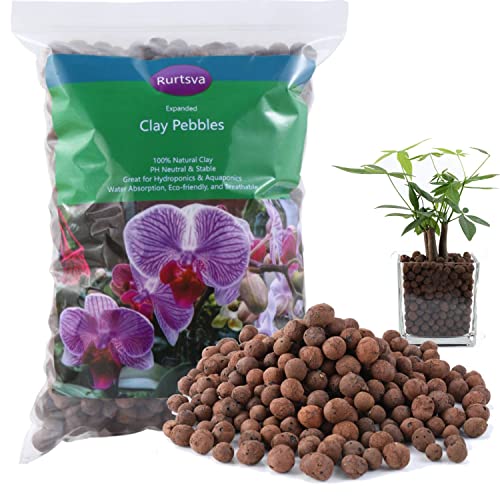
Rurtsva 5LB Expanded Leca Balls are lightweight, inert clay pebbles sized 8-18mm and designed for superior aeration and drainage. Their porous nature prevents root rot and excessive soil acidity, making them ideal for delicate root systems such as orchids. These pebbles can be reused across planting cycles, improving soil aeration and preventing compaction for garden plants, succulents, and hydroponic setups. One pack can fill many small to medium pots, providing reliable drainage without the risk of root drowning.
Perfect Plants Horticultural Charcoal – Natural Drainage Aid
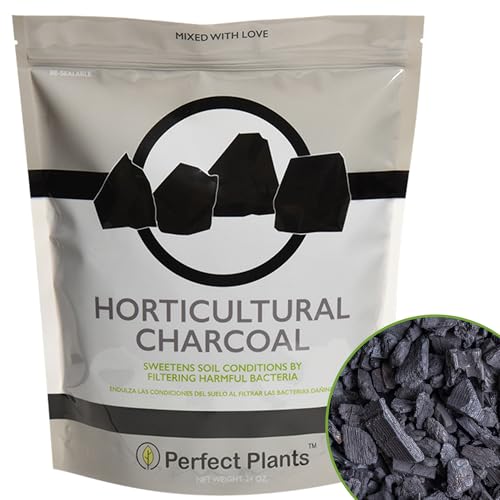
Perfect Plants Horticultural Charcoal plays an important role in drainage and soil conditioning by absorbing excess moisture and toxins. Its porous nature helps drain water effectively, preventing soggy soil conditions. Additionally, charcoal filters harmful bacteria and neutralizes odor in containers or terrariums, creating a cleaner growing environment. This natural product supports healthier root development and better soil health in potted plants and enclosed gardening systems.
Buying Guide: What To Consider When Choosing Drainage For Potted Plants
When selecting drainage materials for potted plants, consider the following key factors to optimize plant health and soil conditions:
Material Type and Benefits
- Clay Pebbles (Leca): Lightweight, reusable, and pH neutral; promote excellent aeration and moisture regulation.
- Natural Pebbles and Gravel: Great for decoration and drainage; inert but heavier than clay balls.
- Horticultural Charcoal: Absorbs toxins and excess moisture, enhancing soil freshness and drainage.
- Perlite: Volcanic glass that is lightweight, improves drainage, and prevents soil compaction.
- Eco-Friendly Alternatives: Gravel made from recycled plastics offer sustainability along with functionality.
Pot Size and Plant Type
The size of drainage particles should suit the pot size and plant root system. For small pots, finer materials like smaller clay balls or perlite prevent excessive soil loss, while larger pebbles suit bigger containers. Root-sensitive plants like orchids benefit from oxygen-rich drainage media like clay pebbles.
Drainage vs. Aeration Balance
Proper drainage avoids waterlogged soil but also maintaining good aeration is essential for oxygen reaching roots. Porous materials with air spaces improve root respiration and plant vitality.
Reusability and Maintenance
Materials such as expanded clay pebbles and gravel can often be cleaned and reused, offering long-term value. Check whether materials come in resealable packaging to keep them clean between uses.
Environmental Impact
Choose eco-friendly or natural materials if sustainability is a priority. Products made from recycled ocean plastics or natural charcoal diminish environmental footprint.
Additional Functional Benefits
Some drainage products may help with controlling soil pH, filtering harmful bacteria, or improving soil nutrient retention. Assess if these benefits align with your plant care regimen.