Bringing the wild allure of carnivorous plants into your home adds a unique touch of nature. From the captivating Venus Flytrap to exotic pitcher plants, indoor carnivorous plants are fascinating and functional. This guide summarizes top live plants and essential care products like soil and fertilizers designed to promote healthy growth in these specialized plants.
| Product | Brand | Purpose |
|---|---|---|
| BubbleBlooms Carnivorous Plant Assortment Set | BubbleBlooms | Live assorted carnivorous plants in 2″ pots |
| Perfect Plants Carnivorous Plant Soil | PERFECT PLANTS | Organic premium soil mix for carnivorous species |
| 4oz Carnivorous Plant Food by HiThrive | HiThrive | Liquid fertilizer and feeding supplement |
| Carnivorous Cape Sundew (Drosera Capensis) Plant | JoelsCarnivorousPlants | Single live Drosera plant in 3″ pot |
| Pitcher Plant Live – Nepenthes Alata | NY City Succulents | Live Nepenthes Alata pitcher plant for indoors |
BubbleBlooms Carnivorous Plant Assortment Set

This 5-plant set by BubbleBlooms provides a diverse range of carnivorous species including Nepenthes, Sarracenia, Dionaea, and Drosera, all housed in compact 2-inch pots ideal for indoor spaces. Designed for easy care, the set includes eco-friendly, cold-safe packaging ensuring the plants arrive healthy. Care instructions recommend using only rain or distilled water and avoiding direct sunlight to maintain plant vitality. This variety is perfect for beginners looking to experience multiple carnivorous species.
Perfect Plants Carnivorous Plant Soil – 4 Qts.
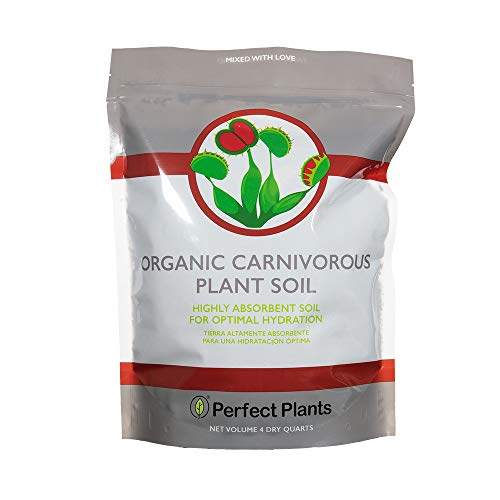
Specifically formulated for carnivorous plants, this organic premium soil mix provides an ideal acidity level and excellent moisture management. Perfect Plants professionally mixes this enriched blend in the USA to support long-term growth of Venus Flytraps, Pitcher Plants, Sundews, and more. Its water retention capacity keeps plants hydrated while preventing oversaturation, crucial for maintaining the delicate balance carnivorous plants require.
HiThrive Carnivorous Plant Food & Venus Fly Trap Food

This liquid fertilizer is tailored to boost carnivorous plant health by providing essential macronutrients such as nitrogen and soluble potash. It works as a soil conditioner to improve water and nutrient absorption in typically nutrient-poor, water-repellent soils where carnivorous plants thrive. HiThrive’s supplement is effective for promoting lush growth and stronger roots, making it a beneficial addition to your carnivorous plant care routine.
Carnivorous Cape Sundew (Drosera Capensis) Plant

The Cape Sundew is one of the easiest carnivorous plants to maintain indoors. This live plant comes in a 3-inch net pot, ready for immediate placement in your indoor garden. Included care instructions emphasize proper watering and lighting conditions to encourage healthy, sticky dew production used for trapping insects. It’s an excellent choice for enthusiasts seeking a low-maintenance yet visually striking carnivorous plant.
Pitcher Plant Live – Nepenthes Alata

The Nepenthes Alata is a rare and exotic pitcher plant that adds a dramatic touch to any indoor environment. This live plant arrives pre-potted in soil, ready for immediate enjoyment. Its striking pitchers not only act as natural insect traps but also serve as a compliment to your home or office decor. Known for easy indoor growth and air purifying benefits, it makes a unique gift option for plant lovers.
Buying Guide for Indoor Carnivorous Plants
Species Selection
Choosing the right carnivorous plant depends on your indoor environment and maintenance commitment. Popular species include Venus Flytraps (Dionaea) for their classic snap traps, Pitcher Plants (Nepenthes, Sarracenia) for their unique pitcher structures, and Sundews (Drosera) with sticky tentacles. Evaluate the space, light availability, and humidity before selecting your plant.
Soil and Potting Mix
Carnivorous plants thrive in low-nutrient, acidic soils that mimic their natural bog habitats. Avoid regular potting soil. Instead, opt for a specialized mix containing sphagnum peat moss and perlite, which retains moisture but remains well-draining. Products like Perfect Plants Soil or premium peat-perlite blends ensure optimal root health and moisture levels.
Water Requirements
Use only distilled water, rainwater, or reverse osmosis water to prevent mineral buildup detrimental to carnivorous plants. Tap water often contains minerals harmful to sensitive plants. Keep the soil consistently moist but avoid waterlogging by using pots with drainage.
Light Conditions
Bright, indirect sunlight is ideal. Direct sunlight can scorch delicate leaves, while too little light impedes growth and the plant’s insect-catching ability. Supplement with fluorescent or LED grow lights if natural light is insufficient.
Feeding and Fertilization
Carnivorous plants naturally catch insects, which provide essential nutrients. Supplemental feeding with specialized fertilizers designed for carnivorous plants can enhance growth, especially indoors where insect availability is limited. Liquid fertilizers with macronutrients and micronutrients support vitality, but always use recommended doses to avoid root damage.
Humidity and Temperature
Most indoor carnivorous species prefer moderate to high humidity. Regular misting or a humidity tray can help maintain a favorable microclimate. Maintain temperatures consistent with the species’ native environment, avoiding drafts and extreme fluctuations.
Pot Selection and Care
Choose non-metal, plastic, or glazed ceramic pots to prevent mineral leaching. Ensure pots have good drainage to prevent root rot. Repotting every 1-2 years helps refresh soil and manage growth.